

PPBS Test Normal Range: Understanding Your Post-Meal Sugar Levels
Know about the PPBS test, what it is, diagnosis, causes, results, interpretation of the results and factors that influence PPBS.

Written by Dr. M L Ezhilarasan
Reviewed by Dr. Dhankecha Mayank Dineshbhai MBBS
Last updated on 21st Oct, 2025
Introduction
Have you ever wondered what happens to your blood sugar after you enjoy a meal? While fasting blood sugar tests get a lot of attention, the Postprandial Blood Sugar (PPBS) test provides a crucial snapshot of your body's ability to manage glucose after eating. This 2-hour post-meal test is a cornerstone in the diagnosis and management of diabetes, revealing how effectively your insulin is working. Understanding the PPBS test normal range is key to identifying potential metabolic issues early on. This article will serve as your comprehensive guide, breaking down everything from the test's purpose and preparation to interpreting your results. We’ll explore what normal, high, and low values mean, the factors that can influence your reading, and the actionable steps you can take based on your results.
What is a PPBS Test?
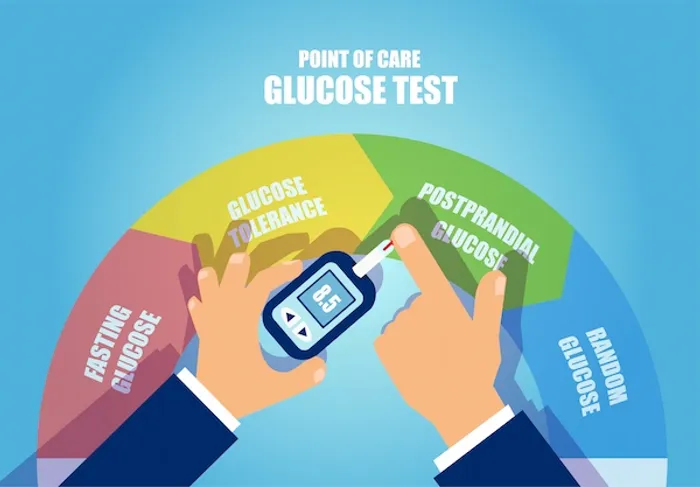
A Postprandial Blood Sugar (PPBS) test is a simple blood test that measures the level of glucose in your bloodstream exactly two hours after you start eating a meal. The term "postprandial" literally means "after a meal." This test is designed to assess your body’s efficiency in processing the carbohydrates from your food and bringing your blood sugar levels back down to a baseline.
After you eat, your digestive system breaks down carbohydrates into glucose, which enters your bloodstream. In response, your pancreas releases insulin, a hormone that acts like a key, allowing glucose to enter your body's cells to be used for energy. A PPBS test evaluates how well this entire system is functioning. If the process is working correctly, your blood sugar will rise moderately after eating and return to a near-normal level within two hours.
Consult a Top Diabetologist for Personalised Advice
PPBS vs. FBS vs. HbA1c: What’s the Difference?
It's easy to confuse common diabetes tests, but they measure different things:
- FBS (Fasting Blood Sugar): Measures blood glucose after an 8-12 hour fast. It provides a baseline reading of your sugar levels.
- PPBS (Postprandial Blood Sugar): Measures blood glucose 2 hours after a meal. It checks your body's immediate response to food.
- HbA1c (Glycated Haemoglobin): Measures your average blood glucose levels over the past 2-3 months. It provides a long-term view of your glycemic control.
Think of it this way: FBS is your resting heart rate, PPBS is your heart rate during exercise, and HbA1c is your average heart rate over the last three months. All are critical for a complete picture.
Why is the PPBS Test Done? Key Purposes
The PPBS test is not just a routine check; it serves several vital purposes in modern healthcare, particularly in the field of endocrinology and diabetes care.
Diagnosing Diabetes and Prediabetes
While FBS is often the first step in screening, the PPBS test is a critical follow-up, especially if fasting results are borderline. It helps confirm a diagnosis of diabetes mellitus or identify prediabetes, a condition where blood sugar levels are higher than normal but not yet high enough to be classified as diabetes. Early detection of prediabetes is crucial as it allows for lifestyle interventions that can prevent or delay the onset of type 2 diabetes.

Monitoring Diabetes Treatment
For individuals already diagnosed with diabetes, the PPBS test is an indispensable tool. It helps doctors evaluate how well a treatment plan—which may include diet, exercise, oral medications, or insulin therapy—is working. By checking the blood sugar after eating, your doctor can determine if your current medication dosage is effective in controlling the post-meal spike or if adjustments are needed. It provides immediate feedback on the impact of specific meals on your glucose levels.
Preparing for Your PPBS Test
Proper preparation is essential to ensure your PPBS test results are accurate and reliable. Incorrect preparation can lead to misleading values, potentially causing misdiagnosis or unnecessary worry.
The Standard Meal Challenge
The standard protocol involves eating a meal containing at least 75-100 grams of carbohydrates. This is not a day to skip the roti, rice, or bread. A typical meal might include two chapatis, a bowl of rice, and a vegetable curry. It's important to finish the entire meal within 20 minutes and note the exact time you start eating, as the two-hour countdown begins then. You should not eat anything else during these two hours, though drinking water is allowed and encouraged.
Medications and Other Precautions
It is absolutely vital to inform your doctor about all the medications and supplements you are taking. They will advise you on whether to take your diabetes medication or insulin before the test, as this can significantly alter the results. The goal is to see your body's natural response to food. You should also avoid smoking, strenuous exercise, and consuming coffee or alcohol during the fasting period and the two-hour wait, as these can all affect blood sugar levels.
Understanding Your PPBS Test Results: The Normal Range
Interpreting your PPBS test report is straightforward when you understand the reference values. These ranges are based on guidelines from authoritative bodies like the American Diabetes Association (ADA).
PPBS Normal Range Chart for Adults
Note: Slight variations in reference ranges may occur between different laboratories.
What Does a High PPBS Level Mean?
A high PPBS value indicates that your body is not effectively managing the glucose surge after a meal. This is a classic sign of insulin-related dysfunction.
Potential Causes of Elevated Postprandial Glucose
- Diabetes Mellitus: The most common cause, where the body either doesn't produce enough insulin (Type 1) or doesn't use it effectively (Type 2).
- Prediabetes: A warning sign that you are at high risk of developing diabetes.
- Gestational Diabetes: Diabetes that develops during pregnancy.
- Pancreatic Disorders: Conditions like pancreatitis or pancreatic cancer that impair insulin production.
- Certain Medications: Such as steroids, diuretics, or some psychiatric drugs.
- Stress and Illness: Physical stress from an infection or surgery can cause temporary spikes.
What Does a Low PPBS Level Mean?
A low PPBS value (hypoglycemia) is less common but equally important. It means your blood sugar dropped too low within two hours of eating.
Understanding Hypoglycemia After Eating
- Reactive Hypoglycemia: A condition where the body releases too much insulin after a carbohydrate-heavy meal, causing a sharp drop.
- Diabetes Medication: Taking too much insulin or diabetes medication without matching carbohydrate intake.
- Other Hormonal Deficiencies: Issues with the adrenal or pituitary glands.
Factors That Can Affect Your PPBS Test Results
- Several factors beyond medical conditions can influence your PPBS reading. Being aware of these can help you and your doctor interpret the results correctly:
- Type of Food Consumed: A meal high in simple sugars and refined carbs will cause a higher spike than one high in fibre, protein, and complex carbs.
- Portion Size: Overeating will naturally lead to a higher glucose load.
- Physical Activity: Light activity after a meal can help lower postprandial glucose, while being completely sedentary may result in a higher reading.
- Stress Levels: Emotional stress triggers the release of hormones like cortisol, which can raise blood sugar.
- Underlying Illness: Even a common cold can temporarily elevate blood sugar levels.
What to Do If Your PPBS is High or Low
Getting an abnormal result can be concerning, but it's a call to action, not a reason to panic.
Next Steps and When to See a Doctor
If your PPBS test result falls in the prediabetes or diabetes range, it is essential to consult a doctor. Do not self-diagnose or self-treat. A doctor will likely order additional tests, such as an FBS, HbA1c, or an Oral Glucose Tolerance Test (OGTT), to confirm the diagnosis.
If your PPBS is high, your doctor will work with you to create a management plan. This often includes:
- Dietary modifications (portion control, choosing low-glycemic foods).
- A regular exercise regimen.
- Weight management.
- Medications or insulin therapy, if necessary.
For a low PPBS, the doctor will investigate the cause. If it's related to diabetes medication, they will adjust the dosage. For reactive hypoglycemia, dietary changes like eating smaller, more frequent meals with a balance of protein, fat, and complex carbs are often recommended.
If your condition does not improve after trying these methods, book a physical visit to a doctor with Apollo24|7 for a comprehensive evaluation and personalised care plan.
Conclusion
In conclusion, the Postprandial Blood Sugar (PPBS) test is an invaluable tool, providing a dynamic look at your body's glucose management system in action. By measuring blood sugar two hours after a meal, it offers crucial insight often missed by fasting tests, effectively diagnosing prediabetes and diabetes and guiding treatment adjustments. Understanding the normal range (below ) empowers you to interpret your health status. Whether your result is normal, high, or low, this test provides the essential data needed for timely lifestyle modifications or medical intervention, ensuring proactive steps are taken toward long-term metabolic health.
Consult a Top Diabetologist for Personalised Advice
Consult a Top Diabetologist for Personalised Advice


Dr. Lakshmi Sanjitha Kakani
General Physician/ Internal Medicine Specialist
6 Years • MBBS, MD (General Medicine)
Visakhapatnam
Apollo 24|7 Clinic - Andhra Pradesh, Visakhapatnam

Dr. Suraja Nutulapati
General Physician/ Internal Medicine Specialist
10 Years • MBBS, MD (Internal Medicine)
Hyderabad
Apollo 24|7 Clinic, Hyderabad

(1025+ Patients)

Dr. Usha Gaddam
General Physician/ Internal Medicine Specialist
9 Years • MBBS, DNB (Internal Medicine), For Physical consult(6302986818)
Hyderabad
DR. USHA GADDAMS CLINIC, Hyderabad

Dr. Nilotpal Mitra
General Practitioner
21 Years • MBBS, PGDGM ( Geriatric Medicine), ACMDC (an Advance course in Diabetes and cardiovascular diseases from PHFI and WHF )
Kolkata
MCR SUPER SPECIALITY POLY CLINIC & PATHOLOGY, Kolkata
(50+ Patients)

Dr. M S Haque
Diabetologist
40 Years • BUMS, Unani , Sexologist, Ayurvedic Medicine
Kolkata
MS Haque Clinic, Kolkata
Consult a Top Diabetologist for Personalised Advice
Dr. Lakshmi Sanjitha Kakani
General Physician/ Internal Medicine Specialist
6 Years • MBBS, MD (General Medicine)
Visakhapatnam
Apollo 24|7 Clinic - Andhra Pradesh, Visakhapatnam
Dr. Suraja Nutulapati
General Physician/ Internal Medicine Specialist
10 Years • MBBS, MD (Internal Medicine)
Hyderabad
Apollo 24|7 Clinic, Hyderabad
(1025+ Patients)
Dr. Usha Gaddam
General Physician/ Internal Medicine Specialist
9 Years • MBBS, DNB (Internal Medicine), For Physical consult(6302986818)
Hyderabad
DR. USHA GADDAMS CLINIC, Hyderabad
Dr. Nilotpal Mitra
General Practitioner
21 Years • MBBS, PGDGM ( Geriatric Medicine), ACMDC (an Advance course in Diabetes and cardiovascular diseases from PHFI and WHF )
Kolkata
MCR SUPER SPECIALITY POLY CLINIC & PATHOLOGY, Kolkata
(50+ Patients)
Dr. M S Haque
Diabetologist
40 Years • BUMS, Unani , Sexologist, Ayurvedic Medicine
Kolkata
MS Haque Clinic, Kolkata

.webp)

Frequently Asked Questions
Is fasting required before a PPBS test?
Yes, you are required to fast for 8-12 hours before the test. You then eat a meal to start the test process.
What is a good PPBS level for a non-diabetic person?
For a non-diabetic individual, a good PPBS level is typically below 140 mg/dL (7.8 mmol/L) two hours after eating.
Can I drink water before a PPBS test?
Yes, you can and should drink plain water during the fasting period and the two-hour wait. Avoid any sugary drinks, coffee, or tea.
How can I lower my high PPBS level naturally?
Focus on a diet rich in fiber (vegetables, whole grains), lean protein, and healthy fats. Engage in regular physical activity, especially a short walk after meals, and maintain a healthy weight. Always consult a doctor before making significant changes.
How often should I get a PPBS test done?
If you have diabetes, your doctor may recommend testing your PPBS levels several times a week or as advised. For screening purposes, if you have risk factors for diabetes (like obesity or family history), an annual check-up that includes PPBS is recommended. Apollo24|7 offers convenient home collection for tests like PPBS or HbA1c, making regular monitoring easier.