

ECG Procedure and Its Importance
Discover the ECG procedure, its purpose, and importance in assessing heart health. Learn how an electrocardiogram helps detect heart conditions and guides treatment.

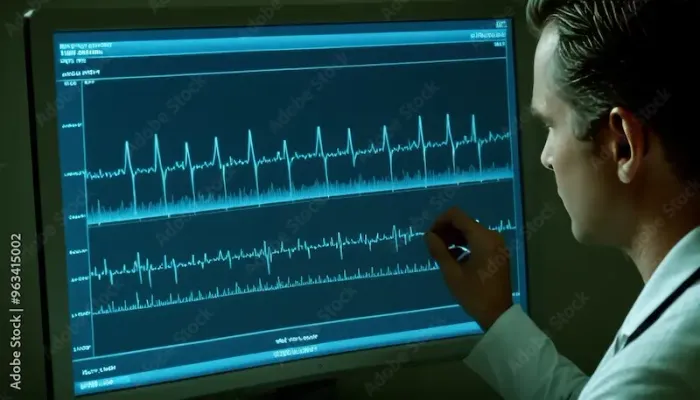
An Electrocardiogram (ECG or EKG) is a simple, painless test that records the electrical activity of your heart. It helps doctors check your heart’s rhythm, detect irregularities, and diagnose potential heart conditions. If you’ve been advised to get an ECG or are curious about how it works, this guide will explain everything in simple terms.
What is an ECG?
An ECG is a quick and non-invasive test that measures the electrical signals produced by your heart with each heartbeat. These signals are recorded on graph paper or a digital screen, showing the heart’s rhythm and any abnormalities.
Consult a Top Specialist
Why is an ECG Important?
An ECG helps doctors:
• Detect irregular heartbeats (arrhythmias).
• Identify signs of a past or current heart attack.
• Check for heart disease or enlarged heart chambers.
• Monitor the effectiveness of heart medications or pacemakers.
• Assess heart health before surgery or intense physical activity.
Since heart problems can sometimes be silent, an ECG is a valuable tool for early detection and prevention.
How is an ECG Performed?
The procedure is simple, painless, and takes only about 5-10 minutes. Here’s what happens:
1. Preparation:
• You may be asked to lie down on an examination table.
• Small sticky patches (electrodes) are placed on your chest, arms, and legs.
• The skin may be cleaned or shaved slightly to ensure good contact.
2. Recording the Heart’s Activity:
• The electrodes are connected to an ECG machine.
• You’ll need to stay still and breathe normally while the machine records your heart’s signals.
• No electricity is sent into your body, it only records natural electrical impulses.
3. After the Test:
• The electrodes are removed, and you can resume normal activities immediately.
• A doctor will analyze the results and discuss them with you.
Types of ECG Tests
Below are different types of ECG tests,
1. Resting ECG – Done while lying still (most common type).
2. Stress ECG (Exercise ECG) – Conducted while walking on a treadmill to monitor heart activity under physical stress.
3. Holter Monitor – A portable ECG device worn for 24-48 hours to track heart rhythms during daily activities.
4. Event Monitor – Used for longer periods (weeks or months) to record irregular heartbeats when symptoms occur.

When Should You Get an ECG?
Your doctor may recommend an ECG if you experience:
• Chest pain or discomfort
• Shortness of breath
• Dizziness or fainting
• Rapid or irregular heartbeat
• Fatigue with minimal exertion
• A history of heart disease or risk factors (high blood pressure, diabetes, smoking)
Even if you don’t have symptoms, an ECG may be advised as part of a routine check-up, especially if you’re over 40 or have a family history of heart disease.
Does an ECG Have Any Risks?
An ECG is completely safe and it does not involve radiation, needles, or any discomfort. The only possible issue is mild skin irritation from the electrode stickers, which is rare.
How to Prepare for an ECG
Below are the steps to prepare for an ECG,
• Wear comfortable, loose-fitting clothing.
• Avoid oily or greasy skin lotions before the test.
• Inform your doctor about any medications you take.
• Stay relaxed, anxiety can sometimes affect heart rate.
What Do ECG Results Mean?
Your doctor will interpret the ECG report, looking for:
• Normal rhythm (Sinus rhythm) – Healthy heart function.
• Abnormal rhythms (Arrhythmias) – Fast, slow, or irregular heartbeats.
• Signs of a heart attack – Changes in electrical patterns indicating damage.
• Enlarged heart or electrolyte imbalances – Unusual wave shapes.
If abnormalities are found, further tests like an echocardiogram, stress test, or blood work may be needed.
Tips for a Healthy Heart
While an ECG helps detect problems, maintaining heart health is key:
• Eat a balanced diet – Include fruits, vegetables, whole grains, and lean proteins.
• Exercise regularly – Aim for 30 minutes of moderate activity most days.
• Manage stress – Practice deep breathing, yoga, or meditation.
• Avoid smoking & limit alcohol – Both can harm heart function.
• Monitor blood pressure & cholesterol – Keep them in check.
When to See a Doctor
If you experience:
• Persistent chest pain
• Sudden shortness of breath
• Severe dizziness or fainting
• Irregular or racing heartbeat
Seek medical help immediately, these could be signs of a serious heart condition.
Book an ECG Test with Apollo 24|7
Early detection saves lives! If you need an ECG or a heart check-up, Apollo 24|7 offers quick, reliable, and at-home ECG services. You can:
• Call for an appointment
• Book online via the Apollo 24|7 app
• Opt for home sample collection for convenience
Don’t ignore your heart health, schedule your ECG today and stay proactive about your well-being!
Final Thoughts
An ECG is a simple yet powerful tool to monitor your heart’s health. Whether you have symptoms or just want a routine check, this test provides crucial insights into your cardiovascular well-being. By staying informed and taking preventive steps, you can keep your heart strong and healthy for years to come.
Consult a Top Specialist
Consult a Top Specialist


Dr D M Karthik
General Practitioner
4 Years • MBBS, Fellowship in Diabetes Mellitus, Advance certificate in Diabetes Mellitus, Derma Nutrition Certification
Visakhapatnam
Apollo 24|7 Clinic - Andhra Pradesh, Visakhapatnam

Dr. Mohammed Kamran
General Practitioner
5 Years • MBBS, FIDM
Nashik
Apollo 24|7 Clinic - Maharashtra, Nashik

Dr. Suraja Nutulapati
General Physician/ Internal Medicine Specialist
10 Years • MBBS, MD (Internal Medicine)
Hyderabad
Apollo 24|7 Clinic, Hyderabad

(1025+ Patients)

Dr. Chaithra H
General Physician/ Internal Medicine Specialist
6 Years • MBBS, MD General Medicine, DNB General Medicine
Bangalore
Apollo 24|7 Clinic - Karnataka, Bangalore

Dr. Jawwad Mohammed Kaleem
General Practitioner
4 Years • MBBS
Hyderabad
Apollo 24|7 Clinic, Hyderabad
Consult a Top Specialist
Dr D M Karthik
General Practitioner
4 Years • MBBS, Fellowship in Diabetes Mellitus, Advance certificate in Diabetes Mellitus, Derma Nutrition Certification
Visakhapatnam
Apollo 24|7 Clinic - Andhra Pradesh, Visakhapatnam
Dr. Mohammed Kamran
General Practitioner
5 Years • MBBS, FIDM
Nashik
Apollo 24|7 Clinic - Maharashtra, Nashik
Dr. Suraja Nutulapati
General Physician/ Internal Medicine Specialist
10 Years • MBBS, MD (Internal Medicine)
Hyderabad
Apollo 24|7 Clinic, Hyderabad
(1025+ Patients)
Dr. Chaithra H
General Physician/ Internal Medicine Specialist
6 Years • MBBS, MD General Medicine, DNB General Medicine
Bangalore
Apollo 24|7 Clinic - Karnataka, Bangalore
Dr. Jawwad Mohammed Kaleem
General Practitioner
4 Years • MBBS
Hyderabad
Apollo 24|7 Clinic, Hyderabad



.webp)