

Your Guide to Foetal Echocardiography: Checking Your Baby's Heart Health
Foetal echocardiography is a safe, detailed ultrasound to assess your baby’s heart health during pregnancy. Learn why it’s done, what to expect, and how it helps detect heart issues early.

Written by Dr. M L Ezhilarasan
Reviewed by Dr. Rohinipriyanka Pondugula MBBS
Last updated on 18th Sep, 2025
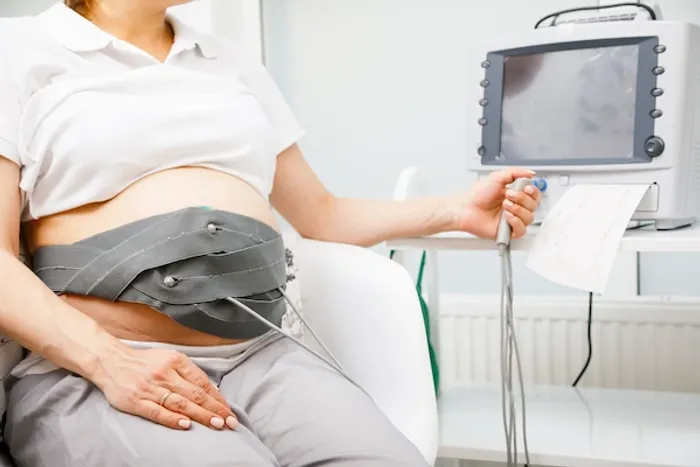
Expecting a baby is a journey filled with joy and, understandably, a few worries. You want to ensure everything is perfect. While standard ultrasounds check on your baby’s growth and development, sometimes a closer look is needed, especially at the intricate structure of the heart. This is where foetal echocardiography comes in. Think of it as a detailed, specialized ultrasound that gives doctors a clear window into your unborn baby’s heart, allowing them to assess its formation and function long before birth. This guide will walk you through everything you need to know about this important scan—why it's recommended, what to expect, and how it empowers you and your healthcare team for a healthy future.
What is a Foetal Echocardiogram?
A foetal echocardiogram (often shortened to "foetal echo") is a non-invasive, painless ultrasound test performed during pregnancy. It uses high-frequency sound waves to create detailed moving pictures of your baby’s heart. Unlike a standard prenatal ultrasound that provides a general overview of the baby's anatomy, a foetal echo zooms in specifically on the heart's structure, function, and rhythm.
The probe (transducer) emits sound waves that bounce off the baby's heart. A computer translates these echoes into real-time images on a screen. This allows a specialist to see the four chambers of the heart, the valves, and the major blood vessels entering and leaving the heart. They can also analyze the blood flow through the heart using a special technique called Doppler ultrasound, checking for any blockages or leaks.
How is it Different from a Standard Ultrasound?
Your 20-week anatomy scan is a crucial general check-up. The sonographer will look at the heart and confirm its presence and basic four-chamber view. A foetal echocardiogram is a targeted, level-II scan. It's performed by a specially trained sonographer and interpreted by a pediatric cardiologist or maternal-foetal medicine specialist. It delves much deeper, examining the heart's complex plumbing and electrical systems in a way a standard scan cannot. It's not for everyone, but a vital tool for those who need it.
Why Would You Need a Foetal Echo?
This scan isn't a routine part of every pregnancy. It's typically recommended when there’s a reason to believe the baby might have a higher chance of a congenital heart defect (CHD). CHDs are the most common type of birth defect, and early detection can make a significant difference.
Common Risk Factors for Heart Conditions
Your doctor might suggest a foetal echo if:
- Family History: You, the baby’s father, or a previous child has a congenital heart defect.
- Maternal Health Conditions: You have diabetes, lupus, or a metabolic disorder like PKU.
- Medications: You have taken certain medications known to cause heart defects (e.g., some anti-seizure or acne drugs).
- Infections: You had an infection like rubella or cytomegalovirus (CMV) during pregnancy.
- Genetic Abnormalities: A prenatal test (like NIPT or amniocentesis) indicated a genetic condition (e.g., Down syndrome) associated with heart defects.
- Abnormal Routine Ultrasound: The obstetrician spotted a potential issue with the heart or noticed an abnormal heart rhythm.
- IVF Pregnancy: Pregnancies conceived via in vitro fertilisation have a slightly elevated risk.
What If My Pregnancy is Low-Risk?
Even with no risk factors, a routine ultrasound may pick up a potential concern. Don't panic. A foetal echo is the logical next step to get a definitive answer. Often, it provides reassuring news that the heart is perfectly normal. If your obstetrician has any concerns after a standard scan, consulting a specialist for a foetal echocardiogram is the best course of action.
Preparing for Your Foetal Echocardiogram Appointment
The good news is that preparation is minimal. You don’t need a full bladder for this scan, unlike some earlier ultrasounds.
What to Wear and What to Bring
Wear comfortable, loose-fitting clothing that allows easy access to your abdomen. You might be asked to change into a hospital gown. Remember to bring your pregnancy health records and any prior ultrasound reports. It’s also a great idea to have your partner or a support person accompany you.
Questions to Ask Your Doctor
Being informed helps reduce anxiety. Consider asking:
- "Who will perform and interpret the scan?"
- "Will you explain what you're seeing during the procedure?"
- "When and how will I receive the results?"
- "What are the next steps if everything is normal? What if it's not?"
Consult Top Specialists
What Happens During the Scan?
The procedure itself is very similar to a standard ultrasound and typically takes 30 minutes to 2 hours, depending on the baby's position and the complexity of the views needed.
1. You'll lie on an examination bed and expose your belly.
2. The sonographer will apply a warm, water-based gel to your skin to improve contact.
3. They will then move the transducer probe over your abdomen, applying gentle pressure to capture images from different angles.
4. You’ll hear swishing sounds—this is the Doppler technology measuring blood flow.
5. You can watch the screen along with the sonographer; however, remember they need to concentrate on taking precise measurements.
The Role of the Sonographer
The sonographer is a highly trained professional who captures the images but does not diagnose. They will take countless images and videos for the doctor to review. They might not be able to answer all your questions on the spot, as the final interpretation rests with the cardiologist.
What You'll See on the Screen
The images can look complex to an untrained eye. The sonographer or doctor may point out the beating heart, the four chambers (two atria and two ventricles), and the major arteries. Don’t hesitate to ask them to label what you are seeing—it can be a fascinating and reassuring experience.
Understanding Your Foetal Echo Results
In many cases, you might get preliminary results immediately after the scan from the cardiologist. A formal report will be sent to your referring obstetrician.
What a Normal Result Means
A normal result is fantastic news. It means that, within the limits of the technology, your baby’s heart structure and function appear typical for their gestational age. It significantly reduces the likelihood of a major congenital heart disease. This allows you to continue your pregnancy with greater peace of mind.
What If an Abnormality is Detected?
First, take a deep breath. An abnormal finding does not automatically mean the worst. The team will explain the specific finding in detail. Many detected issues are minor and may even resolve on their own before or after birth. For more complex conditions, the value of the foetal echo is immense: it allows a team of specialists—including pediatric cardiologists, neonatologists, and surgeons—to create a plan before your baby is born. This means delivery can be planned at a hospital with the right cardiac care facilities, and treatment can often begin immediately.
Are There Any Risks or Limitations?
According to the American College of Obstetricians and Gynaecologists (ACOG), there are no known risks to you or your baby from a foetal echocardiogram. It uses sound waves, not radiation. However, it does have limitations. It cannot detect every single heart problem. The baby's position, the mother's body habitus, and the gestational age can sometimes make certain views difficult to obtain. It is a powerful tool, but not infallible.
Life After the Diagnosis
The ultimate goal of foetal echocardiography is not to cause worry, but to provide knowledge. For the vast majority, it offers reassurance. For the small number where a problem is found, it provides the gift of preparation. Knowing in advance allows parents to educate themselves, connect with support groups, and ensure their baby is born in the best possible place for immediate care, dramatically improving outcomes for newborns with congenital heart defects.
Conclusion
The journey through pregnancy involves navigating many tests and scans, each designed to ensure the well-being of both mother and child. Foetal echocardiography is a remarkable advancement in prenatal care, offering an unprecedented look at the developing heart. While the thought of needing one can be daunting, understanding its purpose—as a tool for either reassurance or empowered preparation—can transform anxiety into positive action. It provides critical information that allows families and healthcare providers to plan for the best possible start in life. If your obstetrician recommends this scan, see it as an opportunity to gain valuable knowledge about your baby’s health. Always discuss any concerns or unusual findings with your doctor. For expert second opinions or to connect with a specialist, you can consult a pediatric cardiologist online with Apollo 24|7.
Consult Top Specialists
Consult Top Specialists

Dr Bharath Kumar S
Cardiologist
5 Years • MBBS MD DrNB ( Cardiology )
Bengaluru
PRESTIGE SHANTHINIKETAN - SOCIETY CLINIC, Bengaluru

Dr. Sharmila Pendyala
Paediatrician
23 Years • MBBS,MD ( Pediatrics)
Manikonda Jagir
Apollo Clinic, Manikonda, Manikonda Jagir

Vinita Tiriya
Paediatrician
8 Years • MBBS MD PEDIATRICS
Pune
Apollo Clinic, Nigdi, Pune

Dr Arpita Roy Ghatak
Paediatric Neurologist
16 Years • MBBS,MD Paediatrics, DM Neonatology
Bengaluru
Apollo Clinic Electronic city phase 2, Bengaluru

Dr. Prashanth S Urs
Paediatrician
25 Years • MBBS, DCH, DNB (Paediatrics), Fellowship in Advanced Neonatology (Australia)
Bengaluru
Meera Childrens Clinic, Bengaluru
Consult Top Specialists
Dr Bharath Kumar S
Cardiologist
5 Years • MBBS MD DrNB ( Cardiology )
Bengaluru
PRESTIGE SHANTHINIKETAN - SOCIETY CLINIC, Bengaluru
Dr. Sharmila Pendyala
Paediatrician
23 Years • MBBS,MD ( Pediatrics)
Manikonda Jagir
Apollo Clinic, Manikonda, Manikonda Jagir
Vinita Tiriya
Paediatrician
8 Years • MBBS MD PEDIATRICS
Pune
Apollo Clinic, Nigdi, Pune
Dr Arpita Roy Ghatak
Paediatric Neurologist
16 Years • MBBS,MD Paediatrics, DM Neonatology
Bengaluru
Apollo Clinic Electronic city phase 2, Bengaluru
Dr. Prashanth S Urs
Paediatrician
25 Years • MBBS, DCH, DNB (Paediatrics), Fellowship in Advanced Neonatology (Australia)
Bengaluru
Meera Childrens Clinic, Bengaluru
Frequently Asked Questions
When is the best time to have a foetal echocardiogram?
The ideal window is typically between 18 and 24 weeks of pregnancy. At this stage, the baby's heart is large enough to see clearly, and there is still enough amniotic fluid to get good images.
Is a foetal echocardiogram safe for my baby?
Yes, it is considered extremely safe. It uses the same ultrasound technology as standard prenatal scans, which has been used for decades without any evidence of harm to the mother or fetus.
What is the cost of a foetal echo test?
The cost of a foetal echo test can vary widely depending on the hospital, city, and specialist. It is generally more expensive than a standard ultrasound. It's best to check with your insurance provider and the healthcare facility for specific pricing.
Can a foetal echo detect all heart problems?
While it is highly effective, no test is 100% perfect. It can detect most major structural heart defects, but it may miss very minor issues or some that develop later in pregnancy or after birth.
What does it mean if my baby has an arrhythmia?
An arrhythmia is an irregular heartbeat. Many are harmless and resolve on their own. The foetal echo helps the cardiologist determine the type and severity. Some may require monitoring or medication before birth, but your doctor will guide you through the options.