

Typhoid Test Explained: Procedure, Timing, and Side Effects
Learn how typhoid tests work—when to test, what to expect, accuracy, and side effects. Clear, trusted steps for typhoid diagnosis and care.

Written by Dr. Md Yusuf Shareef
Reviewed by Dr. Shaik Abdul Kalam MD (Physician)
Last updated on 18th Nov, 2025
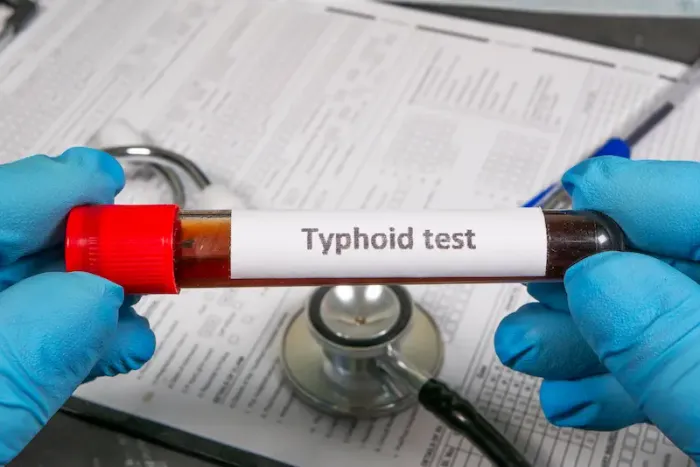
Introduction -Why Testing for Typhoid Matters
If you experience a persistent fever—especially following travel—or gastrointestinal symptoms such as abdominal pain, diarrhoea, or constipation, your doctor may recommend testing for typhoid fever. Early and accurate diagnosis is crucial to ensure the correct antibiotics are prescribed, prevent complications, and reduce the risk of spreading the infection to others.
This guide provides an overview of the main tests used for diagnosing typhoid fever, when to get tested, what to expect during the procedures, how long results take, and the possible risks or side effects.
What is Typhoid Fever?
Typhoid fever is a serious bacterial infection caused by Salmonella enterica serotype Typhi (S. Typhi). A closely related illness, paratyphoid fever, is caused by S. Paratyphi. Both infections are primarily transmitted through food or water contaminated with faeces from an infected person.
Common Symptoms
- Persistent high fever
- Headache, general weakness, and body aches
- Abdominal pain, loss of appetite, and gastrointestinal changes (constipation or diarrhoea)
- Occasionally, a faint rash of pink spots (known as “rose spots”)
Because these symptoms can resemble other infectious diseases such as malaria, dengue, or gastroenteritis, laboratory testing plays a vital role in confirming a diagnosis of typhoid fever.Consult a Top General Practitioner for Personalised Advice
Typhoid Test Options: An Overview
Doctors can use several different tests to detect typhoid. The choice of test often depends on the duration of symptoms, the stage of the illness, the patient’s history of antibiotic use, and local laboratory resources.
Main Diagnostic Options
- Culture Tests (blood, stool, or bone marrow): Detect the actual bacteria in your sample by growing it in a laboratory.
- Serology Tests (e.g. Widal test): Measure antibodies produced by your immune system in response to infection.
- Rapid Diagnostic Tests (RDTs): Detect bacterial antigens or antibodies quickly, often within minutes.
- Molecular Tests (PCR): Identify the genetic material of the bacteria for confirmation.
Among these, culture tests remain the gold standard for confirming typhoid fever. Other methods, such as antibody or rapid tests, can provide supporting information but are less reliable when used alone.
Blood Culture: The Standard First Test
It includes:
What It Is
A blood sample is collected and incubated in a special nutrient medium to allow S. Typhi or S. Paratyphi to grow, confirming the presence of infection.
When It Works Best
Blood cultures are most effective during the first week of illness, particularly before antibiotics are started. In some cases, multiple blood samples taken over a few days may increase the likelihood of detecting the bacteria.
Advantages
- Confirms the precise cause of infection (distinguishing typhoid from other illnesses).
- Enables antibiotic susceptibility testing, which guides the most effective treatment.
Limitations
- Requires time for bacterial growth (typically 1–3 days, sometimes longer).
- Prior antibiotic use can decrease the accuracy of results.
Stool and Urine Culture
It includes:
What It Is
These tests attempt to grow S. Typhi or S. Paratyphi from a stool sample or, less commonly, from urine.
When It Works Best
Stool cultures tend to be more useful after the first week of illness or in recovery stages, as bacteria are more likely to be shed in faeces during this period. They are also used to identify asymptomatic carriers who continue to shed the bacteria even after recovery.
Advantages
- Non-invasive and straightforward.
- Useful in detecting individuals who may spread the infection unknowingly.
Limitations
- Accuracy can vary depending on timing and sample handling.
- A single negative test does not rule out typhoid fever.
Bone Marrow Culture: The Most Sensitive Test
What It Is
A bone marrow sample, typically taken from the hip bone, is cultured to check for the presence of S. Typhi.
When It’s Used
This test is generally reserved for severe or unclear cases, or when other tests (especially blood cultures) are negative despite strong clinical suspicion. It is particularly valuable if the patient has already begun antibiotic therapy, as bone marrow often yields positive results even after treatment has started.
Advantages
- Highest sensitivity of all culture-based methods.
- It can detect infection even after antibiotics have been administered.
Limitations
- Invasive and can cause temporary discomfort.
- Requires trained medical staff and sterile clinical conditions.
The Widal Test (Antibody Test): Why Its Use Is Limited
It includes:
What It Is
The Widal test measures antibodies (O and H antigens) against S. Typhi in the blood. It can be completed relatively quickly and is widely available in many regions.
Key Caveats
- A single Widal test result is often unreliable, especially in areas where typhoid is common, because many people have pre-existing antibodies or cross-reactivity with other infections.
- The most meaningful interpretation comes from paired tests taken 7–10 days apart, showing a fourfold rise in antibody levels. However, this approach delays treatment decisions.
Bottom Line
Health authorities and modern medical guidelines caution against relying solely on the Widal test for diagnosis. Culture-based tests remain the preferred standard.
Rapid Diagnostic Tests and PCR
Let us see about the rapid diagnostic test and pcr
What They Are
- Rapid Diagnostic Tests (RDTs): Examples include Typhidot and TUBEX, which detect antibodies or bacterial antigens in blood within minutes.
- Polymerase Chain Reaction (PCR): Identifies the genetic material of S. Typhi directly.
Advantages
- Provide quick results (RDTs: 15–30 minutes; PCR: usually within 1–2 days).
- Useful in regions without cultural facilities.
Limitations
- Variable accuracy between different test brands and laboratories.
- Should be interpreted alongside clinical findings and, whenever possible, confirmed by culture.
When to Get a Typhoid Test?
You should consider seeking medical evaluation and testing if you have:
- A fever lasting three days or longer, particularly if you live in or have recently travelled to a region where typhoid is common.
- Persistent abdominal pain, headache, extreme tiredness, or gastrointestinal changes.
- Close contact with someone diagnosed with typhoid or paratyphoid fever.
When to Seek Urgent Care
Immediate medical attention is needed if you experience severe abdominal pain, confusion, persistent vomiting, bleeding, or signs of dehydration.
How to Prepare for a Typhoid Test
Follow the below tips for typhoid test preparation:
- Fasting is not required for blood or stool cultures.
- Inform your healthcare provider if you have taken any antibiotics, as they can reduce detection rates.
- Share details about recent travel, possible exposures, and vaccination history.
- Stay hydrated and carefully follow instructions for collecting stool samples to avoid contamination.
What to Expect During Each Test
Each test may conclude the following information:
Blood Culture or Serology (Including Widal or Rapid Tests)
- A healthcare professional cleans the skin and draws blood from a vein in your arm.
- The process typically takes only a few minutes.
- You may resume normal activities immediately after.
Stool Culture
- You’ll be given a sterile container and instructions for sample collection.
- Avoid contamination with urine or toilet water.
- Return the sample to the laboratory promptly for the most accurate results.
Bone Marrow Culture
- Conducted in a hospital or clinical setting under local anaesthesia.
- A needle is inserted into the hip bone to collect a small sample of marrow.
- Mild discomfort or soreness at the site is normal; recovery time is short.
- Follow your clinician’s aftercare instructions carefully to minimise complications.
How Long Results Take
The time for results includes:
- Blood and Stool Cultures: Preliminary findings in 24–72 hours, with final confirmation and antibiotic sensitivity results in several days.
- Widal and Serology Tests: Usually available within 24 hours.
- Rapid Diagnostic Tests: Typically 15–30 minutes.
- PCR Tests: Often completed within 1–2 days, depending on the laboratory.
Understanding Typhoid Test Results
The interpretation of typhoid results is:
- Positive Culture (blood, stool, or bone marrow): Confirms infection and enables doctors to select the most effective antibiotic.
- Negative Culture: Does not fully exclude typhoid fever, especially if antibiotics were taken beforehand.
- Repeat or alternative tests may be necessary.
- Widal or Antibody Tests: A single positive result is not definitive; a rising antibody level in paired samples carries more weight.
- Rapid Tests and PCR: Useful supporting tools, but should not replace culture confirmation.
Side Effects and Risks of Typhoid Tests
The side effects and risks involved are:
Blood Draw (Culture or Serology)
- Common: Brief pain, mild bruising, or light-headedness.
- Rare: Infection at the puncture site, excessive bleeding, or fainting.
Stool Sample
- No direct medical side effects.
- Minor inconvenience or embarrassment possible.
- Incorrect collection can affect test accuracy.
Bone Marrow Aspiration
- Common: Temporary soreness or bruising at the site.
- Less Common: Localised pain, bleeding, or infection.
- Rare: Reaction to anaesthetic or sedation.
If you develop worsening pain, swelling, fever, or bleeding after any procedure, contact your healthcare provider immediately.
After a Positive Typhoid Test
Things to do include:
- Your clinician will begin antibiotic therapy tailored to your test results and local resistance patterns.
- Complete the full course of antibiotics, even if you start to feel better, to prevent relapse or drug resistance.
- Maintain hydration and rest to support recovery.
- Practise strict hand hygiene and avoid preparing food for others until your doctor confirms it is safe.
- In some cases, follow-up stool cultures are performed to ensure you are no longer shedding the bacteria.
How to Reduce Your Risk (and Others’)
The risk can be reduced by:
- Wash your hands with soap and clean water before eating and after using the toilet.
- Eat freshly cooked and piping-hot foods; avoid raw or undercooked meals in high-risk areas.
- Drink bottled or treated water if clean water is unavailable.
- Consider vaccination before travelling to endemic regions (vaccines reduce, but do not eliminate, the risk)
- Avoid handling or preparing food for others while you are ill or recovering.
Conclusion
Accurate diagnosis of typhoid fever is the cornerstone of effective treatment and infection control. While culture tests—especially blood and bone marrow cultures—remain the most reliable methods, rapid and serological tests can serve as useful supplements when interpreted cautiously. Timely testing before antibiotic therapy, coupled with appropriate treatment and hygiene practices, can drastically reduce complications and prevent the spread of the disease. Staying informed, seeking prompt medical care, and adhering to preventive measures ensure the best protection against typhoid fever for yourself and your community.Consult a Top General Practitioner for Personalised Advice
Consult a Top General Practitioner for Personalised Advice


Dr. Md Yusuf Shareef
General Practitioner
8 Years • MBBS, Advanced Certificate Course in Dermatology
Hyderabad
Apollo 24|7 Clinic, Hyderabad

Dr Summaiya Banu
General Practitioner
8 Years • MBBS
Hyderabad
Apollo 24|7 Clinic, Hyderabad

(325+ Patients)

Dr. J T Hema Pratima
General Practitioner
9 Years • MBBS, Fellowship in Diabetes Mellitus
Chennai
Apollo 24|7 Clinic - Tamilnadu, Chennai
(400+ Patients)

Dr. Rajib Ghose
General Physician/ Internal Medicine Specialist
25 Years • MBBS
East Midnapore
VIVEKANANDA SEBA SADAN, East Midnapore

Dr. Ashita Kuruvilla
General Physician/ Internal Medicine Specialist
7 Years • MBBS
East Midnapore
VIVEKANANDA SEBA SADAN, East Midnapore
Consult a Top General Practitioner for Personalised Advice
Dr. Md Yusuf Shareef
General Practitioner
8 Years • MBBS, Advanced Certificate Course in Dermatology
Hyderabad
Apollo 24|7 Clinic, Hyderabad
Dr Summaiya Banu
General Practitioner
8 Years • MBBS
Hyderabad
Apollo 24|7 Clinic, Hyderabad
(325+ Patients)
Dr. J T Hema Pratima
General Practitioner
9 Years • MBBS, Fellowship in Diabetes Mellitus
Chennai
Apollo 24|7 Clinic - Tamilnadu, Chennai
(400+ Patients)
Dr. Rajib Ghose
General Physician/ Internal Medicine Specialist
25 Years • MBBS
East Midnapore
VIVEKANANDA SEBA SADAN, East Midnapore
Dr. Ashita Kuruvilla
General Physician/ Internal Medicine Specialist
7 Years • MBBS
East Midnapore
VIVEKANANDA SEBA SADAN, East Midnapore

Frequently Asked Questions
1) What is the Most Accurate Typhoid Test?
The bone marrow culture is the most sensitive diagnostic test, especially if antibiotics have already been started. However, blood culture remains the standard first-line test in most healthcare settings.
2) How Soon After Symptoms Start Can Typhoid Be Detected?
Blood cultures are most effective during the first week of illness, before antibiotic therapy begins. Stool cultures may be more helpful after the first week. Serology tests, such as the Widal test, are less reliable early in the disease.
3) Do Antibiotics Affect Typhoid Diagnosis?
Yes. Antibiotics can lower the chances of detecting S. Typhi in cultures. Testing before starting antibiotics is best. If already on treatment, your doctor may repeat tests or perform a bone marrow culture.
4) Is the Widal Test Reliable?
A single Widal test is not reliable, particularly in endemic regions. Only a fourfold rise between two samples taken a week apart is considered significant. Culture-based methods remain superior.
5) Can Typhoid Vaccines Affect Test Results?
Vaccines do not affect culture tests but can influence antibody-based tests, making them harder to interpret. Always inform your doctor about any recent vaccinations.