


- male
- 50 Years
- 31/03/2021
Is Apple good for heart?

Answered by 1 Apollo Doctors

They're high in soluble fiber, which helps lower cholesterol. They also have polyphenols, which are linked to lower blood pressure and stroke risk.
Dr. Ranjith Suggests...
Consult a Cardiologist
Answered 04/07/2025
0
0


Ask Apollo
AI powered Health Chatbot
-
Heart Health Benefits of Apples:
- Apples are rich in dietary fiber and antioxidants.
- They help lower cholesterol and reduce inflammation.
-
Dietary Recommendations:
- Include apples in a balanced diet with fruits, vegetables, and whole grains.
- Maintain a healthy lifestyle with regular exercise and weight management.
-
Consultation Advice:
- For specific heart conditions, consult a healthcare provider for personalized advice.
Other Related topics like...
 How many apples should I eat daily?
 Answered 20/08/2025
0
0
More Cardiology Health Queries
View allI've been feeling a bit under the weather with a cold recently, and I've been on antibiotics for it. When I checked my blood pressure, it was at 160100, which has me a bit worried. I did take a tablet called Stardol for muscle pain a few days ago. Should I be concerned about my blood pressure or anything else? Would love some guidance.
Get your pressures checked again. If high meet doctor and start medicines . Avoid extra salt. Get a 2DEcho and Ultrasound abdomen.


Answered by 1 Apollo Doctors
I'm wondering if you can help me out. I was stretching my neck and suddenly felt a squeezing sensation in my upper chest. Now, I'm noticing a bit of pain in my chest whenever I stretch or do activities that involve my chest. My breathing seems fine, though. Should I be concerned about this chest pain, or is it something that might go away on its own? Looking forward to your advice.
pectorolis minor strain intercostal muscle strain - take tab zerdol MR for 3 days
Answered by 1 Apollo Doctors
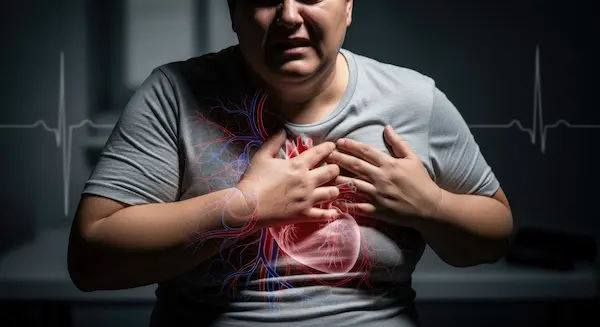
Why does the middle of my chest hurt?
It can be due to heart attack or gastro-oesophageal reflux disease. When a person is obese or have a lax esophageal sphincter there is a chance for stomach juices to get reflexed upto esophagus, causing burning pain or tightness in the middle of the chest.
Answered by 1 Apollo Doctors
Health Articles for you
View all



Disclaimer: Answers on Apollo 247 are not intended to replace your doctor advice. Always seek help of a professional doctor in case of an medical emergency or ailment.