


- female
- 30 Years
- 01/04/2021
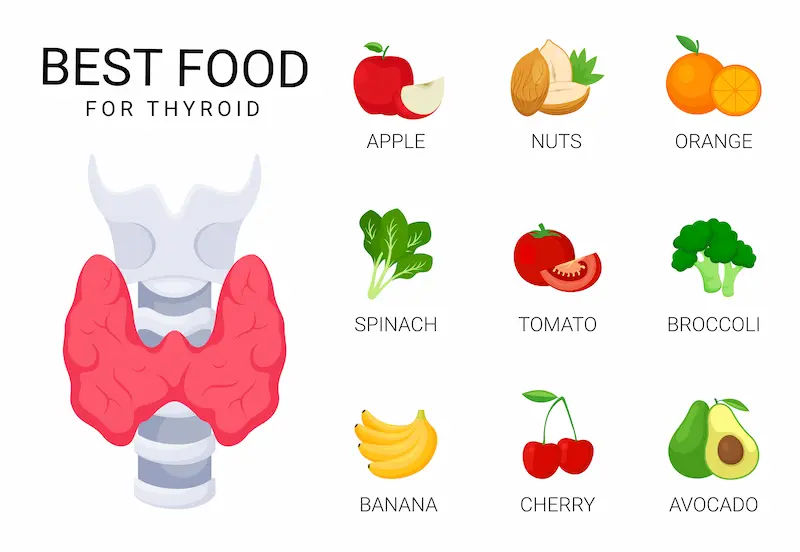
Is banana good for PCOS?

Answered by 1 Apollo Doctors

No,Bananas are rich in potassium, which regulates blood pressure, and are a good source of B vitamins, which help maintain blood sugar levels
Dr. Ranjith Suggests...
Consult a Endocrinologist
Answered 04/07/2025
0
0


Ask Apollo
AI powered Health Chatbot
-
Nutritional Benefits
Bananas are rich in potassium, vitamin C, and fiber, making them a nutritious choice. -
Glycemic Index Consideration
Due to their moderate glycemic index, consume bananas in moderation to manage blood sugar levels, important for PCOS. -
Dietary Tips
a. Include bananas in a balanced diet with vegetables, lean proteins, and whole grains.
b. Pair with protein or healthy fats (e.g., nuts, yogurt) to stabilize blood sugar. -
Personal Monitoring
Observe how your body responds to bananas and adjust intake as needed. -
Consultation Advice
For personalized dietary guidance, consider consulting a dietitian or healthcare provider.
Recommended next steps
Consult a clinical nutrition
Answered 20/08/2025
0
0
More Endocrinology Health Queries
View allI'm dealing with a vitamin D deficiency and my doctor prescribed Lumia 60K for me. I'm really curious, what's the best time to take it? Should I have it on an empty stomach or after eating?
Take it after food once in a week


Answered by 1 Apollo Doctors
I'm feeling a bit confused and worried about my thyroid levels. I had a TSH level of 23, but my free T3 and T4 were normal. So, I decided to try the B56 homeopathy drops. At around the fourth month, my TSH improved to 8.4, but after finishing eight months, it's back up to 23. I'm just wondering why it would increase again and if maybe I should consider a different treatment?
Consuming 1 liter of milk daily can have both positive and negative effects on health, depending on individual factors. Positive effects:* 1. Calcium intake: Supports bone health and density. 2. Protein content: Helps build and repair muscles. 3. Vitamins and minerals: Milk contains vitamins B2, B12, D, and minerals like potassium, magnesium. 4. Weight management: Can help with satiety and weight control. *Negative effects:* 1. Calorie intake: 1 liter milk 300-400 calories (15-20% daily recommended intake). 2. Sugar content: Milk contains natural sugars (lactose), potentially contributing to insulin resistance. 3. Saturated fat: Whole milk consumption may increase cholesterol levels. 4. Digestive issues: Some individuals may experience lactose intolerance, bloating, or gas. 5. Hormone regulation: Excessive milk consumption may affect hormone balance (e.g., estrogen, testosterone).
Answered by 1 Apollo Doctors
Physical Activity in Diabetes
Physical exercise lowers blood glucose levels and blood pressure, improves blood flow, burns extra calories so you can keep your weight down if needed, improves your mood, can prevent falls and improve memory in older adults, may help you sleep better. Start exercising after speaking to a doctor, start slowly and increase. Few types are walking briskly or hiking, climbing stairs, swimming or a water-aerobics class, dancing, riding a bicycle or a stationary bicycle, taking an exercise class, playing basketball, tennis, or other sports
Answered by 1 Apollo Doctors
Health Articles for you
View all



Disclaimer: Answers on Apollo 247 are not intended to replace your doctor advice. Always seek help of a professional doctor in case of an medical emergency or ailment.