


- female
- 50 Years
- 10/05/2022
Does lemon decreases blood presure?

Answered by 1 Apollo Doctors

Lemon if used in place of salt to flavour the dishes can help in decreasing blood pressure.
Dr. Kareemulla Suggests...
Consult a Cardiologist
Answered 04/07/2025
0
0


Ask Apollo
AI powered Health Chatbot
-
Lemon and Blood Pressure:
- Lemon contains vitamin C and antioxidants, beneficial for heart health.
- It is not a proven method to significantly lower blood pressure.
-
Blood Pressure Management for a 50-Year-Old Female:
- Lifestyle Changes: a. Balanced diet b. Regular exercise c. Healthy weight maintenance d. Reduced salt intake
- Medications: May be necessary as prescribed by a doctor.
-
Recommendations:
- Include lemon as part of a healthy diet.
- Do not replace medical advice or treatments with lemon.
- Consult your healthcare provider for personalized guidance.
Other Related topics like...
 Can lemon replace blood pressure medication?
 Answered 20/08/2025
0
0
More Cardiology Health Queries
View allI have a large ASD and my doctor recommended open heart surgery to place a device. Can you explain more about how this procedure works and what to expect? I'm feeling quite nervous about it OR My doctor said I need open heart surgery for a large ASD to fix it with a device. How risky is this procedure and what's the recovery like? OR I was diagnosed with a large ASD and told open heart surgery is needed for device closure. Are there other options or is this the only way? OR Can you tell me more about open heart surgery for ASD device closure? My doctor suggested it but I'm unsure about the long-term effects OR How safe is open heart surgery for ASD repair with a device? I'm worried about complications since mine is quite large
cardiologist opinion is advised for the tt of vsd.


Answered by 1 Apollo Doctors
I'm really worried about heart health. Could you tell me what tests are usually done to find heart disease? And what are the early signs of a heart attack I should watch out for? Also, what can I do to prevent a heart attack from happening in the first place?
To detect heart disease in the body, tests such as Electrocardiogram (ECG), Echocardiogram, Stress test, Cardiac catheterization, and CT scan may be done. Symptoms of a heart attack may include chest pain or discomfort, upper body pain, shortness of breath, nausea, lightheadedness, and cold sweats. To prevent a heart attack, it is important to maintain a healthy lifestyle by exercising regularly, eating a balanced diet low in saturated fats, managing stress, avoiding smoking, and controlling conditions like high blood pressure and diabetes.
Answered by 1 Apollo Doctors
I'm 29 and since 2018, I've been experiencing skipped or missed heartbeats, which make me feel really uneasy. In 2019, I had an ECG, an echo, and a TMT done, and they didn't find anything. Recently, I've had two more ECGs and still nothing showed up. The doctor prescribed ivabradine and some anxiety medicine. I also discovered I have hyperthyroidism. I got some relief, but the symptoms have started again, and I'm really scared and worried that something serious is going on. Can you help me figure out what's happening and where I should go to find out the exact cause?
It's understandable to feel anxious and concerned about your symptoms. Skipped or missed heartbeats, known as palpitations, can be distressing but are often benign, especially with normal ECG, echo, and TMT results. Hyperthyroidism can contribute to palpitations and should be managed effectively. Since you have already been prescribed ivabradine and an anxiety medication, it's important to continue following your doctor's advice and taking your medications as directed. Given your ongoing symptoms and anxiety, it might be beneficial to seek a comprehensive evaluation at a specialized center, such as a tertiary care hospital with a cardiology and endocrinology department. They can conduct further tests, such as a Holter monitor to track your heart rhythms over 24-48 hours, and refine your treatment plan. Additionally, managing anxiety through therapy, relaxation techniques, and lifestyle changes can also help alleviate your symptoms. Please consult with your healthcare provider to discuss your concerns and consider a referral to a specialist if needed.
Answered by 1 Apollo Doctors
Health Articles for you
View all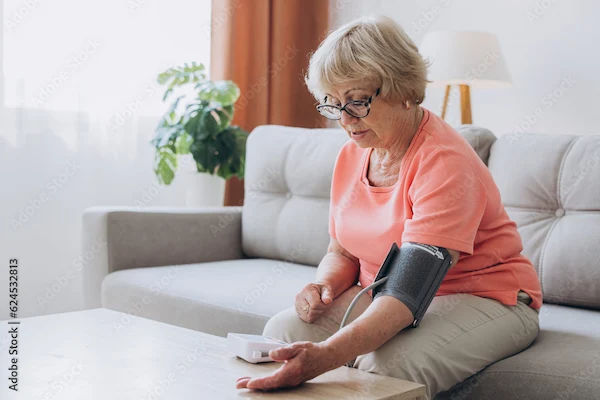
Disclaimer: Answers on Apollo 247 are not intended to replace your doctor advice. Always seek help of a professional doctor in case of an medical emergency or ailment.