apollo
  • female
  • 30 Years
  • 29/04/2022

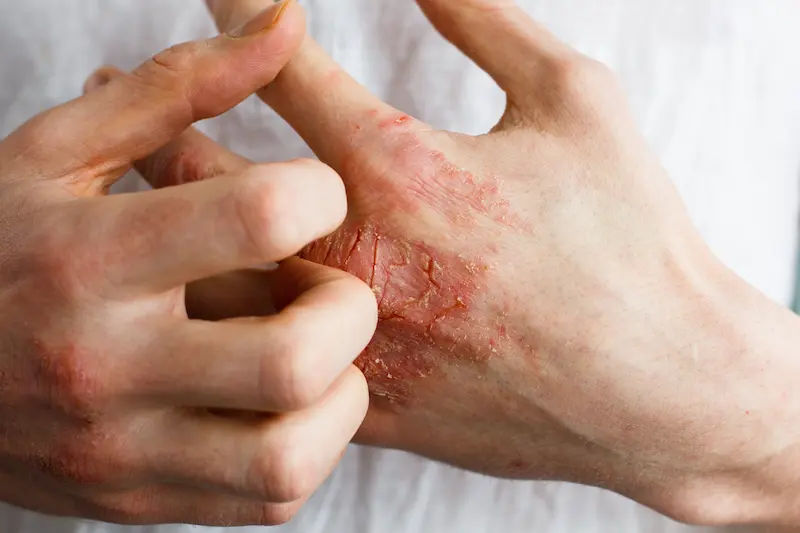
is eczema contagious

Doctor 1

Answered by 1 Apollo Doctors

No, eczema is not contageous

Dr. Shubham Suggests...

Consult a Dermatologist

Answered 04/07/2025

0

0

doc

Ask Apollo

AI powered Health Chatbot

Continue Chat
  1. Eczema is not contagious.

    • You cannot catch it from or spread it to others.
  2. What is eczema?

    • A condition causing red, itchy, and inflamed skin.
  3. Why it’s not contagious:

    • It results from immune system reactions to triggers like allergens, not infections.
  4. Managing eczema:

    • Use moisturizers, avoid triggers, and consider medications if needed.

If symptoms worsen, consult a healthcare professional for tailored advice.

Answered 20/08/2025

0

0

Sick? Talk to a doctor now

More Dermatology Health Queries

View all

I've been dealing with jock itch for almost four months now and it's been driving me crazy. I've tried all sorts of meds that doctors have prescribed, like itraconazole, terbinafine, and fluconazole, but nothing's really worked. Any advice on what I should do next? Feel like I'm running out of options here.

See a specialist for accurate diagnosis and targeted treatment.

read more
Doctor 1Doctor 2

Answered by 1 Apollo Doctors

I'm having this really annoying issue where my scrotum gets super itchy, especially at night. It's been happening for a few months now. The itchiness kind of eases up after I rub it, but it also seems to make it more prone to itching later on. What could be causing this, and should I be worried?

An itchy scrotum can be uncomfortable and concerning. Possible Causes 1. Jock Itch (Tinea Cruris): A fungal infection that thrives in warm, moist environments. 2. Seborrheic Dermatitis: A skin condition causing scaly, itchy, and red patches. 3. Eczema (Atopic Dermatitis): A chronic skin condition characterized by dry, itchy, and inflamed skin. 4. Contact Dermatitis: An allergic reaction or irritation caused by soaps, detergents, or other substances. 5. Scabies: A parasitic infection caused by the scabies mite. 6. Nutritional Deficiencies: Deficiencies in vitamins like B12 or minerals like zinc can cause itchy skin. Symptoms and Characteristics 1. Itching worsens at night: This is common in cases of jock itch, scabies, or eczema. 2. Itching reduces after rubbing: This might provide temporary relief but can also lead to further irritation and itching. 3. Itch-prone skin: This could be a sign of an underlying skin condition or allergy. What to Do Next 1. Consult a Doctor: Schedule an appointment with your primary care physician or a dermatologist to determine the underlying cause of your itchy scrotum. 2. Keep the Area Clean and Dry: Practice good hygiene, and avoid sharing personal care items. 3. Avoid Scratching and Rubbing: Try to resist the urge to scratch or rub the affected area, as this can exacerbate the condition. 4. Apply Topical Creams or Ointments: Over-the-counter creams or ointments, such as hydrocortisone or calamine lotion, can help soothe the skin and reduce itching. 5. Consider Antifungal or Antibacterial Treatments: If your doctor suspects a fungal or bacterial infection, they may prescribe antifungal or antibacterial medications

read more
Doctor 1Doctor 2

Answered by 1 Apollo Doctors

I'm really struggling with these dark spots on my face from pimples. Can you help me figure out how to reduce the pimples and get rid of the dark spots they leave behind?

Reducing Pimples* 1. *Maintain good hygiene*: Wash your face twice a day with a gentle cleanser. 2. *Use non-comedogenic products*: Choose products labeled "non-comedogenic" or "oil-free" to avoid clogging pores. 3. *Exfoliate regularly*: Exfoliate once or twice a week to remove dead skin cells and unclog pores. 4. *Avoid picking or popping pimples*: This can lead to further inflammation and scarring. *Eliminating Dark Spots* 1. *Topical treatments*: Apply creams or serums containing ingredients like: - Hydroquinone (2%): Fades dark spots. - Retinoids: Promotes cell turnover and collagen production. - Niacinamide: Improves skin hyperpigmentation. - Vitamin C: Antioxidant properties help reduce dark spots. 2. *Chemical peels*: A dermatologist can perform chemical peels to exfoliate the skin and reduce dark spots. 3. *Microdermabrasion*: A non-invasive exfoliating treatment that can help reduce dark spots. 4. *Sun protection*: Use a broad-spectrum sunscreen (SPF 30+) daily to prevent further darkening of spots.

read more
Doctor 1Doctor 2

Answered by 1 Apollo Doctors

Disclaimer: Answers on Apollo 247 are not intended to replace your doctor advice. Always seek help of a professional doctor in case of an medical emergency or ailment.