


- female
- 30 Years
- 16/09/2022
Fertility: What are the most common causes of infertility?

Answered by 1 Apollo Doctors

Idiopathic
Dr. Ibrahim Suggests...
Consult a Endocrinologist
Answered 04/07/2025
0
0


Ask Apollo
AI powered Health Chatbot
-
Ovulation Disorders
- Issues like polycystic ovary syndrome (PCOS) or hormonal imbalances can prevent egg release.
-
Tubal Factors
- Blocked or damaged fallopian tubes, often due to infections, can hinder egg and sperm meeting.
-
Uterine or Cervical Issues
- Conditions such as fibroids or cervical mucus problems can affect implantation or sperm movement.
-
Age-Related Factors
- Fertility declines with age, even at 30, due to decreasing egg quality and quantity.
-
Lifestyle and Environmental Factors
- Stress, smoking, excessive alcohol, obesity, and toxin exposure can impact fertility.
-
Medical Conditions
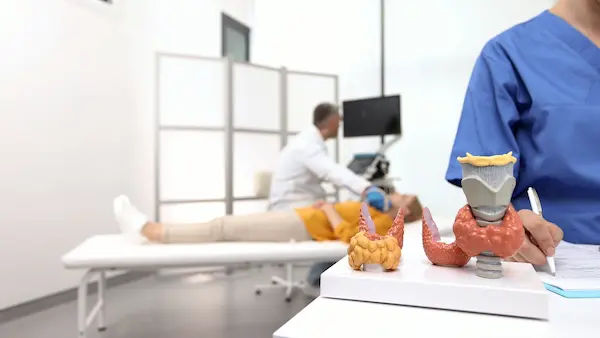
- Thyroid disorders, diabetes, or autoimmune diseases may affect fertility.
-
Diagnostic and Specialist Consultation
- Consult a gynecologist or fertility specialist for tests like hormone levels and ultrasounds.
-
Treatment Options
- Treatments may include medication, surgery, or assisted reproductive technologies.
Recommended next steps
Consult a Obstetrician and Gynaecologist or Take a Carbamazepine Levels - (CBZ) - Serum Test
Answered 20/08/2025
0
0
More Endocrinology Health Queries
View allI'm really worried because every time I get pregnant, I end up having a miscarriage. I'm wondering if this will keep happening. I've seen several gynecologists, but none of them can pinpoint why this is occurring. I also had two ectopic pregnancies on the right side, which led to my right tube being removed in April 2016. I've been trying to conceive again since August, but nothing's working out. Any insight on what could be going on or what I should do next?
refer to gynecologist


Answered by 1 Apollo Doctors
I'm interested in starting male to female hormone replacement therapy but not considering surgery right now. What's the best way to get more feminine features pills or injections? Can you recommend a good doctor who specializes in this?
Warm compresses, sitz baths, and antibiotics can help early Bartholin cysts; if it worsens or recurs, a minor procedure like marsupialization may be needed.
Answered by 1 Apollo Doctors
What bread can diabetics eat?
Choose whole grain bread or 100 percent whole wheat bread instead of white bread.
Answered by 1 Apollo Doctors
Health Articles for you
View all



Disclaimer: Answers on Apollo 247 are not intended to replace your doctor advice. Always seek help of a professional doctor in case of an medical emergency or ailment.