


- Female
- 35 Years
- 22/01/2025
Hey, I was wondering at what point of heart or coronary artery blockage do doctors usually recommend angioplasty? I've been reading up on it and I'm a bit worried. Appreciate your insights on this!

Answered by 1 Apollo Doctors

ngioplasty is recommended depends not just on the percentage of blockage, but also on symptoms, overall heart health, and the location of the blockageIn patients with symptoms like chest pain or shortness of breath, a blockage of 70% or greater is usually considered significant enough to benefit from angioplasty to restore blood flow to the heart.
Dr. Ibrahim Suggests...
Consult a Cardiologist
Answered 04/07/2025
0
0


Ask Apollo
AI powered Health Chatbot
-
Understanding Coronary Artery Blockage
- Coronary artery blockage restricts blood flow to the heart, potentially leading to chest pain or heart attacks.
-
Thresholds for Angioplasty Recommendation
- Angioplasty is typically considered for blockages of 70% or more.
- In some cases, blockages of 50-70% may warrant angioplasty if symptoms or test results indicate significant risk.
-
Factors Influencing Decision in a 35-Year-Old Female
- Symptoms like chest pain or shortness of breath are critical.
- Other factors include diabetes, hypertension, or family history.
-
Diagnostic Tests Guiding Treatment
- Coronary angiography is used to assess blockage.
- Stress tests or CT angiography may also be utilized.
-
Treatment Options Besides Angioplasty
- Medications and lifestyle changes are alternatives.
-
Importance of Personalized Medical Advice
- Consult a cardiologist for tailored assessment and treatment.
-
Relevant Medical Specialties
- Cardiology and Interventional Cardiology are key.
-
Common Angioplasty Procedures and Medications
- Angioplasty often involves stenting.
- Antiplatelet medications are used before and after the procedure.
Recommended next steps
Consult a Cardiologist or Take a Apollo Stress Impact Management Test
Answered 20/08/2025
0
0
More Cardiology Health Queries
View allI'm a bit worried because for the past month I've been having this weird chest pain, mostly on the left side. It's also affecting my left hand, shoulder, and neck. I've already done a TMT, echo, and ECG but the reports all came back normal. I'm really confused about what's going on. Could you help me figure out what this might be?
When there is no cardiac issue that could be pleuritis or costochondritis no need to worry take rest and foolow your doctors advice.


Answered by 1 Apollo Doctors
I'm a bit confused about how often someone should get a 2D Echo and ECG if they're feeling perfectly fine. Should it be done once a year or more? And what if someone starts showing symptoms; how does that change things? Would love to get a bit more clarity on this.
For a healthy person without any symptoms, it is generally recommended to do a 2D Echo and ECG once every 1-2 years for routine screening. However, if you are experiencing symptoms such as chest pain, palpitations, shortness of breath, or dizziness, it is important to consult with a healthcare provider for further evaluation and appropriate testing frequency.
Answered by 1 Apollo Doctors
I've been dealing with chest pain for the past six months, and it only happens when I take a deep breath. The pain is right in the middle of my chest. I'm kind of worried because I'm not having any other symptoms like breathing issues, coughing, or blood. It's just this gas problem I have. Could this be something serious like cancer?
take pantop 40mg for 3 day and review
Answered by 1 Apollo Doctors
Health Articles for you
View all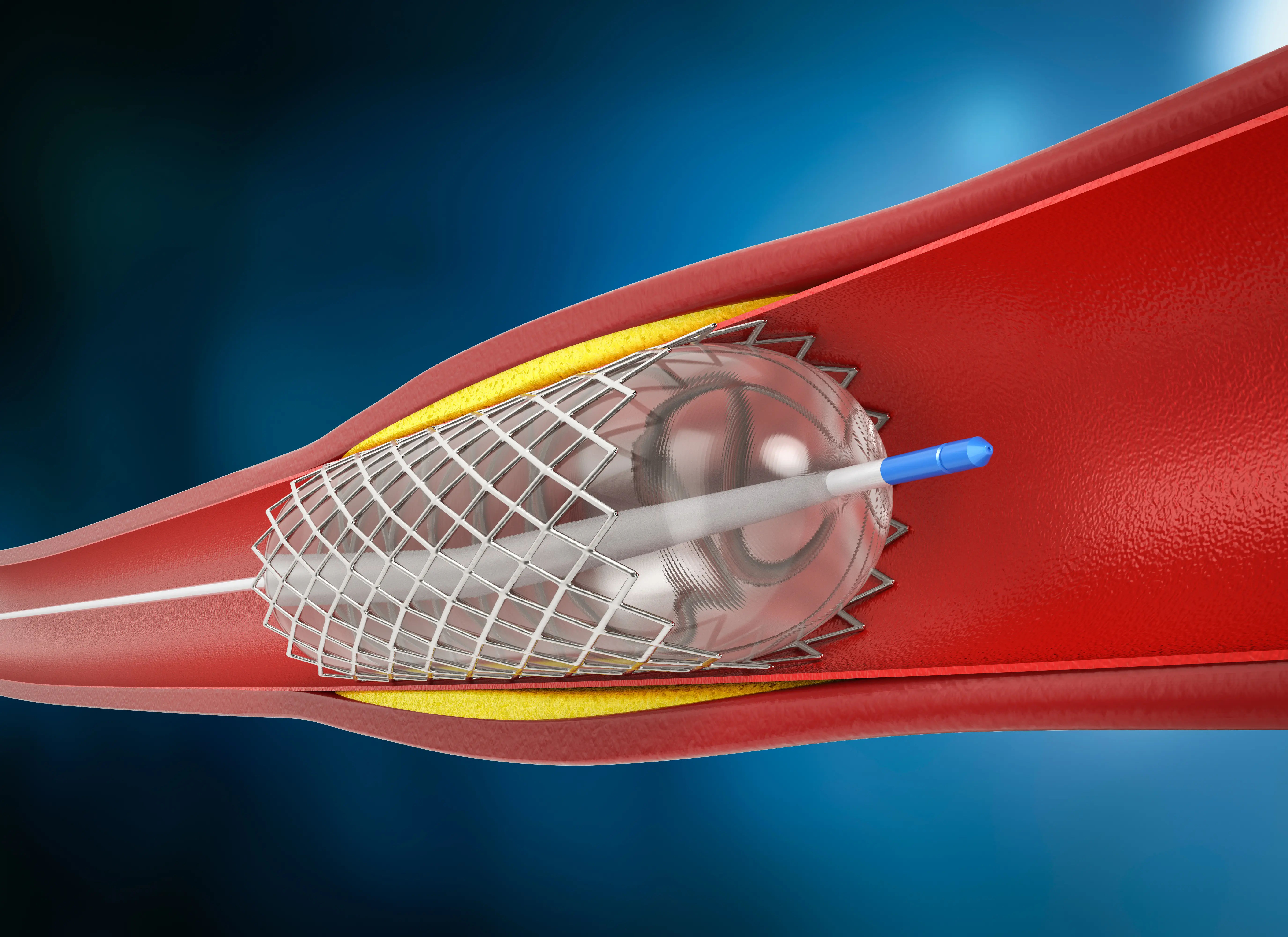




Disclaimer: Answers on Apollo 247 are not intended to replace your doctor advice. Always seek help of a professional doctor in case of an medical emergency or ailment.