


- female
- 55 Years
- 29/01/2025
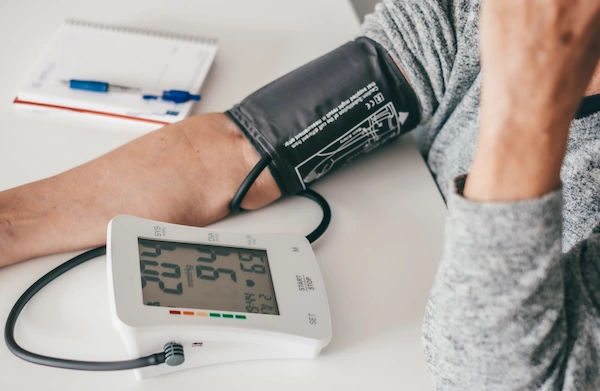
Hey, I've got my mom's ECG report here and I'm a bit worried. She's 55 and was dealing with some pretty high blood pressure at 200100. She's been taking Tritelsar 80 as prescribed, and her blood pressure's come down to 13090, which is great. But, I'm still concerned about whether this is something serious or life-threatening? She's also been working really hard on getting healthier over the past year by doing brisk walking, yoga, basic workouts, and she's cut back on salt in her diet too. Could you help me understand the ECG report a bit?

Answered by 1 Apollo Doctors

The ECG report shows sinus rhythm with no significant abnormalities. Given your mother's history of hypertension, it is important to continue monitoring her blood pressure regularly. Tritelsar 80 hs is a good choice to help control her blood pressure. It is important for her to continue with her current lifestyle modifications such as exercise, yoga, and a low-salt diet. There is no indication of a worrisome or life-threatening disease based on the ECG report. However, it is essential to follow up with her doctor regularly to ensure her blood pressure remains controlled and to address any concerns. In summary, continue with Tritelsar 80 hs as prescribed by the doctor, monitor blood pressure regularly, and maintain a healthy lifestyle with exercise and a low-salt diet.
Dr. Ibrahim Suggests...
Consult a Cardiologist
Answered 04/07/2025
0
0


Ask Apollo
AI powered Health Chatbot
-
Blood Pressure Control:
- Your mother's blood pressure improvement from 200/100 to 130/90 is a positive sign, indicating better control.
-
Medication:
- Tritelsar 80 is effectively managing her blood pressure.
-
ECG Report:
- Specific findings are needed for detailed interpretation. Generally, ECGs assess heart rhythm and potential strain from high blood pressure.
-
Seriousness:
- Controlled blood pressure and lifestyle changes reduce risks of heart disease or stroke. Her condition is not immediately life-threatening.
-
Next Steps:
- Continue regular doctor visits, adhere to medications, maintain a healthy lifestyle, and report any new symptoms.
Other Related topics like...
 What does my mom's ECG report show?
 Answered 20/08/2025
0
0
More Cardiology Health Queries
View allDoes your body warn you before a heart attack?
Yes the warning signs can vary between Pressure, tightness, pain, or a squeezing or aching sensation in your chest or arms that may spread to your neck, jaw or back along with Nausea, indigestion, heartburn or abdominal pain, Shortness of breath,Cold sweat,Fatigue,Lightheadedness or sudden dizziness.


Answered by 1 Apollo Doctors
I'm dealing with some really scary chest pain right in the middle and opposite of my back and it's making it hard to breathe and I feel so weak. We're in complete lockdown here and I saw a pulmonologist a couple of months ago who put me on some meds like Azithral 500, Digihaler FB200, a flubloc nasal spray, cilapam ls, Clonil, and Hifenact. He said to always continue 2, 4, and 5. But yesterday it got so bad, my left chest and hand weren't working properly, so I rushed to a nearby medical place and they gave me two injections. I got an ECG and chest X-ray done, and both came back normal. I've quit smoking recently, which is good, but I can't find those meds anywhere here. Can you suggest alternatives or anything extra that might help? There's no pulmonologist around and I'm really worried.
tab pantop for 3 days
Answered by 1 Apollo Doctors
My dad had heart bypass surgery about 3 years ago at Ushamullapudi Hospital, and now his heart has gotten larger. He's really having trouble with breathing. He's 60 years old. What could be causing this and what should we do next?
He may benefit from medications such as Carvedilol (Coreg) to help reduce the workload on his heart and improve his symptoms. The typical starting dose for Carvedilol is 3.125 mg twice a day, which can be gradually increased as tolerated. Additionally, he may also be prescribed Furosemide (Lasix) to help reduce fluid buildup in his body and relieve his breathing difficulties. The usual starting dose for Furosemide is 20-80 mg per day, depending on his kidney function and fluid status. It is crucial for him to follow up with his cardiologist regularly for monitoring and adjustments to his medication regimen.
Answered by 1 Apollo Doctors
Health Articles for you
View all

Disclaimer: Answers on Apollo 247 are not intended to replace your doctor advice. Always seek help of a professional doctor in case of an medical emergency or ailment.