


- male
- 60 Years
- 21/12/2021
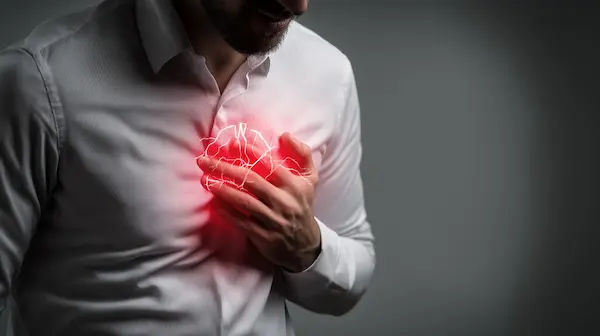
How can Viagra cause a heart attack?

Answered by 1 Apollo Doctors

Although there has been no conclusive evidence of link, there have been few reports of heart attack, stroke and arrhythmia in men taking Viagra.
Dr. Kareemulla Suggests...
Consult a Cardiologist
Answered 04/07/2025
0
0


Ask Apollo
AI powered Health Chatbot
-
How Sildenafil Works
- Sildenafil relaxes blood vessels, improving blood flow, primarily for erectile dysfunction.
-
Cardiovascular Effects
- It can lower blood pressure and increase heart workload, crucial for those with heart issues.
-
Risk Factors in Older Adults
- Men around 60 may have heart disease or risk factors, increasing vulnerability.
-
Potential for Heart Attack
- Risk increases with nitrate interaction, existing heart disease, or sudden cardiac stress.
-
Precautions and Medical Advice
- Consult a healthcare provider before use, especially with heart conditions; monitor symptoms.
-
When to Seek Emergency Help
- Recognize heart attack symptoms and seek immediate medical attention.
Recommended next steps
Consult a Cardiologist
Answered 20/08/2025
0
0
More Cardiology Health Queries
View allWhat are risks of high blood pressure?
Heart disease, kidney disease, pheripheral artery disease , brain strokes and aortic aneurysms


Answered by 1 Apollo Doctors
I recently went through a 2D echo because of some palpitations, and I've had an EKG as well. Plus, I did a stress test a while back. Do these results seem normal to you?
Based on the information provided, I cannot give a definitive answer without reviewing the actual results of your 2D echo, EKG, and stress test. It is important to consult with your healthcare provider to interpret the results accurately. If everything looks normal, no further action may be needed. However, if there are any abnormalities or concerns, your doctor may recommend specific medications.
Answered by 1 Apollo Doctors
I'm really worried about what to do if someone suddenly has a heart attack. Could you tell me what essential medicines should be given right away or what things we should always have at home just in case?
In case of a sudden heart attack, it is crucial to act quickly. The most important medication to have on hand is aspirin. It is recommended to chew and swallow one full-strength aspirin (325mg) as soon as a heart attack is suspected, as it can help prevent further blood clotting. Additionally, nitroglycerin can be helpful in relieving chest pain during a heart attack. If the individual experiencing the heart attack has been prescribed nitroglycerin in the past, they can take it as directed by their healthcare provider. It is also important to have emergency contact numbers readily available, such as 911 or local emergency services, in case immediate medical attention is needed. Regularly checking and maintaining an automated external defibrillator (AED) at home can also be life-saving in such emergencies. Remember, quick action is crucial during a heart attack, so it is important to seek medical help immediately.
Answered by 1 Apollo Doctors
Health Articles for you
View all
.webp)


Disclaimer: Answers on Apollo 247 are not intended to replace your doctor advice. Always seek help of a professional doctor in case of an medical emergency or ailment.