


- female
- 18 Years
- 29/04/2022
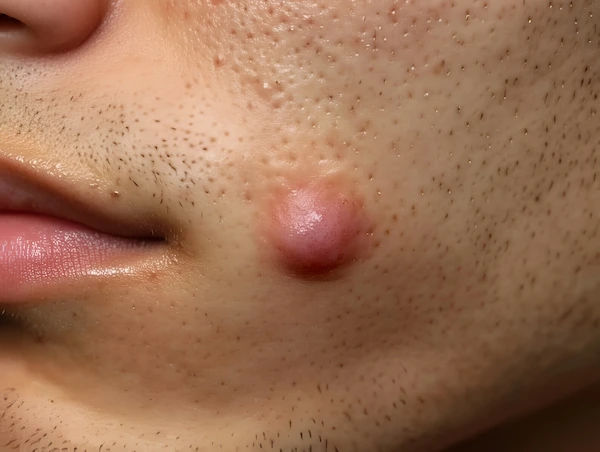
how to clear acne marks

Answered by 1 Apollo Doctors

Chemical peel, dermal fillers such as polymethylmethacrylate (PMMA), hyaluronic acid (HA), and poly-L-lactic acid (PLLA) and laser resurfacing, microneedling.
Dr. Chandra Suggests...
Consult a Dermatologist
Answered 04/07/2025
0
0


Ask Apollo
AI powered Health Chatbot
-
Skincare Routine
a. Cleanse your face twice daily with a mild face wash.
b. Use a moisturizer suitable for your skin type.
c. Apply sunscreen daily to prevent darkening of marks. -
Over-the-Counter Treatments
a. Look for products with niacinamide, vitamin C, or AHAs to help fade marks. -
Lifestyle Tips
a. Avoid chocolates, desserts, and dairy products.
b. Stay hydrated and maintain a healthy diet.
c. Do not pop or pick at acne to reduce scarring. -
When to Seek Medical Advice
a. Consult a dermatologist for treatments like chemical peels or laser therapy if needed. -
Patience and Consistency
a. Clearing acne marks takes time; be consistent with your routine.
Recommended next steps
Consult a Dermatologist
Answered 20/08/2025
0
0
More Dermatology Health Queries
View allMy wife got PRP treatment a few days ago, and now her forehead's really swollen. Is this something we should be worried about? It's been three days since the procedure, and we just want to know if this kind of swelling is normal.
Can you give some details like for what was the platelet rich plasma therapy done on your wife? Swlling at the site of injection, pain, soreness etc are common and they usually subside on its own. But swelling on forehead is not a side effect.


Answered by 1 Apollo Doctors
I've always had dry and rough hair, even since I was born, and I've been dreaming of having soft, silky hair. My hair is also pretty thick, and I've been considering treatments like smoothening and straightening. I'm just worried about how these might affect my hair in the long run. Is there something else I should be doing? Are there alternative methods I might not have thought about?
Visit your Physician for appropriate management
Answered by 1 Apollo Doctors
I'm really struggling with lichen planus on my legs for the past 5 years and it's been a tough journey. I've tried homeocare for over 4 years, but it hasn't helped much and I'm getting really frustrated. Can you suggest any better treatments available in Hyderabad? I'm looking for something that could actually make a difference.
- Its important to consult a dermatologist for a more targeted treatment plan,
Answered by 1 Apollo Doctors
Health Articles for you
View all


Disclaimer: Answers on Apollo 247 are not intended to replace your doctor advice. Always seek help of a professional doctor in case of an medical emergency or ailment.