


- female
- 50 Years
- 10/05/2022
How does diabetes affect the kidneys?

Answered by 1 Apollo Doctors

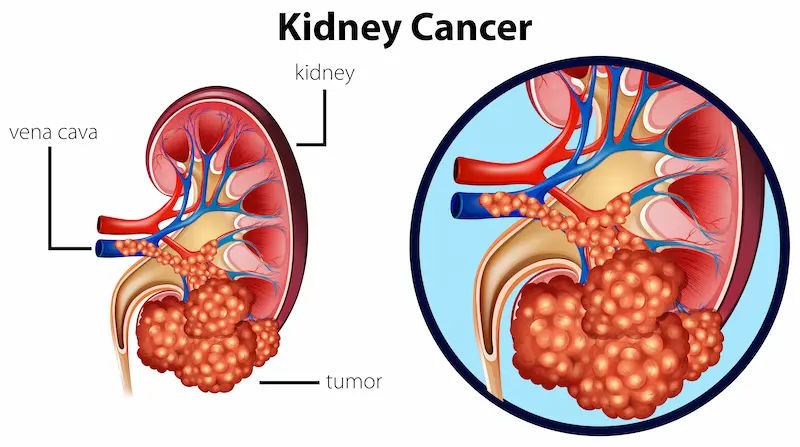
With time, raised blood sugar can damage blood vessels in the kidneys as well as nephrons making them not work as well as they should. Many people with diabetes also develop high blood pressure, which can damage kidneys too.
Dr. Shubham Suggests...
Consult a Nephrologist
Answered 04/07/2025
0
0


Ask Apollo
AI powered Health Chatbot
-
Overview of Diabetes and Kidney Function
- Kidneys filter waste and excess fluids from the blood. Diabetes can impair this process by damaging blood vessels.
-
How Diabetes Affects the Kidneys
- High blood sugar harms kidney blood vessels and filtering units (glomeruli), causing protein leakage into urine.
-
Stages of Diabetic Kidney Disease
- Early signs include microalbuminuria. It can progress to severe damage and reduced kidney function.
-
Symptoms and Diagnosis
- Common symptoms: swelling, fatigue. Regular urine and blood tests are crucial for early detection.
-
Management and Prevention
- Control blood sugar and blood pressure. Lifestyle changes and medications can protect kidneys. Consult specialists like nephrologists.
-
Importance of Regular Monitoring
- Routine check-ups are essential to detect and prevent progression of kidney issues.
Recommended next steps
Consult a Nephrologist or Take a Urine Culture Test Test
Answered 20/08/2025
0
0
More Nephrology Health Queries
View allWhat are the symptoms of stage 1 kidney disease?
Blood in urine , higher than normal levels of proteins in your urine, visible evidence of structural damage via CT scan, MRI, ultrasound, or x-ray with contrast.


Answered by 1 Apollo Doctors
I'm really worried about my dad. His creatinine serum levels have gone up to 6.08, and he's been on Ayurvedic medicine for about a year now, but it doesn't seem to be helping. Can you offer any advice or suggestions on what we should do next? We're really concerned and not sure where to turn.
High creatinine levels indicate a problem with kidney function. In this case, it is important to consult a doctor for proper evaluation and management. Regular monitoring and follow-up with a healthcare provider are essential in managing kidney issues.
Answered by 1 Apollo Doctors
I'm a bit worried about my creatinine level, which is at 1.04. Should I be concerned about it being too high? If so, what kinds of foods should I avoid to help manage it?
Thats absolutely normal no need to worry ,maintain healthy lifestyle
Answered by 1 Apollo Doctors
Health Articles for you
View all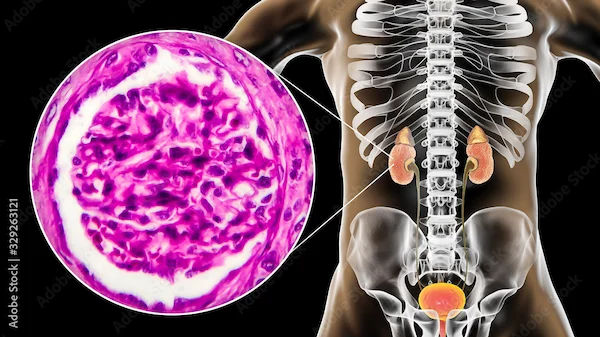

Disclaimer: Answers on Apollo 247 are not intended to replace your doctor advice. Always seek help of a professional doctor in case of an medical emergency or ailment.