



- male
- 50 Years
- 31/03/2021
Is Egg good for high creatinine?

Answered by 1 Apollo Doctors

Excess protein intake in the form of eggs, chicken etc is not advised if creatinine levels are high
Dr. Shubham Suggests...
Consult a Nephrologist
Answered 04/07/2025
3
2


Ask Apollo
AI powered Health Chatbot
-
Eggs and Kidney Health: a. Eggs are a good source of high-quality protein. b. In kidney conditions, protein intake may need moderation to avoid overloading the kidneys.
-
Creatinine Levels: a. High creatinine suggests reduced kidney function. b. Managing diet, including protein sources, is crucial to reduce kidney strain.
-
Consultation: a. Discuss your condition with a nephrologist or dietitian. b. They can provide tailored dietary advice, including safe egg consumption.
Summary: Eggs can be part of your diet but should be consumed in moderation based on kidney health. Always follow personalized medical advice.
Recommended next steps
Consult a Nephrologist
Answered 20/08/2025
0
0
More Nephrology Health Queries
View allI'm a bit worried about my recent kidney function blood test results. I had it done yesterday, and I saw that my serum creatinine is 0.9 mgdl, BUN is at 10.16 mgdl, uric acid level is 2.7 mgdl, and calcium is 9.34 mgdl. What's got me concerned is that the uric acid level is below the normal range. Is this something I should be worried about or get treated? By the way, I only have my right kidney because I had a nephrectomy on my left kidney at birth. Any advice would be appreciated.
#NAME?


Answered by 1 Apollo Doctors
I'm really worried about my current health situation. My creatinine level is 3.6 and my eGFR is 19. Is there any way to lower my creatinine or at least stop it from going higher? I've heard about Ketosterilwould it be safe or effective for me to take it to help with my creatinine levels?
Creatinine levels can be managed, but reduction or stopping increase depends on underlying kidney function. Consult a nephrologistKetosteril (ketosteril): Not recommended as primary treatment
Answered by 1 Apollo Doctors
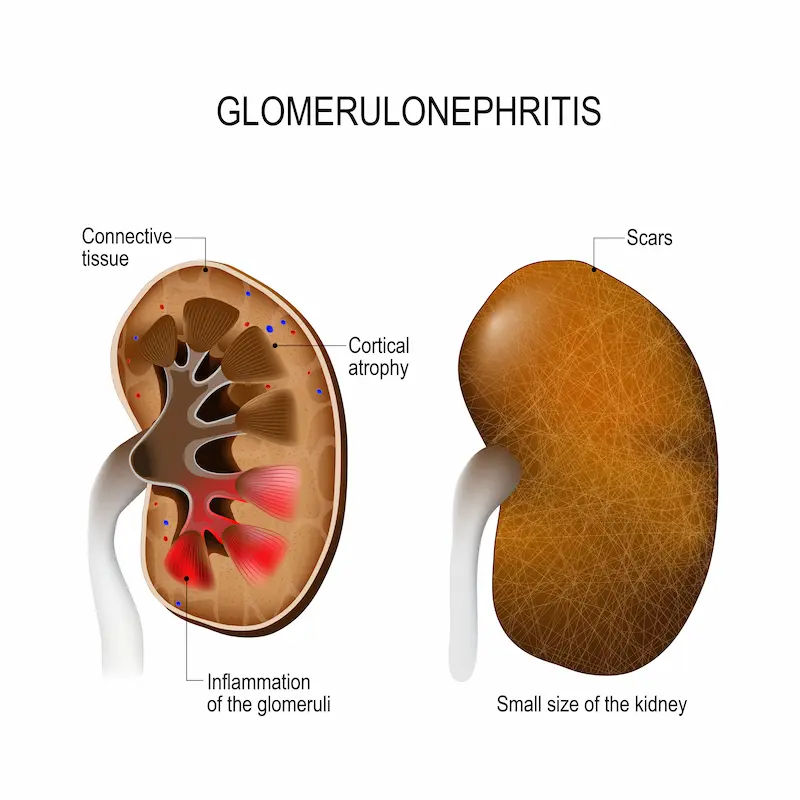
I'm kind of worried about my recent lab results. My creatinine level is 1.5, and the 24-hour urine protein is at 416 mg. The DMSA scan also showed some renal parenchymal dysfunction with cortical scars. Should I be concerned about these numbers, and what do they actually mean for my kidney health?
Your test results indicate chronic kidney disease (CKD) with impaired renal function (elevated creatinine), significant proteinuria (416 mg24h), and evidence of renal parenchymal damage with cortical scars on DMSA scan, warranting further evaluation and management by a nephrologist to slow disease progression.
Answered by 1 Apollo Doctors
Health Articles for you
View all
.webp)

Disclaimer: Answers on Apollo 247 are not intended to replace your doctor advice. Always seek help of a professional doctor in case of an medical emergency or ailment.