


- female
- 30 Years
- 14/08/2025
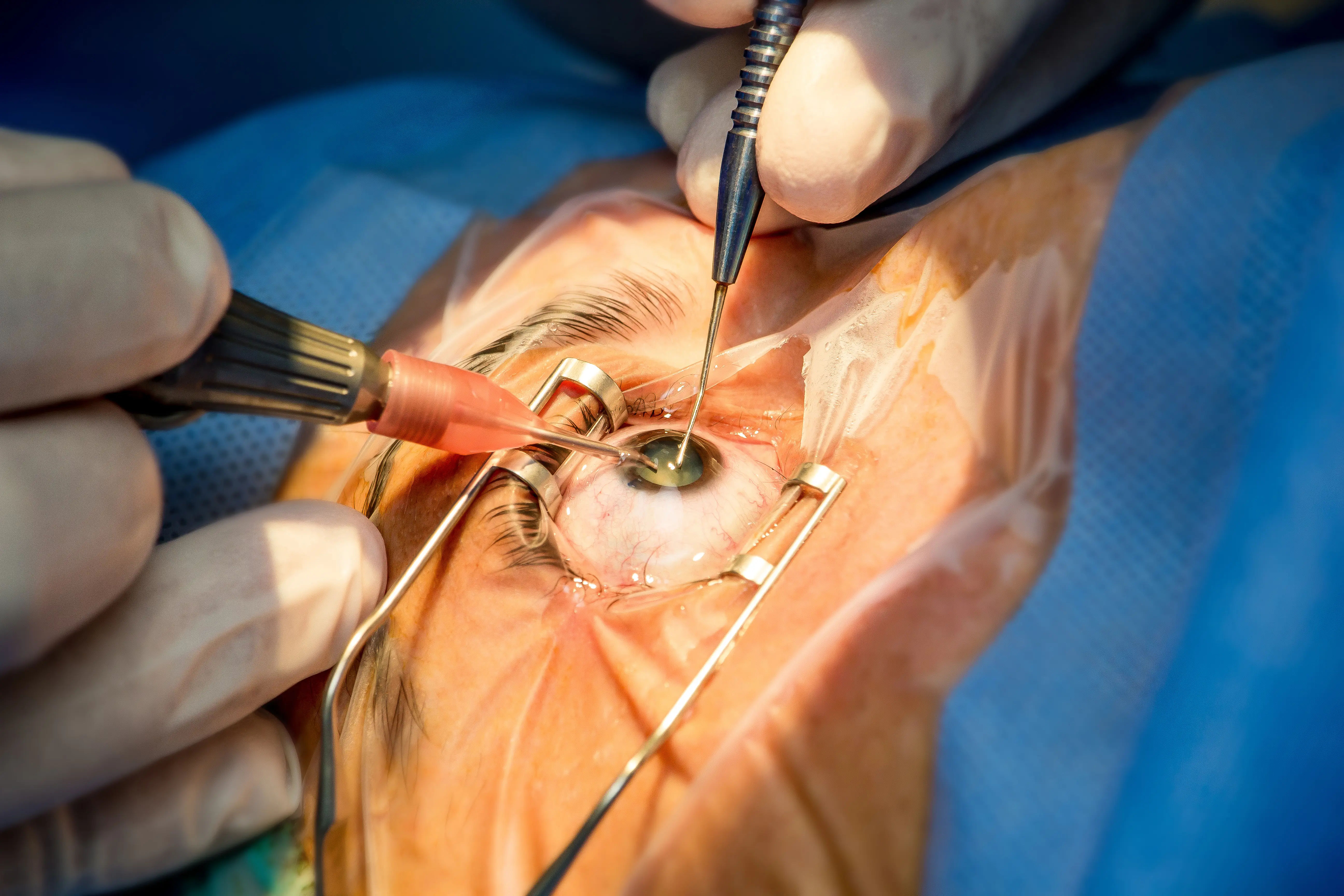
I had surgery about a month and a half ago, and my daytime vision is clear, but as soon as evening comes, everything gets really blurry. Even small text inside or outside looks hazy in artificial light, though it's sharp in sunlight or mornings. Is this normal? The blurriness in low light is uncomfortable and makes it hard to see details.

Answered by 1 Apollo Doctors

Yes, this is a common experience after surgery, particularly eye surgery like LASIK or cataract surgery. Blurry vision, especially in low light, can be a temporary side effect as your eyes and brain adjust to the new conditions. It's often related to healing processes, dry eyes, or how the eye processes light.
Dr. Kamran Suggests...
Consult a Ophthalmologist
Answered 14/08/2025
0
0

More Ophthalmology Health Queries
View allMy dad is 52 and has cylindrical power, plus he needs cataract surgery. We're thinking of going for toric lens but I'm not sure about the cost could you give me an idea of what to expect?
Toric lenses correct cylindrical power; cost depends on brand—typically ₹20,000–₹40,000 per eye.


Answered by 1 Apollo Doctors
Can you check my LASIK test report and let me know if I'm eligible for the surgery or if there are any risks I should be aware of
eye drops are advised ,for severe cases surgical excision is advised to the pt.
Answered by 1 Apollo Doctors
i want to get lasik surgery but im 22 is this the right age for it or should i wait also what tips should i keep in mind before going for the procedure
For the majority of the population, the ideal age range for LASIK surgery falls between 20 and 40 years. However, there is no upper limit for lasik provided the eye is healthy and does not have any other associated conditions(as discussed further)
Answered by 1 Apollo Doctors
Health Articles for you
View all



Disclaimer: Answers on Apollo 247 are not intended to replace your doctor advice. Always seek help of a professional doctor in case of an medical emergency or ailment.