


- male
- 45 Years
- 29/01/2025
I recently did my routine test, and I'm quite worried about my lipid profile, especially the triglycerides, which don't look great. Should I consider getting more tests done, or is it time to start medication? My total cholesterol level is at 177 mg, triglycerides are 327 mg, HDL cholesterol is 37 mg, non-HDL cholesterol reads 140 mg, and LDL cholesterol is 108 mg with an atherosclerosis index of 5. I'd really appreciate some detailed advice on what steps I should take next.

Answered by 1 Apollo Doctors

Based on your lipid profile results, your triglyceride levels are high at 327mgdL. To help lower your triglyceride levels, you can start taking Omega-3 fatty acids supplements such as Lovaza 1-4 grams per day. Additionally, you can consider starting a statin medication like Lipitor (Atorvastatin) at a dose of 10-80 mg per day to help lower your LDL cholesterol levels and reduce the risk of atherosclerosis. It is important to also focus on lifestyle modifications such as a healthy diet low in saturated fats and sugars, regular exercise, and weight management. Regular monitoring of your lipid profile will be necessary to track your progress.
Dr. Chandra Suggests...
Consult a Cardiologist
Answered 04/07/2025
0
0

More Cardiology Health Queries
View allI've got some concerns about my latest ECG results. It mentioned something about abnormal R wave progression. Is that something to worry about or can it be considered normal? I've been feeling a bit out of breath when I climb about 23 stairs. What should I do about this? I'd really appreciate some guidance.
take treatment


Answered by 1 Apollo Doctors
I've been really worried about having a heart attack. I keep feeling symptoms like pain in my left hand, chest pain, dizziness, fatigue, shaking, fever, and even a cough. It's getting hard to focus on my daily activities because I'm always noticing these symptoms. I've done multiple testslike ECGs, an echo, a stress ECG test, a troponin test, and also an X-ray. My cholesterol has been checked twice too. All the results came back normal, but I still can't shake off the fear of having a heart attack. Why do I still feel this way despite all the normal test results?
It sounds like you are experiencing a lot of anxiety and fear related to the possibility of having a heart attack, despite multiple tests showing normal results. It's important to address your anxiety and stress levels in addition to your physical health. In your case, I would recommend a low dose of an anti-anxiety medication such as lorazepam (Ativan) 0.5mg to be taken as needed when you feel overwhelmed by these symptoms. Additionally, practicing relaxation techniques such as deep breathing exercises, meditation, and regular physical activity can also help manage your anxiety. Remember to consult with your healthcare provider before starting any new medication.
Answered by 1 Apollo Doctors
I'm worried because I've noticed that my heartbeat seems irregular over the past couple of days. It's almost like my heart has these hiccups that occur about 57 times a day. While I'm not experiencing any pain, nausea, or discomfort, it just feels really strange to have this abnormal beat in between my normal heartbeats. What could be going on?
It sounds like you may be experiencing palpitations. Palpitations are sensations that feel like your heart is pounding or racing. In your case, it seems like you are experiencing occasional irregular heartbeats. One common cause of palpitations is stress or anxiety. However, it is important to rule out any underlying heart conditions. I recommend you to take **Metoprolol (brand name: Lopressor)** 25mg once daily. Metoprolol is a beta-blocker that can help regulate your heart rate and rhythm. It is important to follow up with a cardiologist for further evaluation and monitoring. If you experience any worsening symptoms or new symptoms such as chest pain, shortness of breath, or fainting, seek immediate medical attention.
Answered by 1 Apollo Doctors
Health Articles for you
View all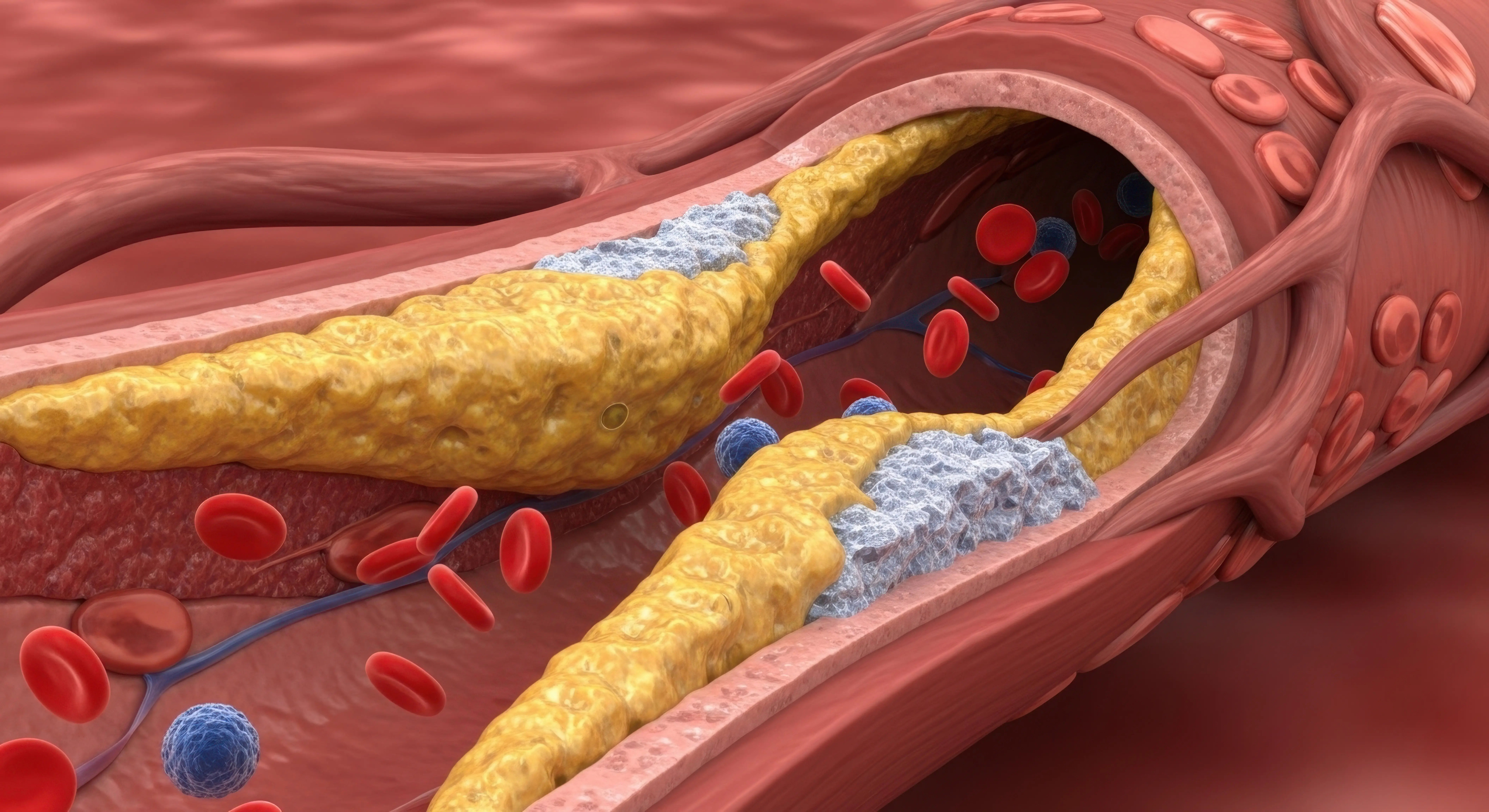

Disclaimer: Answers on Apollo 247 are not intended to replace your doctor advice. Always seek help of a professional doctor in case of an medical emergency or ailment.