


- Male
- 29 Years
- 22/01/2025
I recently had an ECS done, and the report mentioned it was an "unconfirmed report." I'm just wondering, what exactly does this mean? Should I be concerned, or is everything likely okay?

Answered by 1 Apollo Doctors

Repeat ecg is advised.
Dr. Mubarak Suggests...
Consult a Cardiologist
Answered 04/07/2025
0
0

More Cardiology Health Queries
View allI'm feeling a tickling sensation in my chest and what's kind of like fluttering, which makes me anxious and sad. It's also strange because I get this mild headache only at night. Any idea what might be going on?
To help alleviate these symptoms, you can try taking over-the-counter medication such as paracetamol for the headache. Additionally, you can consider using anti-anxiety medication such as lorazepam at a low dose to help with the feelings of anxiety and sadness. It is important to consult with a doctor before starting any new medication.


Answered by 1 Apollo Doctors
I was lying down and felt some mild chest pain, so I went to the doctor. They did an ECG and echo, and everything seemed normal, but it showed something about a mild TR Pah and Tr jet at 2.8 with RVSP at 30rap. The doctor said it was fine. A year later, I had another echo, and this time it showed no TR, just PJV at 1.23 msec. I'm not really sure what that means and just want to confirm that there's no PH. The echo report says chamber size and function are normal, so should I be worried about anything?
The results of your echocardiogram show that there is no tricuspid regurgitation (TR) this time, and the pulmonary jet velocity (PJV) is 1.23 msec. This indicates that there is no significant backflow of blood through the tricuspid valve and the blood flow through the pulmonary valve is normal. The right ventricular systolic pressure (RVSP) of 30 mmHg is also within normal limits, indicating normal pressure in the right side of the heart. Overall, the echo results show normal chamber size and function of your heart. No further treatment is needed at this time based on these results.
Answered by 1 Apollo Doctors
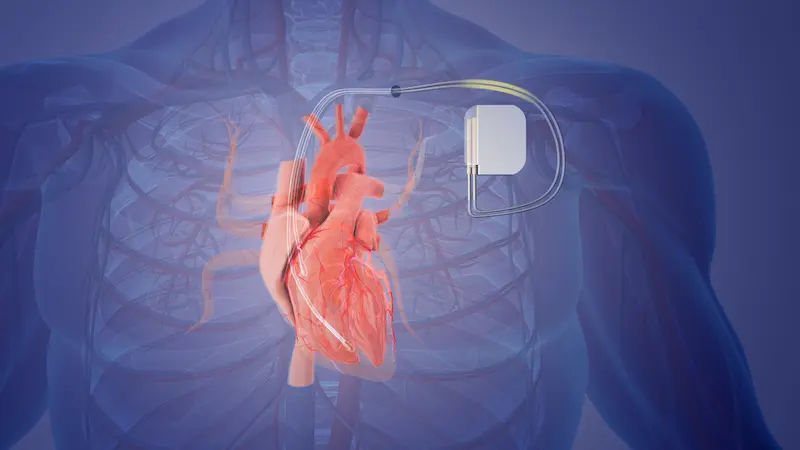
my 65 year old mom is very weak and one doctor recommended a pacemaker followed by stents but others are saying bypass surgery is the only option what are the pros and cons of each approach which would be safer for someone in her condition
pros are reduced chest pain,lowered risk of heart attack restoration of blood flow.Cons include infection,bleeding,delirium,arrhythmias.
Answered by 1 Apollo Doctors
Health Articles for you
View all

.webp)

Disclaimer: Answers on Apollo 247 are not intended to replace your doctor advice. Always seek help of a professional doctor in case of an medical emergency or ailment.