


- Male
- 27 Years
- 22/01/2025
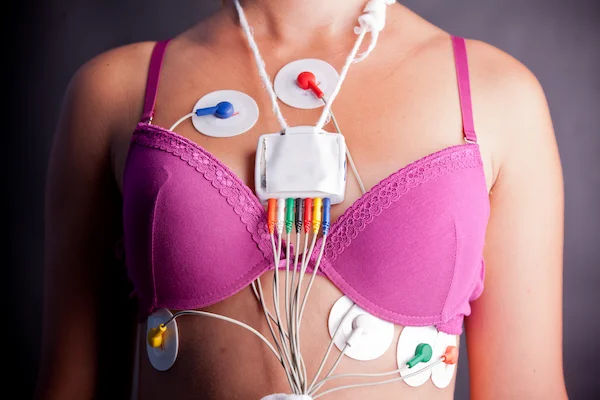
I'm a 27-year-old who's just gone through some heart tests like the ECHO, ECG, and Holter. The ECHO test showed something called grade 1 diastolic dysfunction, and the ECG came up with sinus tachycardia. Thankfully, the Holter test was normal. Should I be worried about these results? And is there a way to get the diastolic dysfunction back to normal?

Answered by 1 Apollo Doctors

based on your test results, it seems like you have grade 1 diastolic dysfunction, sinus tachycardia, and a normal Holter report. Grade 1 diastolic dysfunction is the mildest form of diastolic dysfunction and may not cause any symptoms. To help reverse diastolic dysfunction, it is important to focus on lifestyle changes such as maintaining a healthy weight, eating a balanced diet low in salt, exercising regularly, managing stress, and avoiding smoking and excessive alcohol consumption. In terms of medication, your doctor may prescribe medications such as ACE inhibitors like Lisinopril or ARBs like Losartan to help improve heart function. It is also important to follow up with your doctor regularly to monitor your condition and make any necessary adjustments to your treatment plan. If you have any concerns or notice any new symptoms, please consult your healthcare provider for further evaluation and management."
Dr. Dr Khaleel Suggests...
Consult a Cardiologist
Answered 04/07/2025
0
0

More Cardiology Health Queries
View allI've been feeling this weird sensation like my heart or something inside is vibrating. It's mostly in my chest and around that area. What could this mean? Should I be worried?
ecg and trop t are advised to the patient..


Answered by 1 Apollo Doctors
I've been experiencing this really painful, pinching sharp heartache that makes it hard to breathe. It's mostly in the upper part of my left chest and lasts around 2 minutes. It's happened a couple of times even when I was on an empty stomach or just had some warm lemon water. I've had it at night before dinner too. I got some blood tests done, and they said my lymphocytes were high, but sugar was normal. I often feel short of breath while sitting too, and climbing stairs always makes me breathless. This month, its happened like three times. Do you have any ideas about what this could be?
Could be due to a condition called angina. Angina is chest pain or discomfort caused when your heart muscle doesn't get enough oxygen-rich blood. It may feel like pressure or squeezing in your chest. Given your symptoms and the fact that it has occurred multiple times, it is important to consult a healthcare professional for a proper evaluation and diagnosis. However, based on the information provided, you may benefit from taking medications such as Nitroglycerin sublingual tablets for immediate relief during episodes of chest pain. The usual dosage is 0.3 to 0.6 mg sublingually or chewed at the first sign of chest pain. Additionally, you may also be prescribed medications like Aspirin to prevent blood clot formation and reduce the risk of heart attack. The usual dosage is 75-325 mg once daily. It is important to follow up with a healthcare provider for further evaluation and management of your symptoms.
Answered by 1 Apollo Doctors
I'm feeling alright, haven't noticed any issues but just out of curiosity, I wanted to check my heart rate with an oximeter. It's consistently showing between 110 and 115. Is this something to be concerned about? What's causing my heart rate to be like this?
Regarding your heart rate, a resting heart rate of 110-115 beats per minute is considered higher than normal, as typical resting heart rates usually fall between 60-100 beats per minute. There are many non-serious reasons for an elevated heart rate, including recent physical activity, stress, anxiety, caffeine consumption, dehydration, or certain medications. However, since this seems to be a persistent reading and you're concerned enough to ask about it, I recommend scheduling an appointment with a healthcare provider for proper evaluation. They can perform a physical examination, review your medical history, and determine if any underlying conditions need to be addressed. While using an oximeter at home can be helpful, it's best to have a medical professional interpret these readings in the context of your overall health.
Answered by 1 Apollo Doctors
Health Articles for you
View all


Disclaimer: Answers on Apollo 247 are not intended to replace your doctor advice. Always seek help of a professional doctor in case of an medical emergency or ailment.