


- male
- 32 Years
- 29/01/2025
I've been experiencing some concerning health issues lately and could really use some guidance. I'm 32, from Hyderabad, and generally healthyI don't smoke and only drink beer like once in every three or four months. I used to be really active with running, climbing, and cycling, even training for triathlons. But around five months ago, I started having chest pain that spreads to my back and left arm, especially when I'm lying down. Despite having had an ECG, echo, TMT, troponin, and a CT angiography, all these tests came back negative. The only thing I've been diagnosed with is high heart rate, for which I'm on medication. This has helped bring down the chest pain but not completely. Now, for the past month, I've had intense headaches and dizziness that make me feel like I might just collapse. Last night was particularly bad with the headache and chest pain. I'm really worried and not sure how to proceed. Could you advise on what might be causing this and what I should do next?

Answered by 1 Apollo Doctors

It sounds like you are experiencing a combination of chest pain, back pain, left arm pain, headaches, and dizziness. Since your cardiac tests have come back negative and you are already being treated for high heart beats, it is important to consider other possible causes for your symptoms. The chest pain, back pain, and left arm pain could be related to musculoskeletal issues or nerve impingement. For your headache and dizziness, it may be helpful to explore the possibility of migraines or other neurological conditions. I recommend trying a medication like Acetaminophen for your headache and pain relief. For your ongoing chest pain, back pain, and left arm pain, you can try a muscle relaxant like Cyclobenzaprine. Additionally, for your high heart beats, you can continue with the medication prescribed by your doctor. However, it is important to follow up with your healthcare provider to discuss these new symptoms and explore further evaluation or treatment options.
Dr. Dr Khaleel Suggests...
Consult a Cardiologist
Answered 04/07/2025
0
0

More Cardiology Health Queries
View allI'm worried because about a month ago he got dizzy during the night and fell when he got up to use the washroom. Afterward, he felt sweaty but didn't have any chest pain. The next day, his blood pressure was really high at 180110 and his sugar levels were up too. The doctor mentioned RWMA but everything else looked good, and they're suggesting an angiography. Is that really necessary, or are there other options we could consider? He's never had issues like this before, and it all started a month ago when he began these medications: Zilarta 40, Metsmall 1000, Rosurica A 75, and Synx 500. What do you think?
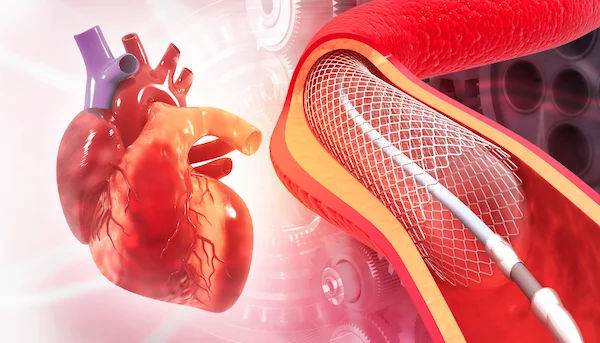
The symptoms of dizziness, sweating, high blood pressure (180110), and elevated sugar levels, along with the doctor's recommendation for angiography, indicate a need for further evaluation of the cardiovascular system. Angiography is a common procedure used to visualize the blood vessels and identify any blockages or abnormalities in the heart. Given the patient's symptoms and test results, angiography may be necessary to assess the extent of any potential heart-related issues, such as coronary artery disease. It is important to follow the doctor's recommendation for further evaluation and treatment to ensure the best possible outcome for the patient's health.


Answered by 1 Apollo Doctors
I've noticed my heart rate has been pretty low for the past couple of days, like around 55 beats per minute when I'm just resting or sleeping. Should I be worried about this, or is it normal?
Slow heart rate can be concerning, especially if it persists for a few days. A heart rate of 55 beats per minute or above at rest or during sleeping time may indicate bradycardia. It is important to identify the underlying cause of this slow heart rate. Some common causes of bradycardia include medication side effects, electrolyte imbalances, heart disease, or an underactive thyroid gland. If you are experiencing symptoms such as dizziness, fainting, chest pain, or shortness of breath along with the slow heart rate, it is important to seek medical attention promptly. Your doctor may recommend further evaluation, which may include an electrocardiogram (ECG) or other tests to determine the cause of the bradycardia. In some cases, medication may be prescribed to help regulate the heart rate. However, the specific treatment will depend on the underlying cause of the slow heart rate. It is important to follow up with your healthcare provider for a proper evaluation and management plan.
Answered by 1 Apollo Doctors
I'm feeling these weird thud-like sensations in my chest that are really making me uneasy. I've already had a Holter monitor, echo, ECG, and TMT done, all of which came back normal. What's my next step to address this issue?
Thud sounds in the chest can be concerning, even if your heart tests have come back normal. It's important to rule out any underlying issues. In this case, you can try taking a beta-blocker medication like Metoprolol (25-50mg) once daily. Beta-blockers can help reduce the sensation of thud sounds in the chest by slowing down the heart rate and reducing its workload. However, it's important to consult with your healthcare provider before starting any new medication.
Answered by 1 Apollo Doctors
Health Articles for you
View all

Disclaimer: Answers on Apollo 247 are not intended to replace your doctor advice. Always seek help of a professional doctor in case of an medical emergency or ailment.