- Male
- 64 Years
- 22/01/2025
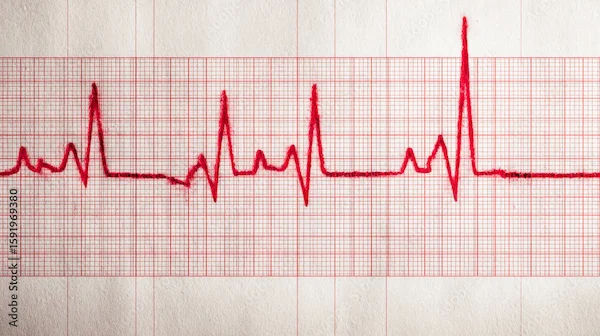
I'm 64 and have been dealing with some wheezing and trouble breathing, so I went to see the doctor. They did an ECG, and it came back showing sinus tachycardia and a right bundle branch block. Is this something I should be worried about?
Answered by 1 Apollo Doctors
Cardiologist opinion is advised to the patient.
Dr. Kareemulla Suggests...
Consult a Cardiologist
Answered 04/07/2025
0
0

More Cardiology Health Queries
View allSo I've been having this cough for the last couple of days and it's making my heart race and flutter, even when I'm trying to sleep. I got some tests done like an ECG, echo, and chest X-ray back in March. Should I be doing all those tests again? Every time I cough, it feels like my heart is either trying to jump out or like it's getting all tight, and it's really freaking me out. There's also this pain now and then, plus twitching in my feet and neck, and it's making me super anxious about my health. Is Benadryl syrup gonna help with all this? I'm also burping a lot, and my heart feels like it's pounding out of my chest. With all those tests coming back normal before, Im just wondering if I need to repeat them. And while I'm at it, what exactly is the main reason people get heart attacks? It's been like this since February, and I'm feeling really low and freaked out. My blood pressure is usually 11090 and my pulse is often above 100. I'm 25, by the way. Any ideas what's up with all this?
The fluttering and pounding sensation in your heart could be related to the increased pulse rate and coughing. Given your history of normal tests in March, it may be beneficial to consult with a doctor for a thorough evaluation. Benadryl syrup may help with some symptoms, but it is important to address the underlying cause. Considering your symptoms and history, it is advisable to try a combination of medications. You can take Benadryl syrup for cough relief and consider taking a proton pump inhibitor like Omeprazole 20mg for burping. Additionally, you can take Propranolol 10mg for heart palpitations. However, it is crucial to consult with a healthcare professional before starting any new medication. The main reason for a heart attack can be due to various factors such as smoking, high blood pressure, high cholesterol, obesity, lack of physical activity, and stress. It is essential to maintain a healthy lifestyle to reduce the risk of heart attacks, especially at a young age. If your symptoms persist or worsen, please seek medical attention promptly for further evaluation and management.
Answered by 1 Apollo Doctors
I've been experiencing this really painful, pinching sharp heartache that makes it hard to breathe. It's mostly in the upper part of my left chest and lasts around 2 minutes. It's happened a couple of times even when I was on an empty stomach or just had some warm lemon water. I've had it at night before dinner too. I got some blood tests done, and they said my lymphocytes were high, but sugar was normal. I often feel short of breath while sitting too, and climbing stairs always makes me breathless. This month, its happened like three times. Do you have any ideas about what this could be?
Could be due to a condition called angina. Angina is chest pain or discomfort caused when your heart muscle doesn't get enough oxygen-rich blood. It may feel like pressure or squeezing in your chest. Given your symptoms and the fact that it has occurred multiple times, it is important to consult a healthcare professional for a proper evaluation and diagnosis. However, based on the information provided, you may benefit from taking medications such as Nitroglycerin sublingual tablets for immediate relief during episodes of chest pain. The usual dosage is 0.3 to 0.6 mg sublingually or chewed at the first sign of chest pain. Additionally, you may also be prescribed medications like Aspirin to prevent blood clot formation and reduce the risk of heart attack. The usual dosage is 75-325 mg once daily. It is important to follow up with a healthcare provider for further evaluation and management of your symptoms.
Answered by 1 Apollo Doctors
I'm a bit concerned about my recent ECG results. It mentioned something like 800 sinus rhythm, and I'm not really sure what that means. Also, my blood pressure showed up as 13084. Is this considered normal?
800 sinus rhythm means that the heart is beating at a normal rate and rhythm, typically between 60-100 beats per minute. A heart rate of 800 would be abnormally high and would be a cause for concern. As for the ECG being normal, without seeing the actual ECG tracing, I cannot provide a definitive answer. However, sinus rhythm is considered normal on an ECG. Regarding your blood pressure of 13084, this is considered prehypertension. If you have no other medical conditions and are not experiencing any symptoms, it may not require immediate treatment. However, it is important to monitor your blood pressure regularly and make lifestyle changes such as a healthy diet, regular exercise, and stress management. If you are experiencing any symptoms or have concerns about your ECG or blood pressure, it is best to follow up with your healthcare provider for further evaluation and management.
Answered by 1 Apollo Doctors
Disclaimer: Answers on Apollo 247 are not intended to replace your doctor advice. Always seek help of a professional doctor in case of an medical emergency or ailment.