


- Male
- 23 Years
- 22/01/2025
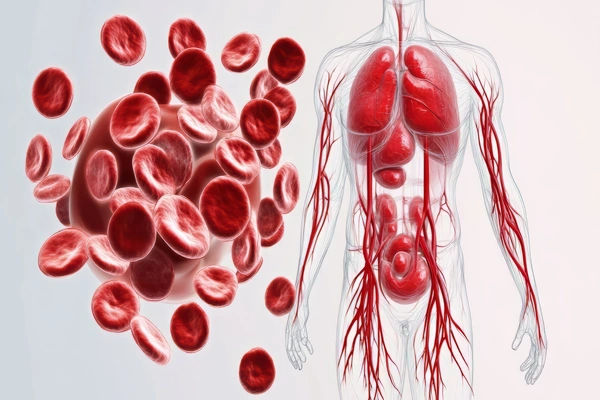
I'm a bit concerned after getting my blood test results. My hemoglobin level showed up at 17.7, which I've read could mean I have polycythemia. Do you think I should see a specialist about this? And if so, what kind of specialist would be the right one to get in touch with? I'm also curious about what might be causing this condition.

Answered by 1 Apollo Doctors

A hemoglobin level of 17.7 is indeed high and may indicate polycythemia, a condition that requires medical attention; it's essential to consult a specialist, specifically a hematologist (blood disorder specialist), to confirm the diagnosis, rule out underlying causes such as chronic hypoxia, sleep apnea, or kidney tumors, and develop a treatment plan to prevent potential complications like blood clots and strokes.
Dr. Mubarak Suggests...
Consult a Haematologist
Answered 04/07/2025
0
0

More Haematology Health Queries
View allI'm really low on B12 and I'm wondering what medications I should be taking. Also, can you tell me what Folcure 5 is used for and if there's any reason I should consider Matilda ForteHosit? I'm just trying to figure out the best way to handle this.
consult doctor


Answered by 1 Apollo Doctors
I've recently had a blood test, and I'm a bit worried because my ESR is pretty high at 56mm, and my MCH and MCHC levels are low. What could this mean? Should I be concerned about anything in particular? I'd really appreciate any advice you could give me.
if you have low hemoglobin then you might be anemic. take foods with rich iron
Answered by 1 Apollo Doctors
I've been noticing some random bruising on my left leg and other areas of my body, and there's no pain or any injury that I can think of. They just show up without any warning. I'm also experiencing delayed periods and was wondering if these might be related in some way? On top of that, I've been diagnosed with vertigo. Could there be any connection between these symptoms? It's all starting to worry me a bit.
Burning Sole, Chronic Fatigue, and Associated Symptoms _Possible Underlying Conditions_ 1. _Vitamin deficiencies_: Vitamin B12, iron, or magnesium deficiencies can cause burning sensations, fatigue, and neurological symptoms. 2. _Diabetes or prediabetes_: Nerve damage (neuropathy) can cause burning sensations in the feet. 3. _Thyroid disorders_: Hypothyroidism (underactive thyroid) can cause fatigue, hair loss, and cognitive impairment. 4. _Anemia_: Iron-deficiency anemia can cause fatigue, hair loss, and cognitive impairment. 5. _Neurological conditions_: Conditions like peripheral neuropathy, multiple sclerosis, or fibromyalgia can cause burning sensations, fatigue, and cognitive impairment. _Recommended Tests_ 1. _Complete Blood Count (CBC)_: To check for anemia, vitamin deficiencies, and infection. 2. _Blood glucose and HbA1c_: To check for diabetes or prediabetes. 3. _Thyroid Function Tests (TFTs)_: To check for thyroid disorders. 4. _Vitamin B12 and iron levels_: To check for deficiencies. 5. _Nerve conduction studies (NCS) and electromyography (EMG)_: To check for nerve damage. _Treatment and Management_ 1. _Address underlying conditions_: Treat any underlying conditions, such as vitamin deficiencies or thyroid disorders. 2. _Pain management_: Use pain-relieving medications or alternative therapies like acupuncture or physical therapy. 3. _Lifestyle modifications_: Maintain a healthy diet, exercise regularly, and manage stress. _Consult a Specialist_ 1. _Neurologist_: For evaluation and management of neurological symptoms. 2. _Endocrinologist_: For evaluation and management of thyroid disorders or diabetes. 3. _Primary care physician_: For ongoing monitoring and management of your condition.
Answered by 1 Apollo Doctors
Health Articles for you
View all
.webp)


Disclaimer: Answers on Apollo 247 are not intended to replace your doctor advice. Always seek help of a professional doctor in case of an medical emergency or ailment.