


- Male
- 55 Years
- 22/01/2025
I'm a bit worried because my doctor mentioned that I have an irregular heartbeat. Is this something normal or should I be concerned about it? Can you tell me if this might cause any problems?

Answered by 1 Apollo Doctors

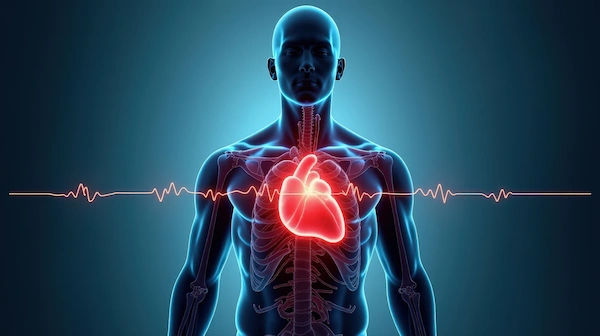
An irregular heartbeat, also known as arrhythmia, can be normal and harmless in some cases, but it can also indicate an underlying condition, such as atrial fibrillation, heart valve problems, or electrolyte imbalances; consult your doctor to determine the cause and appropriate treatment, as some arrhythmias can increase the risk of stroke, heart failure, or other complications.
Dr. Kareemulla Suggests...
Consult a Cardiologist
Answered 04/07/2025
0
0

More Cardiology Health Queries
View allMy recent CRP levels came back high, and I'm pretty worried about what that means for my health. Is there a chance this could lead to something like a heart attack or even cancer? I'm not sure what steps I should take next. Could you give me some advice on how to handle this?
Elevated CRP levels can indicate inflammation in the body, but it is not specific to any particular condition such as cardiac arrest or cancer. It is important to consult with a healthcare provider for a proper evaluation and diagnosis. In the meantime, you can consider taking over-the-counter pain relievers such as acetaminophen (Tylenol) to help with any discomfort. Make sure to follow the recommended dosage instructions on the packaging.


Answered by 1 Apollo Doctors
I've got some concerns about my recent lipid profile results. My LDL cholesterol came back at 135.8 mgdl and my total cholesterol is 209.1 mgdl. Should I be worried that this indicates a serious health problem? If it's something to be concerned about, what steps can I take to address it?
Having LDL cholesterol levels above 130 mgdl and total cholesterol levels above 200 mgdl can increase your risk of heart disease. To manage your cholesterol levels, you can start by making lifestyle changes such as following a healthy diet low in saturated fats and cholesterol, exercising regularly, maintaining a healthy weight, and avoiding smoking. In addition to lifestyle changes, your doctor may prescribe medication to help lower your cholesterol levels. One common medication used to lower LDL cholesterol is Atorvastatin, which is usually prescribed at a starting dose of 10-20 mg once daily. It is important to take the medication as prescribed and follow up with your doctor regularly to monitor your cholesterol levels.
Answered by 1 Apollo Doctors
I've been dealing with some health issues for a while now and I'm getting a bit concerned. It's been nearly 80 days since I first had a fever and lost my sense of smell, although those symptoms have improved. My CBC, ESR, and CRP tests came back normal, but about two weeks after my initial symptoms started, I began experiencing chest pain. The chest pain has mostly gone away, but every now and then it returns, and I still feel this tightness and heaviness in my chest. I haven't had any shortness of breath, and my SpO2 levels are between 96 and 98 after a six-minute walk. An ECG has been done, and the cardiologist said it's normal, diagnosing the pain as muscular. I just had a chest X-ray today, and I'm curious if it's normal. Also, my left nostril sometimes gets blocked, making it difficult to breathe comfortably. Can you please help me understand when I might start feeling like myself again?
Probable diagnosis is GERD .Patient is advised tab pan d ,orally for 14 days and syrup sucralfate 10 ml thrice daily for 7 days .
Answered by 1 Apollo Doctors
Health Articles for you
View all.webp)


Disclaimer: Answers on Apollo 247 are not intended to replace your doctor advice. Always seek help of a professional doctor in case of an medical emergency or ailment.