


- female
- 35 Years
- 22/01/2025
I'm dealing with this strange chest pain situation on my left side. It's kind of like a sharp electric shock that lasts for about 12 seconds, then it's just gone. The spot where it happens is almost always the same, and it's been randomly showing up and disappearing for the last 10 days. Could you help me figure out what this might be?

Answered by 1 Apollo Doctors

This type of chest pain could be indicative of a condition called costochondritis, which is inflammation of the cartilage that connects a rib to the breastbone. To help alleviate the pain, you can take over-the-counter pain relievers such as ibuprofen (Advil) 400mg to 800mg every 6 hours as needed for pain relief. It is important to rest and avoid activities that worsen the pain. If the pain persists or worsens, it is recommended to follow up with a healthcare provider for further evaluation and management.
Dr. Chandra Suggests...
Consult a Cardiologist
Answered 04/07/2025
0
0

More Cardiology Health Queries
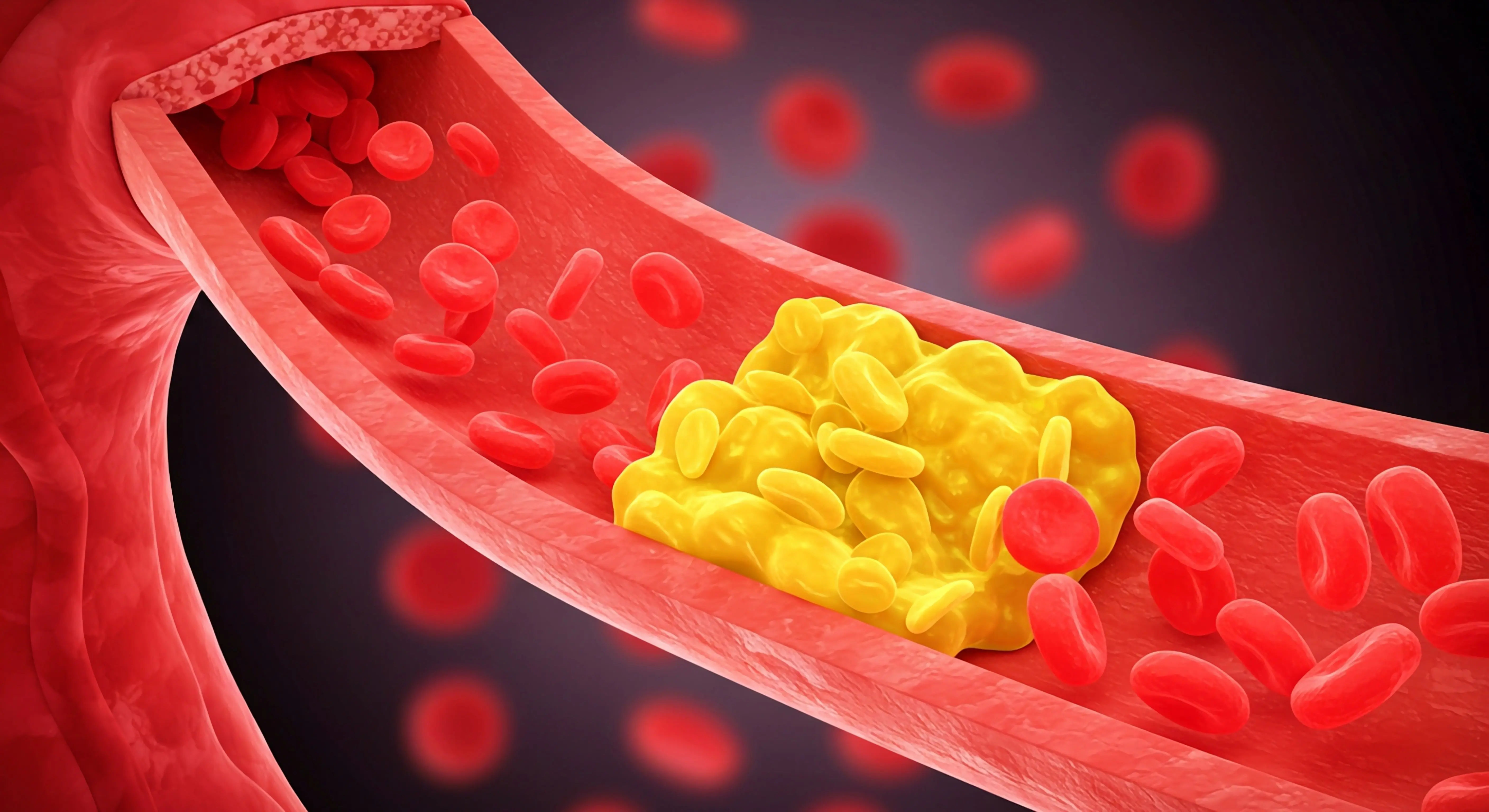
View allI'm really concerned about my triglyceride levels, which are over 700 mgdL. Could you advise me on what foods I should be eating or avoiding? Also, do you know what kind of medication I should consider?
For high triglyceride levels, it is important to follow a healthy diet and lifestyle. You should focus on consuming foods that are low in saturated fats, trans fats, and cholesterol. Foods rich in omega-3 fatty acids, such as fatty fish (salmon, mackerel, sardines), flaxseeds, and walnuts, can help lower triglyceride levels. Increase your intake of fruits, vegetables, whole grains, and lean proteins. Avoid or limit intake of sugary foods and beverages, refined carbohydrates, alcohol, and saturated fats (found in red meat, butter, cheese). It is also important to maintain a healthy weight and engage in regular physical activity. As for medication, your doctor may prescribe statins such as Atorvastatin or Rosuvastatin to help lower your triglyceride levels. They may also consider prescribing fibrates such as Fenofibrate or Omega-3 fatty acid supplements to help manage your triglycerides. It is important to follow your doctor's advice closely and make the necessary lifestyle changes to improve your triglyceride levels.


Answered by 1 Apollo Doctors
I'm having these frequent chest pains, and it's really stressing me out and leading to panic attacks. I went ahead and got a CT coronary angiography done, and the report came back saying my arteries are normal. Can I relax now and assume there aren't any heart-related issues, or is there something else I should be considering?
Hi, since your CT coronary angiography shows normal arteries, it is generally safe to assume that there are no significant heart-related issues causing your chest pain. However, it is always important to follow up with your healthcare provider for further evaluation and to discuss any other possible causes for your symptoms.
Answered by 1 Apollo Doctors
I'm really worried about my recent health check-up results. The report showed a positive TMT. Should I get further evaluation? I've attached the reports here.
An echo is advised to the patient.
Answered by 1 Apollo Doctors
Health Articles for you
View all


Disclaimer: Answers on Apollo 247 are not intended to replace your doctor advice. Always seek help of a professional doctor in case of an medical emergency or ailment.