


- female
- 30 Years
- 22/01/2025
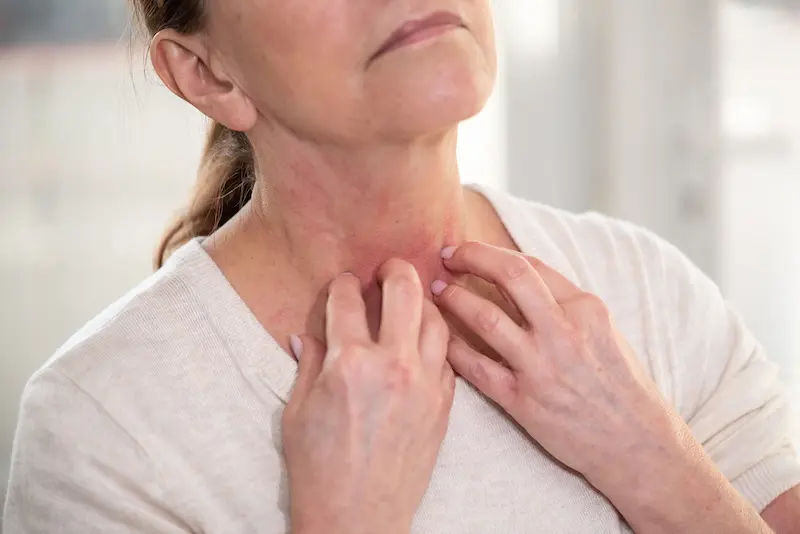
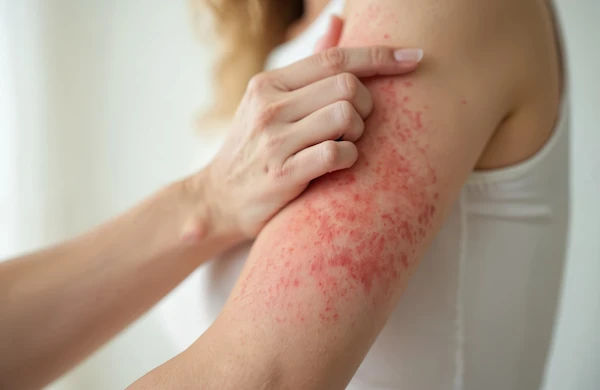
I'm experiencing this really frustrating issue where my skin starts itching about 45 days after I eat things like tur dal or chana dal. It's not just itching eitherthere's noticeable swelling, and it's super irritating. I've been taking cetirizine tablets to help with the itching, but they leave me feeling dizzy afterwards. Is there anything else I can do to manage these symptoms, or should I be avoiding certain foods altogether? I'm just not sure what steps to take next.

Answered by 1 Apollo Doctors

Here's a step-by-step approach to help you manage this issue:
Identifying the Cause
- Food allergy or intolerance: It's possible that you have a food allergy or intolerance to certain legumes like tur dal and chana dal.
- Histamine release: Cetrizine helps alleviate itching, but the dizziness side effect suggests that histamine release might be a contributing factor.
Dietary Changes
- Elimination diet: Try removing tur dal, chana dal, and other potential allergenic foods from your diet for 2-3 weeks to see if symptoms improve.
- Food diary: Keep a food diary to track which foods trigger itching and swelling.
Answered 04/07/2025
0
0

More Allergist and Clinical Immunologist Health Queries
View allDuring the cold season, I find I keep sneezing if I wake up around 7 am. It lasts for about an hour. But if I get up later, like after 8 or 9, it doesn't seem to bother me much. I'm kind of worried about what's causing this and what I can do to help it. Any thoughts?
Azeflo nasal spray sos for 5 days is advised to the patient.


Answered by 1 Apollo Doctors
I've been dealing with really frequent colds and sneezing fits, like, a couple of times a week, and it usually sticks around for a day or two. I'm also managing asthma with a beclate inhaler. Any idea on how I can get this under control?
Hello Kiran, your symptoms of frequent cold and sneezing may indicate allergic rhinitis, which is often associated with asthma. I recommend consulting your doctor to evaluate triggers and consider adding an antihistamine or nasal spray to your treatment plan. Keeping your asthma well-controlled is also essential.
Answered by 1 Apollo Doctors
I'm really worried about my wife's health. Her IgE level is over 3000, and I'm not sure what this means. Should I be concerned about this? What kind of specialist should I consult to understand whats going on and how we can address it?
Monitoring progress is crucial when treating lymph node tuberculosis (TB). Here are some indicators to assess your progress: *Clinical Indicators* 1. *Reduced swelling*: Lymph node swelling should decrease in size. 2. *Less pain*: Pain and tenderness in the affected area should subside. 3. *Improved overall health*: You should experience increased energy levels and a general feeling of well-being. *Laboratory Tests* 1. *ESR (Erythrocyte Sedimentation Rate) test*: This test measures inflammation. A decrease in ESR levels indicates improvement. 2. *CRP (C-Reactive Protein) test*: This test measures inflammation and infection. A decrease in CRP levels indicates improvement. 3. *Chest X-ray*: This test evaluates lung health. Improvement in lung condition indicates effective treatment. 4. *Sputum smear microscopy*: This test checks for TB bacteria in sputum. A negative result indicates treatment effectiveness. *Treatment Duration* Typically, lymph node TB treatment lasts for 6-9 months. Your doctor will assess your progress and adjust treatment duration accordingly. *Follow-up Appointments* Regular follow-up appointments with your doctor are crucial to monitor progress, adjust treatment, and address any concerns. After 2 months of treatment, you should start experiencing some improvement in symptoms. However, it's essential to continue treatment as prescribed and attend follow-up appointments to ensure complete recovery.
Answered by 1 Apollo Doctors
Health Articles for you
View all


Disclaimer: Answers on Apollo 247 are not intended to replace your doctor advice. Always seek help of a professional doctor in case of an medical emergency or ailment.