


- female
- 30 Years
- 23/01/2025
I'm going through IVF because of a tubal blockage, but it's not working out. Weve done more tests, and they show poor blood flow to my uterus and a thin lining. I'm worried and wondering if there are other ways, like acupuncture or Ayurveda, that could help. What do you think?

Answered by 1 Apollo Doctors

#NAME?
Dr. Mubarak Suggests...
Consult a Endocrinologist
Answered 04/07/2025
0
0

More Endocrinology Health Queries
View allI'm really worried about my wife Priyanka's health. She's 31 and her Vitamin D levels are down to 5.7 ngml, and her Vitamin B12 is at 89 pgml. I'm concerned about what kind of problems she might face with these low levels. What should we do to get her back on track?
.vitamin b12 deficiency can lead to anaemia, neuropathy, hyperpigmentation of knuckles, oral cavity, etc. Vitamin d deficiency can lead to osteoporosis, reduced calcium levels, make her susceptible to autoimmune disease like alopecia, diabetes, thyroid disorders. For treatment she can take 1. tablet becosules daily once after food in the afternoon for 1 month. 2. Tablet uprise d3 60000 IU once per week after food for 8 weeks. After completion of the tablets she repeat the investigations and check the levels.


Answered by 1 Apollo Doctors
How much water should a diabetic drink?
8 glasses of water per day add up to about 2 liters of water (67 ounces or just over half a gallon). As people with diabetes, drinking enough water is especially crucial. Even a little dehydration during the day (which is easier than we realize) can impact our blood sugars.
Answered by 1 Apollo Doctors
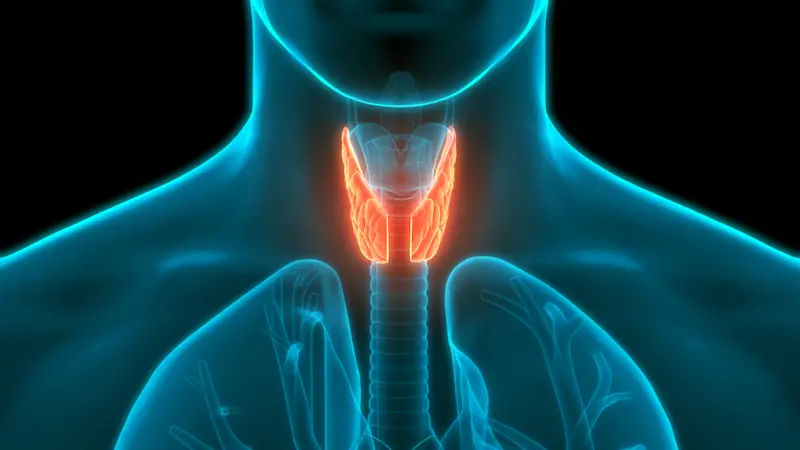
I'm really concerned about my wife's recent thyroid test results. Her T3 is 83, T4 is 3.8, and TSH is 57.57. What are the treatment options for a high TSH level like this?
The lab results indicate that your wife's Thyroid-Stimulating Hormone (TSH) level is elevated, suggesting hypothyroidism (underactive thyroid). Here are the common treatments for high TSH levels: *Medications* 1. *Levothyroxine (T4)*: Synthetic T4 hormone replacement medication, such as Synthroid, Levoxyl, or Tirosint. 2. *Liothyronine (T3)*: Synthetic T3 hormone replacement medication, often used in combination with T4. *Treatment Goals* 1. *Normalize TSH levels*: Aim for a TSH level between 0.5 and 5.0 UmL. 2. *Relieve symptoms*: Improve energy levels, mood, and overall well-being. 3. *Prevent long-term complications*: Reduce the risk of cardiovascular disease, osteoporosis, and other hypothyroidism-related complications. *Lifestyle Changes* 1. *Dietary modifications*: Ensure adequate iodine intake through foods like seafood, dairy, and iodized salt. 2. *Regular exercise*: Encourage regular physical activity to improve overall health and well-being. 3. *Stress management*: Practice stress-reducing techniques like meditation, yoga, or deep breathing exercises. *Follow-up* 1. *Regular blood tests*: Monitor TSH, T4, and T3 levels every 6-8 weeks to adjust medication dosages as needed. 2. *Adjust medication*: Work with your doctor to find the optimal medication dosage and combination to achieve normal TSH levels.
Answered by 1 Apollo Doctors
Health Articles for you
View all



Disclaimer: Answers on Apollo 247 are not intended to replace your doctor advice. Always seek help of a professional doctor in case of an medical emergency or ailment.