


- Male
- 38 Years
- 23/01/2025
I'm really concerned about how serious this is and what treatment options I should consider to get it under control. Could you suggest any medications that could help manage it quickly?

Answered by 1 Apollo Doctors

Possible Causes of High Blood Pressure in an 18-Year-Old:*
- Family history: If your family has a history of hypertension, it could contribute to your brother's condition.
- Lifestyle factors: Poor diet, lack of physical activity, stress, and inadequate sleep can all impact blood pressure.
- Underlying medical conditions: Certain conditions, such as kidney disease, sleep apnea, or hormonal imbalances, can cause high blood pressure.
- Medication side effects: Some medications, such as birth control or certain antidepressants, can increase blood pressure.
Chest Pain and High Blood Pressure:
Mild chest pain can be related to various factors, including:
- Musculoskeletal issues: Tight muscles or poor posture can cause chest pain.
- Anxiety or stress: Stress can manifest physically, leading to chest pain.
- Gastrointestinal issues: Acid reflux, stomach ulcers, or other digestive problems can cause chest pain.
- Cardiovascular issues: Although less likely in an 18-year-old, cardiovascular problems like hypertension can contribute to chest pain.
Next Steps:
- Consult a specialist: Schedule an appointment with a cardiologist to review your brother's test results and provide personalized guidance.
- Monitor blood pressure: Regularly track your brother's blood pressure to ensure it's within a healthy range.
- Lifestyle modifications: Encourage your brother to adopt a healthy lifestyle, including a balanced diet, regular exercise, and stress management techniques
Dr. Dhankecha Suggests...
Consult a Rheumatologist
Answered 04/07/2025
0
0

More Rheumatology Health Queries
View allI'm trying to make sense of my blood report, and I'm a bit worried. It showed 60mmhr ESR and 45 lymphocytes. I learned a bit about ESR, but I'm not sure what steps I should take next. I've also been dealing with sinusitis, headaches at the back of my head, shoulder pain, and occasional dizziness that makes walking tough. My urine test came out normal, but I'm unsure what other tests I should consider. Could you help guide me on what to do next?
Consult a specialist, such as an ENT doctor, rheumatologist, or immunologist, to discuss your elevated ESR (60mmhr) and lymphocytes (45%) levels, and symptoms like sinusitis, headache, shoulder pain, giddiness, and difficulty walking, and they may recommend further tests, such as CRP, ANA, RF, vitamin B12, and MRI or CT scans, to rule out underlying conditions like infections, autoimmune disorders, or neurological issues, and develop a personalized treatment plan.


Answered by 1 Apollo Doctors
I'm really worried about my mom. She's 38, and for the past two years, she's been dealing with knee joint pains. She's not too keen on going to the hospital, but the pain isn't too severe. Last year, the doctor told her that her knee joint's starting to rub after a scan. He also suggested she try to lose some weight. The pain gets worse when she walks a lot or climbs stairs frequently. I usually apply oil to her legs, and sometimes she wears a knee cap. The pain is more intense in one leg than the other. Can you suggest some ways to help reduce her pain and maybe offer some diet advice?
To alleviate your mom's knee joint pain, suggest she: loses weight (aiming for 55-60 kg) through a balanced diet and exercise like walking, swimming, or yoga; strengthens surrounding muscles through physical therapy or exercises like squats, lunges, and leg press; uses proper footwear, knee caps, and walking aids as needed; applies heat or cold therapy; and considers alternative therapies like acupuncture or massage. Dietary recommendations include: increasing omega-3 fatty acids (found in fish, nuts, and seeds), vitamin D (dairy, sunlight), and calcium (dairy, leafy greens) intake; avoiding processed foods, sugar, and saturated fats; and drinking plenty of water.
Answered by 1 Apollo Doctors
My ESR rate came back as 20.5. Is that considered normal or high for a 23-year-old male? Ive also been feeling tired, dizzy, and sometimes have trouble breathing. My hemoglobin is 14, which I know is normal, but could these symptoms be related to my ESR?
An ESR (Erythrocyte Sedimentation Rate) of 20.5 is slightly elevated for a 23-year-old male, as the normal range is typically between 0-15 mmhr; combined with your symptoms of fatigue, dizziness, and breathing discomfort, it's essential to consult your doctor to rule out underlying conditions such as inflammation, infection
Answered by 1 Apollo Doctors
Health Articles for you
View all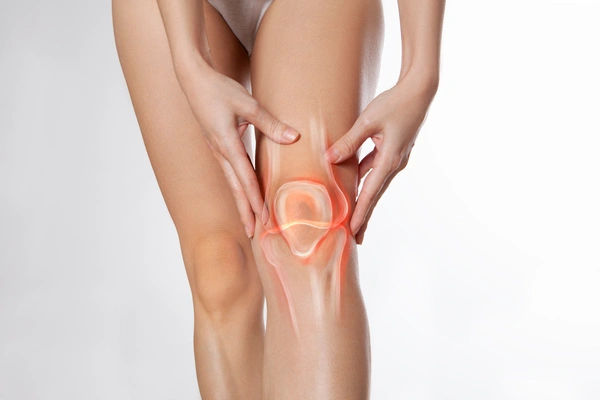




Disclaimer: Answers on Apollo 247 are not intended to replace your doctor advice. Always seek help of a professional doctor in case of an medical emergency or ailment.