


- Male
- 40 Years
- 22/01/2025
I'm really worried about heart health. Could you tell me what tests are usually done to find heart disease? And what are the early signs of a heart attack I should watch out for? Also, what can I do to prevent a heart attack from happening in the first place?

Answered by 1 Apollo Doctors

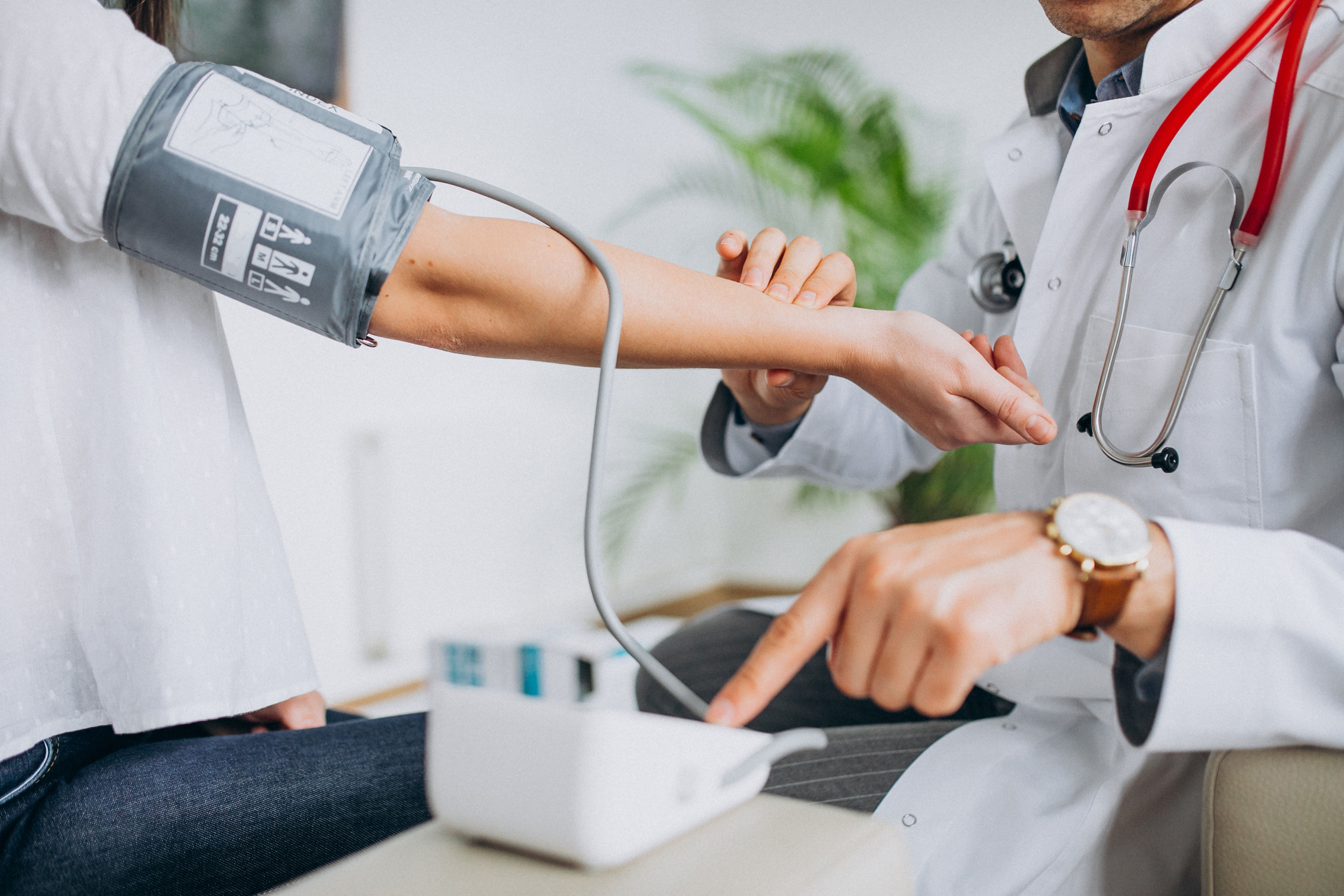
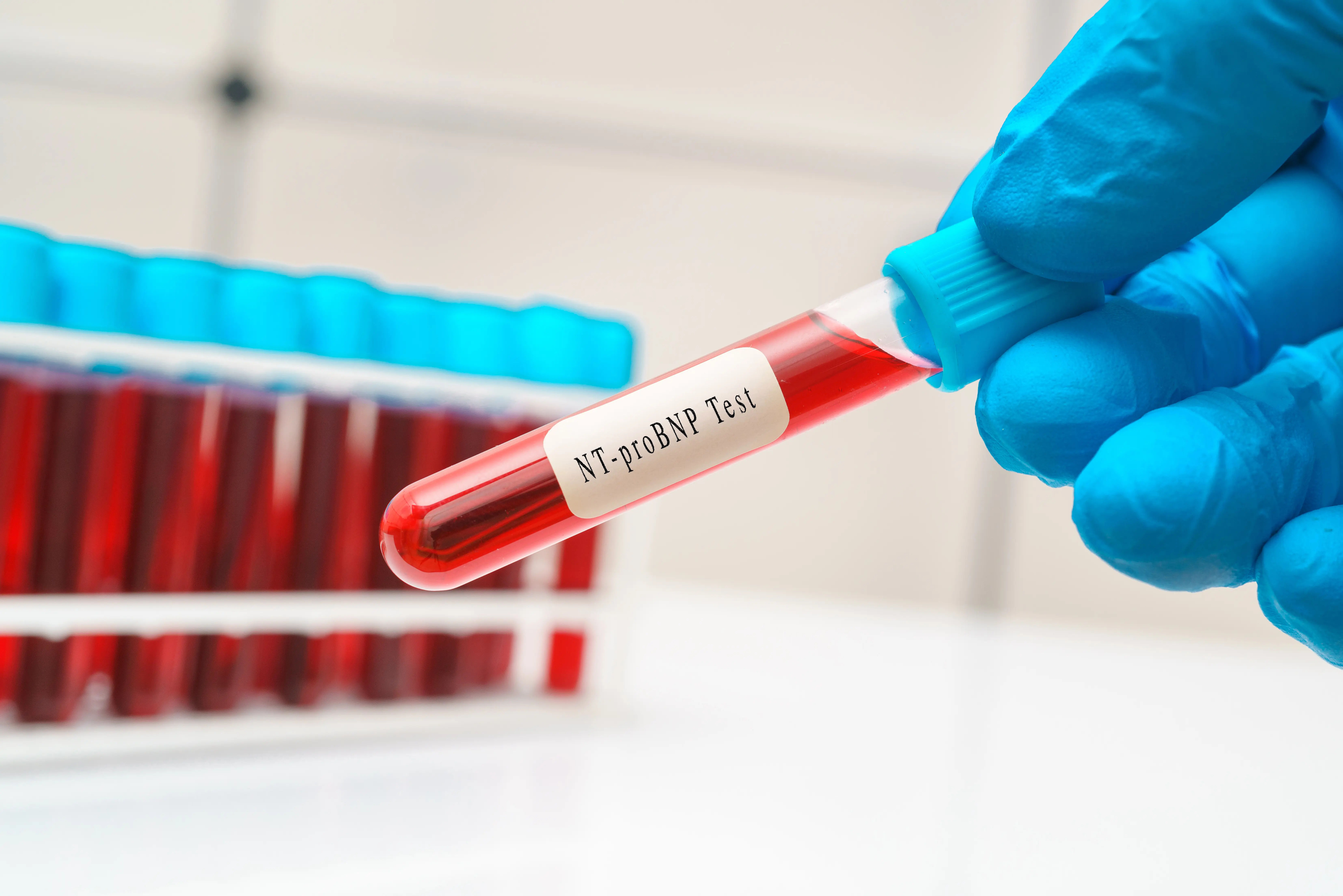
To detect heart disease in the body, tests such as Electrocardiogram (ECG), Echocardiogram, Stress test, Cardiac catheterization, and CT scan may be done. Symptoms of a heart attack may include chest pain or discomfort, upper body pain, shortness of breath, nausea, lightheadedness, and cold sweats. To prevent a heart attack, it is important to maintain a healthy lifestyle by exercising regularly, eating a balanced diet low in saturated fats, managing stress, avoiding smoking, and controlling conditions like high blood pressure and diabetes.
Dr. Anshul Suggests...
Consult a Cardiologist
Answered 04/07/2025
0
0

More Cardiology Health Queries
View allI'm really concerned because my heart pumping has reduced to 30. Is it better to start on medication right away or should I consider other treatments? Also, could yoga be an effective option for dealing with this issue? I could really use some guidance on this.
Heart pumping reduce to 30% can be a serious condition and may require medical intervention. To improve heart function and manage symptoms, I would recommend starting with medication such as Carvedilol at a dosage of 6.25mg twice daily, along with Lisinopril at a dosage of 10mg once daily. These medications can help improve heart function and reduce strain on the heart. In addition to medication, regular exercise, such as yoga, can also be beneficial. Yoga can help reduce stress, improve circulation, and strengthen the heart muscles. Poses such as the Mountain Pose, Warrior Pose, and Bridge Pose can be particularly helpful. However, it is important to consult with your healthcare provider before starting any new exercise regimen to ensure it is safe for your condition.


Answered by 1 Apollo Doctors
I'm really worried about my mom. Her heart starts beating really fast at night and I'm not sure what to do. It's kind of freaking me out. Can you help?
Palpitations can be caused by various factors. In this case, it is important to first consult a doctor for a proper diagnosis. However, to help alleviate the symptoms, you can consider giving your mother a beta-blocker medication such as Metoprolol. The usual dosage for palpitations is around 25-50mg once or twice daily, as prescribed by a healthcare professional. Additionally, it is important to ensure your mother is staying hydrated, managing stress levels, and getting adequate rest.
Answered by 1 Apollo Doctors
I've just had my routine check-up and my ECG results showed something called T wave inversion in the inferior leads. I'm a 34-year-old guy, pretty healthy overall, and I don't smoke or drink. Should I be worried about this? Is it something serious?
This finding can sometimes be a normal variant, especially in young healthy individuals like yourself who do not have any symptoms or risk factors such as smoking or drinking. However, it can also be associated with certain heart conditions. I recommend consulting with a cardiologist for further evaluation and monitoring. If no other concerning symptoms are present, no treatment may be necessary at this time.
Answered by 1 Apollo Doctors
Health Articles for you
View all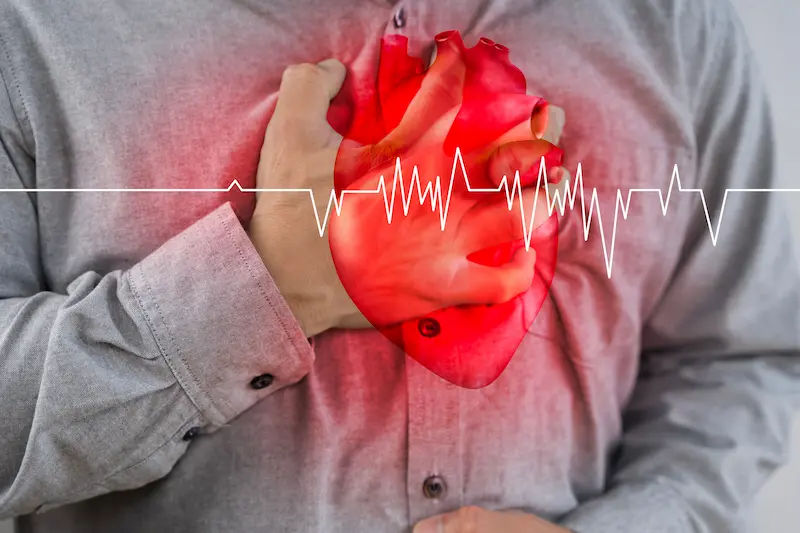
Disclaimer: Answers on Apollo 247 are not intended to replace your doctor advice. Always seek help of a professional doctor in case of an medical emergency or ailment.