


- male
- 50 Years
- 20/02/2025
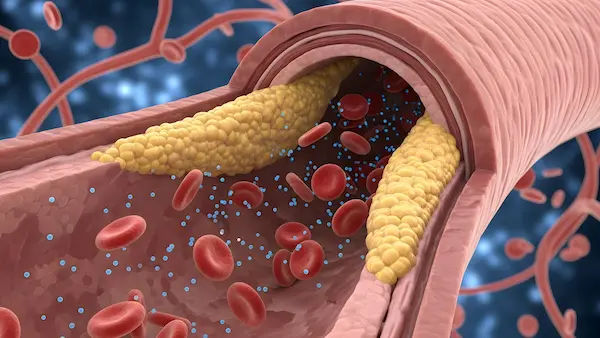
I'm really worried about my cholesterol levels. My total cholesterol is 258, LDL is 148, HDL is 61, and triglycerides are 244. Is it possible for me to lower these without medication? I'm feeling really stressed about this, any advice?

Answered by 1 Apollo Doctors

High cholesterol levels can be managed through lifestyle changes. Here are some tips to help reduce your cholesterol levels without medication: - Maintain a healthy diet low in saturated fats, trans fats, and cholesterol. Include plenty of fruits, vegetables, whole grains, and lean proteins. - Engage in regular physical activity such as brisk walking, jogging, or swimming for at least 30 minutes a day. - Maintain a healthy weight and avoid smoking. - Limit alcohol consumption. - Consider adding foods rich in omega-3 fatty acids, such as fatty fish or flaxseeds, to your diet. If lifestyle changes alone are not enough to lower your cholesterol levels, your doctor may prescribe medication. It's important to follow up with your healthcare provider for regular check-ups and monitoring of your cholesterol levels.
Dr. Mubarak Suggests...
Consult a Cardiologist
Answered 04/07/2025
0
0

More Cardiology Health Queries
View allI'm dealing with some pretty bad acid reflux after eating heavy masala foods. I've got this weird dhada sensation in my chest, so I got an ECG done. The results said something about a left axis and poor R progression. Is this something normal, or should I be worried? Would love some advice on what to do next!
It sounds like you may be experiencing acid reflux symptoms and chest discomfort. The ECG findings of Left axis poor R progression may indicate certain heart conditions, but it is important to correlate these findings with your symptoms and overall health status. To address your acid reflux symptoms, you can try taking Omeprazole (brand name Prilosec) 20mg once daily before breakfast for a few weeks. Additionally, you can take Gaviscon (antacid) as needed for immediate relief. It is also recommended to avoid spicy and heavy meals, eat smaller meals, and avoid lying down immediately after eating. If your symptoms persist or worsen, please follow up with your healthcare provider for further evaluation and management.


Answered by 1 Apollo Doctors
I've been feeling these twitching sensations in my chest for about 11.5 months now. It's like a really minor shock or spasm right in the center but a bit below my chest, and they last for less than a second. It used to happen less often, but in the last few days, it's been like 5 or 6 times a day, if not more. I've never felt anything like this before. I should probably mention I smoke, but not too heavily, and I've decided to quit after feeling these twitches. I used to go to the gym regularly before I quit a month ago, and I don't think I had this issue when I was lifting weights. I've also noticed that these twitches happen more if I haven't eaten or slept for a while, though that might just be a coincidence. It's stressing me out and making me really uncomfortable. Any ideas on what could be causing this or what I should do?
Visit your Physician for appropriate management
Answered by 1 Apollo Doctors
I'm feeling a constant headache and a heavy sensation in my head, plus my vision's a bit blurred. I took amlodipine 5 mg and Inderal 80 mg about 12 hours ago. Is it normal to still feel like this after taking these meds? Should I be worried about these symptoms or do I just need to give it more time?
u can take telma h 40+12.5 mg orally once daily for 1 month, salt restricted diet and DASH diet is advised..Review in opd after 1 weeek for BP MONITORING..
Answered by 1 Apollo Doctors
Health Articles for you
View all

Disclaimer: Answers on Apollo 247 are not intended to replace your doctor advice. Always seek help of a professional doctor in case of an medical emergency or ailment.