


- male
- 53 Years
- 20/02/2025
I'm really worried about my dad, he's 53 and just had a CABG bypass surgery. I noticed his platelet count shot up quite a bit, like it was 3.9 lakhs before surgery and now it's 9.3 lakhs, and Im concerned about whether thats normal after surgery. There wasn't any blood transfusion done. Can someone shed some light on what might be happening here?

Answered by 1 Apollo Doctors

It is not uncommon for platelet counts to be elevated after surgery, including coronary artery bypass grafting (CABG). This condition, known as postoperative thrombocytosis, typically occurs as a response to surgery and the body's healing process. However, a significant increase such as from 3.9 lakhs to 9.3 lakhs should be monitored closely by his healthcare team to rule out any complications.
I recommend discussing this with your father's cardiologist or primary care physician to ensure proper follow-up and management.
Dr. Shubham Suggests...
Consult a Cardiologist
Answered 25/07/2025
0
0

More Cardiology Health Queries
View allWhat are the best foods to eat to lower triglycerides?
Omega-3 rich fish include salmon, sardines, mackerel, herring, tuna, and halibut. Other foods that help lower triglycerides include fiber-rich foods such as oats, flax meal, and beans. Olive oil, especially when substituted for animal fats like butter or lard, is another food that can help lower triglycerides.


Answered by 1 Apollo Doctors
I've been having chest pain for the last 10 days and I'm really concerned because both my ECG and 2D Echo results came back normal. They mentioned something about PAH and mild TR. Could you please suggest what kind of medication or next steps I should consider?
Echo suggestive of tricuspid regurgitation , hence cardiologist opinion is advised for further management of the patient.
Answered by 1 Apollo Doctors
I'm really worried about these heart palpitations I've been having for the past six months. Whenever they happen, I rush to the hospital. The ECG showed atrial fibrillation, and that's got me concerned. Is this something dangerous that I need to be really worried about? Also, my 2D Echo results were normal. Can you help me understand what's going on?
Heart palpitations can be concerning, especially when associated with atrial fibrillation on ECG. Atrial fibrillation is a type of irregular heartbeat that can increase the risk of stroke and other heart-related complications. It is important to manage atrial fibrillation to prevent these complications. For atrial fibrillation, you can take medications such as Dabigatran (Pradaxa) to prevent blood clots and Metoprolol (Lopressor) to control heart rate. In some cases, electrical cardioversion or catheter ablation may be recommended. It's good that your 2D Echo is normal, but it's still important to follow up with your healthcare provider for further evaluation and management of your atrial fibrillation. Regular monitoring and treatment are essential to reduce the risk of complications.
Answered by 1 Apollo Doctors
Health Articles for you
View all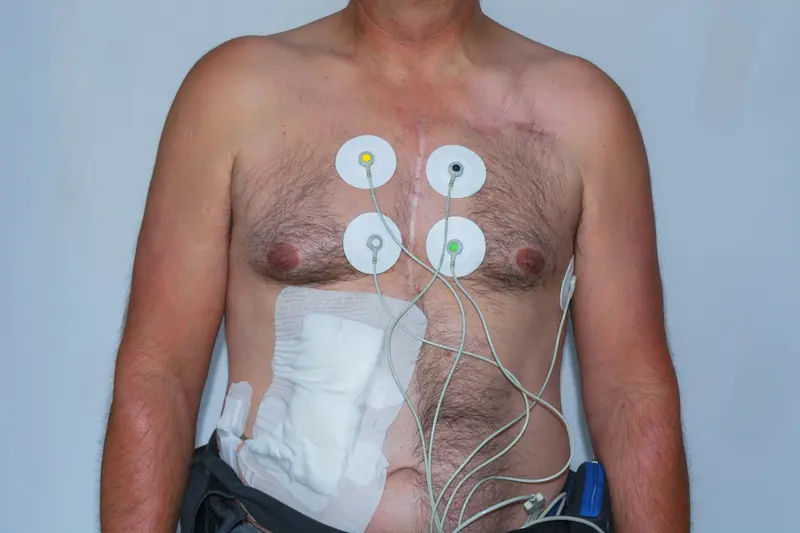
.webp)
Disclaimer: Answers on Apollo 247 are not intended to replace your doctor advice. Always seek help of a professional doctor in case of an medical emergency or ailment.