


- female
- 30 Years
- 22/01/2025
I'm really worried about my hair. It's become unevenly thick, super rough, and the texture is all bumpylike I can literally feel the bumps when I run my fingers through it. It used to be thick and healthy, and I haven't colored it or done anything drastic to it. This has been happening over the past few years and I just don't understand why. Do you have any idea what's causing this or maybe some natural treatments I could try?

Answered by 1 Apollo Doctors

Uneven hair thickness and rough texture can be frustrating.
Possible Reasons
- Protein imbalance: Hair is made of protein, and an imbalance can cause uneven texture.
- Moisture deficiency: Lack of moisture can lead to rough, brittle hair.
- Hair cuticle damage: Damage to the hair cuticle can cause bumps and rough texture.
- Nutritional deficiencies: Deficiencies in vitamins and minerals like biotin, vitamin E, and omega-3 fatty acids can affect hair health.
- Hormonal changes: Hormonal fluctuations can lead to changes in hair texture.
Natural Solutions
- Coconut oil treatment: Apply warm coconut oil to your hair, cover with a shower cap, and leave it on for 2-3 hours before washing.
- Banana and honey mask: Mash ripe banana and mix with honey. Apply to your hair and leave it on for 15-20 minutes before rinsing.
- Apple cider vinegar rinse: Mix equal parts water and apple cider vinegar as a final rinse after shampooing to balance your hair's pH.
- Biotin supplements: Consult with your doctor before taking biotin supplements to support hair growth and health.
- Use a wide-tooth comb: Gentle combing can help reduce breakage and tangles.
Dr. Anshul Suggests...
Consult a Dermatologist
Answered 04/07/2025
0
0

More Dermatology Health Queries
View allI've been getting these cyst-like things on my waist, mostly on one side. They fill up with pus and blood and stick around for about 35 days before they finally go away. It sometimes happens under my thighs too, but not as often. It's kind of worrying me. What could be causing this, and what should I do about it?
That could be bacterial infection,and needs physical examination,visit Dermatologist for appropriate management
read more![Doctor 1]()
![Doctor 2]()


Answered by 1 Apollo Doctors
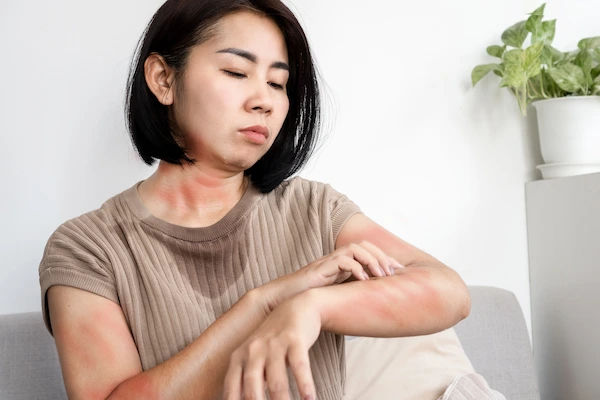
What causes skin rashes and itching?
Rash and itching can be cause by Allergens or irritants in the surrounding air, dry skin, insect bitees. It can also be due to common skin conditions such as Eczema.
read more![Doctor 1]()
![Doctor 2]()
Answered by 1 Apollo Doctors
I'm only 18 and my hair has started turning white. It's really worrying me. Is there any way to stop this from happening? I've heard about Ayurvedic solutionsdo you know if any of those might help with this situation?
#NAME?
read more![Doctor 1]()
![Doctor 2]()
Answered by 1 Apollo Doctors
Health Articles for you
View all

Disclaimer: Answers on Apollo 247 are not intended to replace your doctor advice. Always seek help of a professional doctor in case of an medical emergency or ailment.