


- Male
- 25 Years
- 07/02/2025
I'm really worried about my heart health. I've been told I have mild plaque in my LAD and right artery and was diagnosed with insignificant CAD. How much plaque build-up actually needs medication? I'm trying to understand when it becomes a serious issue. Can you help clarify this for me?

Answered by 1 Apollo Doctors

In cases of insignificant coronary artery disease (CAD) with mild plaque in the LAD and right artery, medication may still be recommended to manage risk factors and prevent progression of the disease. Common medications that may be prescribed include: 1. Statins (e.g. Atorvastatin) - to lower cholesterol levels and reduce the risk of plaque buildup. Dosage: Typically starting dose of Atorvastatin is 10-20 mg once daily. 2. Antiplatelet agents (e.g. Aspirin) - to prevent blood clots and reduce the risk of heart attack or stroke. Dosage: Aspirin is often prescribed at a low dose of 75-100 mg once daily. 3. Beta-blockers (e.g. Metoprolol) - to lower blood pressure and reduce the workload on the heart. Dosage: Metoprolol is commonly started at a dose of 25-50 mg once or twice daily. It is important to follow your healthcare provider's recommendations and attend regular follow-up appointments for monitoring and adjustment of medications as needed.
Dr. Anshul Suggests...
Consult a Cardiologist
Answered 04/07/2025
0
0

More Cardiology Health Queries
View allI'm having trouble sleeping on my back because my chest feels tight and I get some chest pain. Sometimes it even feels like I'm short of breath. Any tips on what I can do to fix this?
take tablet zerodol for 3 days


Answered by 1 Apollo Doctors
I'm a bit worried and curious if taking too much blood pressure medication might cause an abnormal EKG. Could there be something else causing this, or is it really the medication?
yes. Stress and exercises are other factors.
Answered by 1 Apollo Doctors
I'm curious about my heart rate, which seems to be consistently between 90 and 110 beats per minute. Is this natural, or should I be concerned about any possible heart issues? I don't have any known heart problems, but I'm wondering if it's something I should get checked out just to be safe. What do you think?
A heart rate of 90 to 110 beats per minute can be considered normal for adults at rest. However, it is always important to monitor your heart rate and consult with your healthcare provider for personalized advice. If you are looking to lower your heart rate for preventive measures, you can try medications like Metoprolol (brand name: Lopressor) at a dosage of 25-100mg per day as prescribed by your doctor.
Answered by 1 Apollo Doctors
Health Articles for you
View all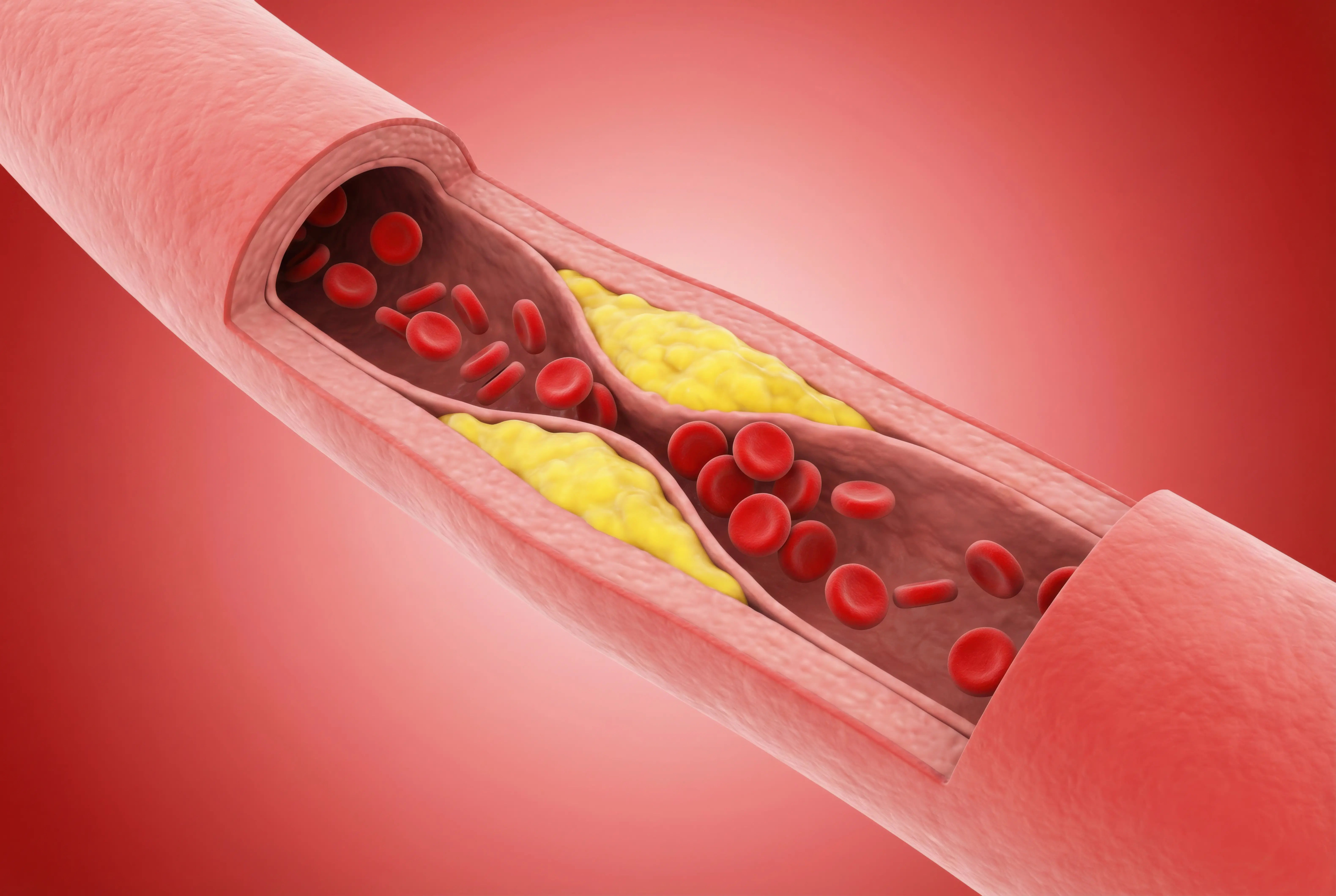


.webp)
Disclaimer: Answers on Apollo 247 are not intended to replace your doctor advice. Always seek help of a professional doctor in case of an medical emergency or ailment.