


- Female
- 34 Years
- 07/02/2025
I'm having this heaviness in my chest when I breathe in, and it's getting really intense when I lie down. It started right after I had dinner. Should I be worried about this? What could be causing it?

Answered by 1 Apollo Doctors

take tablet zerodol and tablet pantop for 3 days once a day
Dr. Anshul Suggests...
Consult a Cardiologist
Answered 04/07/2025
0
0

More Cardiology Health Queries
View allI've been dealing with some serious chest pain for the last five months, and along with that, I've been feeling really weak and fatigued. My stamina has dropped a lot, and I get tired super quickly. On top of that, my heart races really fast. My resting heart rate is usually around 80 to 90, but if I start walking, it shoots up to 120, and just climbing two floors slowly takes it to around 160. Is this something to worry about? I had an ECG done, and it came back normal, so I'm really confused about what's going on. Any insights on this would be really helpful.
Based on your symptoms and heart rate response to physical activity, it is important to rule out any underlying heart condition. You may be experiencing symptoms of angina or heart failure. I recommend you start taking a beta-blocker medication like Metoprolol (50mg) to help lower your heart rate and reduce chest pain. Additionally, you should also take a blood thinner like Aspirin (75mg) to prevent blood clots. It is important to follow up with a cardiologist for further evaluation and management.


Answered by 1 Apollo Doctors
I'm dealing with some chest pain and recently found out my blood pressure's been high at 14090 for the past two weeks, plus I've got high cholesterol. My doctor prescribed Rosuvas 10mg for the cholesterol but didn't give me anything for the blood pressure. Is it okay if I take EMBETA XR 50 along with Rosuvas just for a few days to manage the BP?
It is not advisable to take EMBETA XR 50 (Metoprolol) without consulting your doctor, especially since you have high blood pressure. Metoprolol is a beta-blocker that helps lower blood pressure and heart rate. It is important to have your blood pressure monitored regularly while taking this medication. If your doctor did not prescribe a blood pressure medication initially, it is best to follow up with them to discuss the need for adding EMBETA XR 50 to your current treatment plan.
Answered by 1 Apollo Doctors
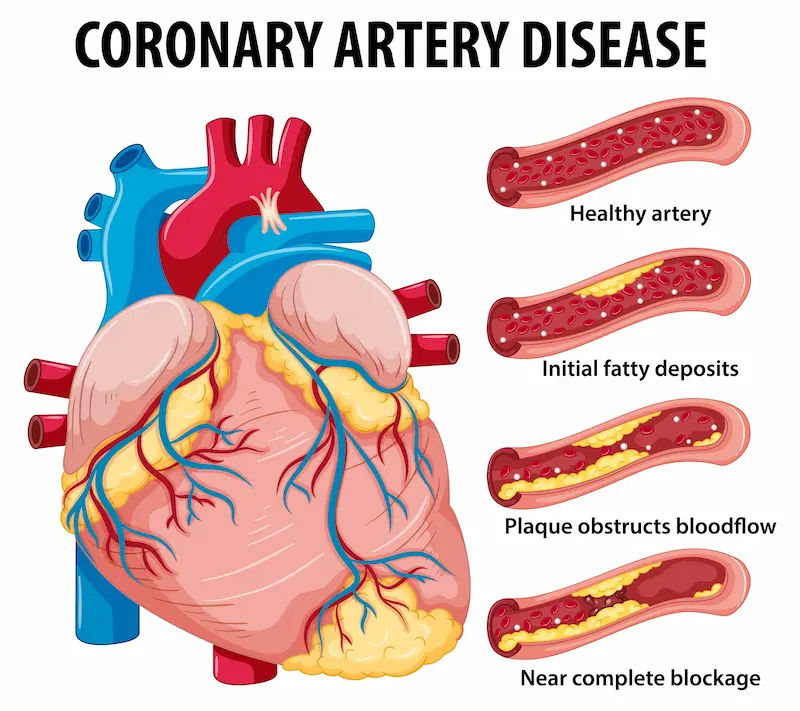
I'm really worried about having three blocked arteries in the heart. Is bypass surgery the best option for this situation, or are there other treatments I should consider? I've heard a lot about different procedures, but it's all a bit confusing. What do you recommend?
Yes, bypass surgery is often recommended for blockages in multiple arteries of the heart. The surgery involves creating new pathways for blood to flow to the heart muscle by using a healthy blood vessel from another part of the body or a synthetic tube. This can help improve blood flow to the heart and reduce symptoms such as chest pain and shortness of breath. The specific medication and dosage post-surgery will depend on individual factors and should be prescribed by your healthcare provider.
Answered by 1 Apollo Doctors
Health Articles for you
View all


Disclaimer: Answers on Apollo 247 are not intended to replace your doctor advice. Always seek help of a professional doctor in case of an medical emergency or ailment.