


- Female
- 61 Years
- 07/02/2025
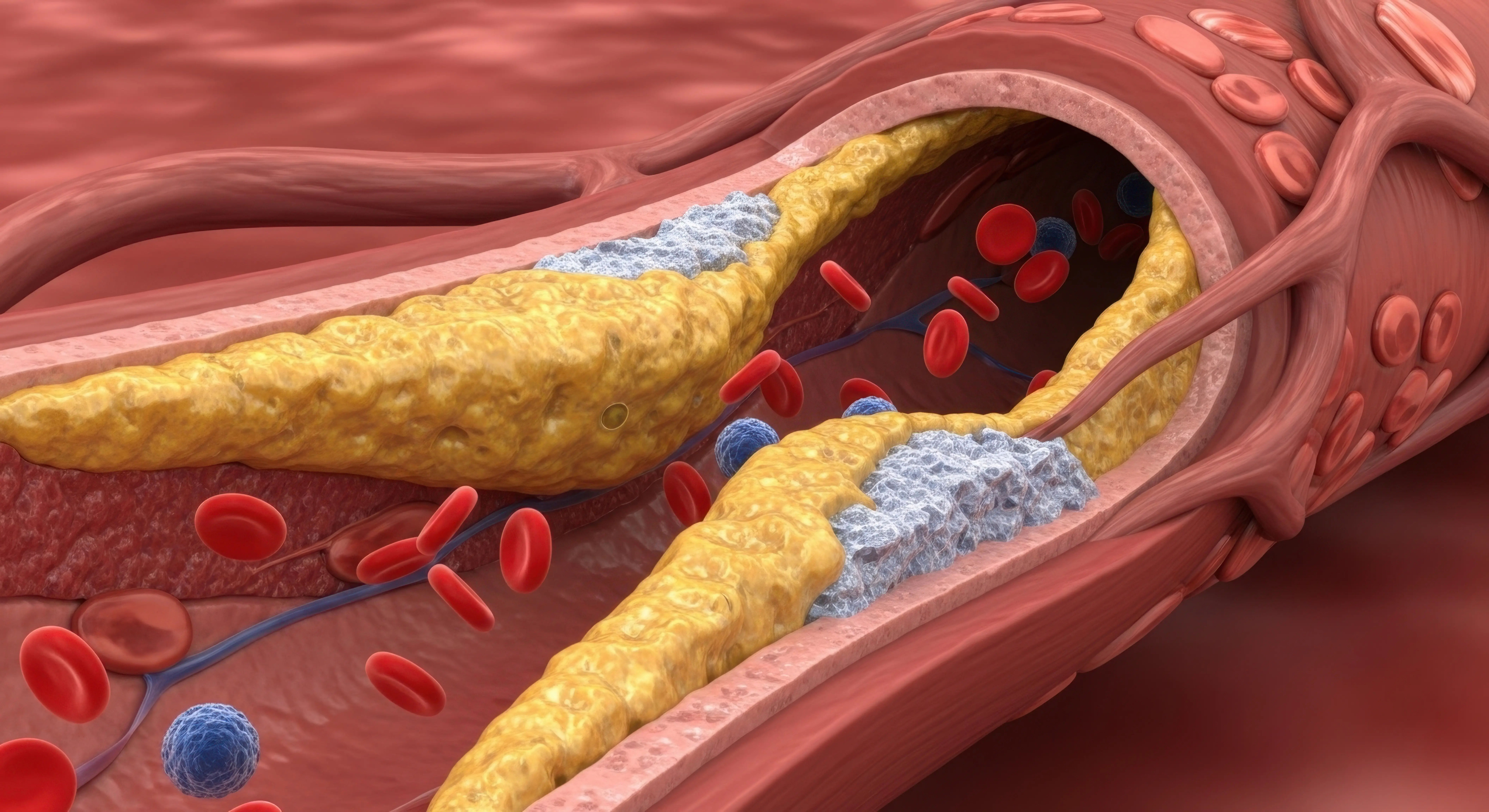
I'm really worried about my mom's health. Her doctor said she has a 90% blockage in one of her arteries, and they're suggesting she undergoes angioplasty. Is this really the only way to treat it, or are there other options we should consider? I'm just trying to make sure we're making the best choice for her.

Answered by 1 Apollo Doctors

You go for other investigation.
Dr. Ranjith Suggests...
Consult a Cardiologist
Answered 04/07/2025
0
0

More Cardiology Health Queries
View allI've recently had a TMT test done last month, and while I was on the treadmill, I started feeling really breathless and dizzy. It was kind of scary, but the doctor said the results were normal. I've got the TMT result attached. Is it common to feel like that even if the results come out okay, or should I be worried about something else?
normal finding tmt report.


Answered by 1 Apollo Doctors
I've been trying to eat better and exercise a bit more, but I'm worried because my triglyceride levels are still going up. Last year they were 286, and now they're 365. I've been taking fish liver oil and eating flax seeds regularly. Do you have any advice on what else I could do?
Statins and fibrates are medications that can help lower triglycerides. Statins primarily lower LDL (bad) cholesterol levels, but they can also modestly reduce triglycerides. Fibrates are specifically effective at lowering triglyceride levels
Answered by 1 Apollo Doctors
I'm reviewing my lipid profile report, and I'm a bit concerned. My triglycerides are at 203, total cholesterol is 238, LDL cholesterol is 158, HDL cholesterol is 39, and VLDL is 41. I'm not sure if these numbers are within normal range. I'm trying to manage my weight, which is currently 73kg, because I had some palpitations about four months ago. I'm on a diet now, but I'm worried about these levels. Could you guide me on whether these are normal and how I might improve them?
To improve your lipid profile, you can consider making lifestyle changes such as following a healthy diet, exercising regularly, and maintaining a healthy weight. To help improve your lipid profile, you can start taking a statin medication like Atorvastatin 20mg. It is important to continue with your diet and exercise regimen to see improvements in your lipid profile over time.
Answered by 1 Apollo Doctors
Health Articles for you
View all


Disclaimer: Answers on Apollo 247 are not intended to replace your doctor advice. Always seek help of a professional doctor in case of an medical emergency or ailment.