


- male
- 40 Years
- 22/01/2025
I'm really worried about what's called Schamberg disease and Im trying to figure out if theres a way to treat it at home. What kind of home treatments are out there? Can it actually be managed without seeing a doctor, or is professional help necessary?

Answered by 1 Apollo Doctors

Schamberg disease, also known as progressive pigmented purpuric dermatosis, is a rare skin condition characterized by the appearance of reddish-brown spots or patches on the skin.
Treatment Options:
While there is no cure for Schamberg disease, various treatments can help manage its symptoms. Here are some conventional treatment options:
- Topical corticosteroids: Over-the-counter (OTC) or prescription creams, ointments, or lotions can help reduce inflammation and itching.
- Phototherapy: Exposure to specific wavelengths of light, such as narrowband ultraviolet B (UVB) phototherapy, can help reduce symptoms.
- Immunosuppressive medications: In severe cases, medications like pentoxifylline or colchicine may be prescribed to suppress the immune system's response.
Home Treatment and Self-Care:
While medical treatments are essential, there are some home remedies and self-care measures that can help alleviate symptoms:
- Moisturize: Keeping the skin hydrated can help reduce itching and inflammation. Use gentle, fragrance-free moisturizers.
- Avoid irritants: Steer clear of harsh soaps, detergents, or other products that can irritate the skin.
- Protect from the sun: Use sunscreen with at least SPF 30 and protective clothing to prevent further skin damage.
- Cool compresses: Applying cool, wet compresses to the affected areas can help reduce itching and inflammation.
- Elevate affected areas: If the affected areas are on your legs or arms, elevate them to reduce swelling.
Dr. Mubarak Suggests...
Consult a Dermatologist
Answered 04/07/2025
0
0

More Dermatology Health Queries
View allI'm dealing with this really annoying itching on my hands and other parts of my body. It seems to get worse both during the day and especially at night. I've tried using some English medicine, and it helps while I take it, but the itching comes right back when I stop. What could be causing this persistent itching, and what can I do to get some lasting relief? I'm starting to get really frustrated with it.
Since the medicine you previously used did not provide relief, I recommend trying an antihistamine such as Cetirizine (brand name Zyrtec) at a dosage of 10mg once daily. Additionally, you can apply a soothing lotion containing calamine or a mild steroid cream like Hydrocortisone (brand name Cortizone-10) to the itchy areas. Remember to avoid scratching the affected skin to prevent further irritation.


Answered by 1 Apollo Doctors
I'm getting married in a few months and I'm really worried about the acne marks on my face. Can you recommend a tablet or cream that's effective in treating them without giving me any side effects? I'm in a bit of a hurry to find a solution.
Yes there are many treatment modalities for its correction.visit your Dermatologist for appropriate management.
Answered by 1 Apollo Doctors
Which fruit is good for hair growth?
Citrus fruits like orange, lemons, sweetlime. In addition strawberries, papaya, apples and guava are also good for hair.
Answered by 1 Apollo Doctors
Health Articles for you
View all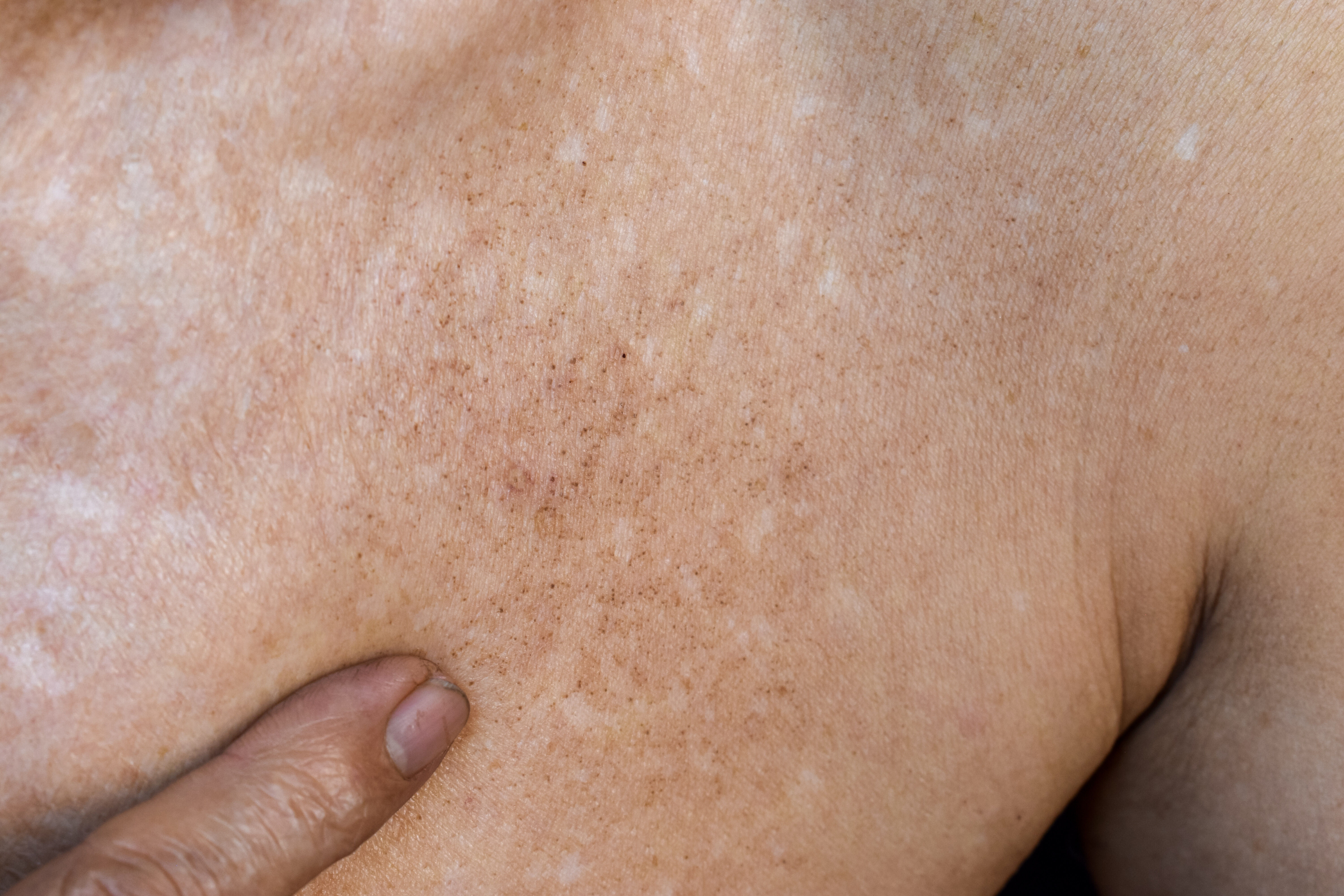



Disclaimer: Answers on Apollo 247 are not intended to replace your doctor advice. Always seek help of a professional doctor in case of an medical emergency or ailment.