


- male
- 40 Years
- 29/01/2025
I'm really worried because I've been experiencing chest pain whenever I'm angry or stressed. It feels like cramps, and it's as if my heart is full of pain. Along with that, I get dizzy and sometimes see things doubled. Even after I calm down, the pain can last for two to four hours. I'm not sure what's causing this, and honestly, it's pretty scary. Chest pain isn't something I want to ignore. Could you help me figure out why this is happening when I'm angry, stressed, or feeling down?

Answered by 1 Apollo Doctors

it might be due to anxiety, try consulting your bear by psychiatrist
Dr. Chandra Suggests...
Consult a Cardiologist
Answered 04/07/2025
0
0

More Cardiology Health Queries
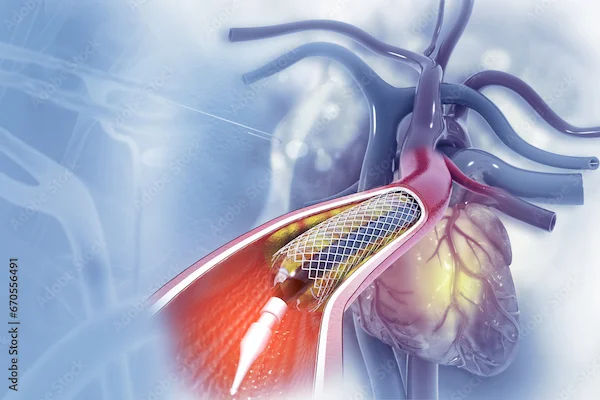
View allI'm really curious about something. Is it possible to have a heart stent removed without undergoing bypass surgery? I'm trying to understand if there's a way to do this less invasively. Would love to hear your thoughts!
cardiac opinion


Answered by 1 Apollo Doctors
My dad recently mentioned having a mild chest pain and we found out he has grade 1 diastolic dysfunction. All his other tests came back normal. Should we be worried about this? I've attached his report here. Any advice would be really appreciated.
Reports are normal.
Answered by 1 Apollo Doctors
I've been dealing with low blood pressure, and whenever I'm lying down, it drops to around 90 over 55. It's pretty unsettling because I feel lightheaded when that happens. I've tried drinking saltwater and coffee, but it doesn't seem to help much. I've read that having a low diastolic blood pressure could lead to heart failure since the coronary heart artery gets its supply during diastole. Is this true? And what steps can I take to prevent my blood pressure from falling below safe levels? Also, is having such low blood pressure dangerous?
Low blood pressure can indeed lead to symptoms like lightheadedness, especially when changing positions. To help manage your low blood pressure, you can try increasing your salt intake and staying hydrated. Additionally, wearing compression stockings can help improve blood flow. In terms of medication, you can consider taking Midodrine to help raise your blood pressure. It is important to monitor your blood pressure regularly and consult with your healthcare provider for proper management.
Answered by 1 Apollo Doctors
Health Articles for you
View all

Disclaimer: Answers on Apollo 247 are not intended to replace your doctor advice. Always seek help of a professional doctor in case of an medical emergency or ailment.