


- male
- 30 Years
- 22/01/2025
I'm struggling with a pretty uncomfortable jock itch, and I'm not sure which anti-fungal cream would be better for meLulifin or Quadriderm? Also, are there any other medications or treatments that you'd recommend for this type of issue? I've tried over-the-counter stuff, but it doesn't seem to be helping much. Any guidance would be great!

Answered by 1 Apollo Doctors

The best anti-fungal cream for jock itch is lulifin cream. You can apply lulifin cream twice a day on the affected area for 2-4 weeks. In addition, you can take oral anti-fungal medication like Fluconazole 150mg once a week for 4 weeks to treat jock itch effectively.
Dr. Mubarak Suggests...
Consult a Dermatologist
Answered 04/07/2025
0
0

More Dermatology Health Queries
View allI've noticed that my periods often get delayed by a month or two, and I'm a bit worried about it. Also, I've been seeing some slight damage to my hair and nails. Could this be linked to some sort of health issue?
Delayed periods, hair damage, and nail damage could be indicative of hormonal imbalances, nutritional deficiencies, or other underlying health issues. Here are some potential causes: Hormonal Imbalances 1. Polycystic Ovary Syndrome (PCOS): A hormonal disorder that can cause irregular periods, hair loss, and nail damage. 2. Thyroid disorders: Hypothyroidism (underactive thyroid) or hyperthyroidism (overactive thyroid) can affect menstrual cycles and cause hair and nail damage. Nutritional Deficiencies 1. Iron deficiency: Can cause hair loss, nail damage, and irregular periods. 2. Vitamin deficiencies: Lack of vitamins like B12, vitamin D, or omega-3 fatty acids can contribute to hair and nail damage. Other Potential Causes 1. Stress: Prolonged stress can disrupt hormonal balances, leading to delayed periods and hair and nail damage. 2. Weight changes: Significant weight gain or loss can affect menstrual cycles and cause hair and nail damage. 3. Genetic predisposition: Family history can play a role in hormonal imbalances and hair and nail damage. To address these issues, consider the following steps: 1. Consult a gynecologist: Discuss your delayed periods and other symptoms with a healthcare provider to rule out any underlying conditions. 2. Get blood tests: Check for hormonal imbalances, nutritional deficiencies, and other potential causes.


Answered by 1 Apollo Doctors
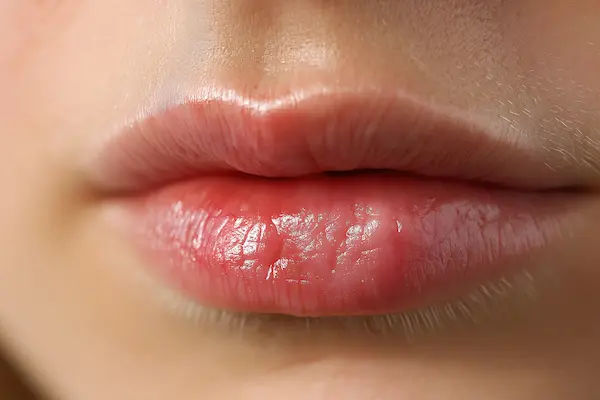
I've been noticing that I get these weird recurrent rashes around the time I ovulate. They're either skin-colored or red bumps showing up on my cheeks and forehead. Weird thing is, they clear up on their own by the time my period ends, or sometimes they go away within a week. This happens every month like clockwork. I'm not taking any pills or meds and I'm perfectly healthy otherwise. I did use emergency contraception a few times last year but that's about it. Could there be a connection, or is there something else I should be worried about?
Thats unusual,visit General Physician for appropriate approach.and maintain balanced diet and healthy lifestyle
Answered by 1 Apollo Doctors
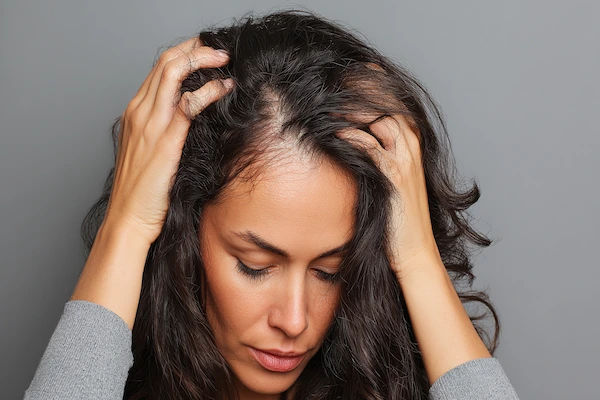
I'm dealing with frequent hair fall and complete hair loss, and my scalp now looks bald. There's no dandruff, but its smooth and shiny like a cricket ground, and Im really struggling with confidence because of it. Its something that runs in my family, but I desperately want to get back a full volume of hair. Can you offer any advice on treatments or solutions that might help restore my hair?
, this condition is androgenic alopecia..treatment depends on staging ..early stages can be treated with medication like minoxidil finasteride and other medications like supplements. PRP sessions help as adjunct procedure along with medical management or hair transplantation .advanced stages like yours may need hair restoration..plz consult nearest hair specialist of dermatologist for further details
Answered by 1 Apollo Doctors
Health Articles for you
View all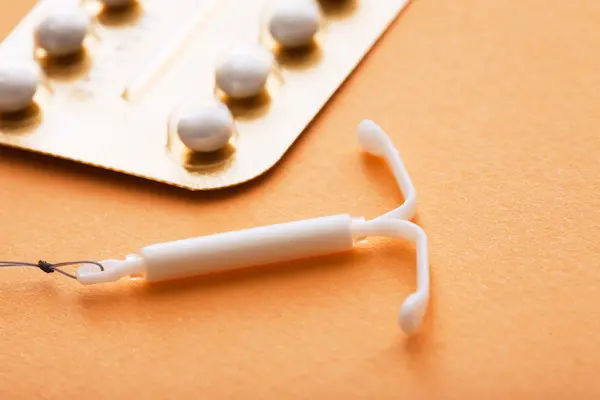
Disclaimer: Answers on Apollo 247 are not intended to replace your doctor advice. Always seek help of a professional doctor in case of an medical emergency or ailment.