



Scalp Issues in Women: Causes & Fixes
Women's scalp conditions explained: causes, treatments, and when to seek care. Clear, trusted tips for dandruff, hair loss, itch, and more.

Written by Dr. M L Ezhilarasan
Reviewed by Dr. Dhankecha Mayank Dineshbhai MBBS
Last updated on 13th Jan, 2026
Introduction: Why Scalp Health Matters
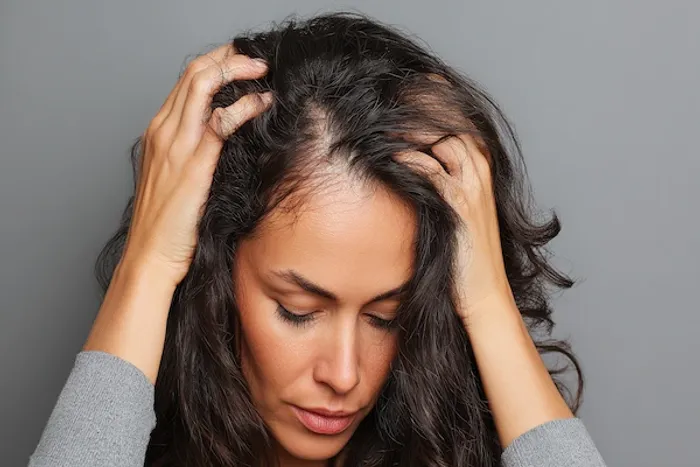
An itchy, flaky, or tender scalp can be deeply frustrating and can quietly affect your confidence, sleep quality, and long-term hair goals. For many women, scalp discomfort is not just a cosmetic inconvenience but a persistent concern that interferes with daily comfort and self-esteem. If you have been searching for answers about women’s scalp conditions, you are not alone. These issues are widespread, often misunderstood, and frequently manageable once the underlying cause is clearly identified.
Your scalp is the foundation of healthy hair growth. When it is inflamed, congested, or imbalanced, hair quality and density can suffer alongside symptoms such as itching, burning, tightness, or visible flakes. Fortunately, many scalp problems respond well to simple changes in routine, targeted over-the-counter treatments, and consistent care. Others may require a medical diagnosis and prescription-based intervention. This guide explores the most common causes of women’s scalp conditions, practical ways to manage them, and the signs that indicate it is time to seek professional support.
Consult a Top General Practitioner for Personalised Advice
How the Scalp Works and Why Problems Start?
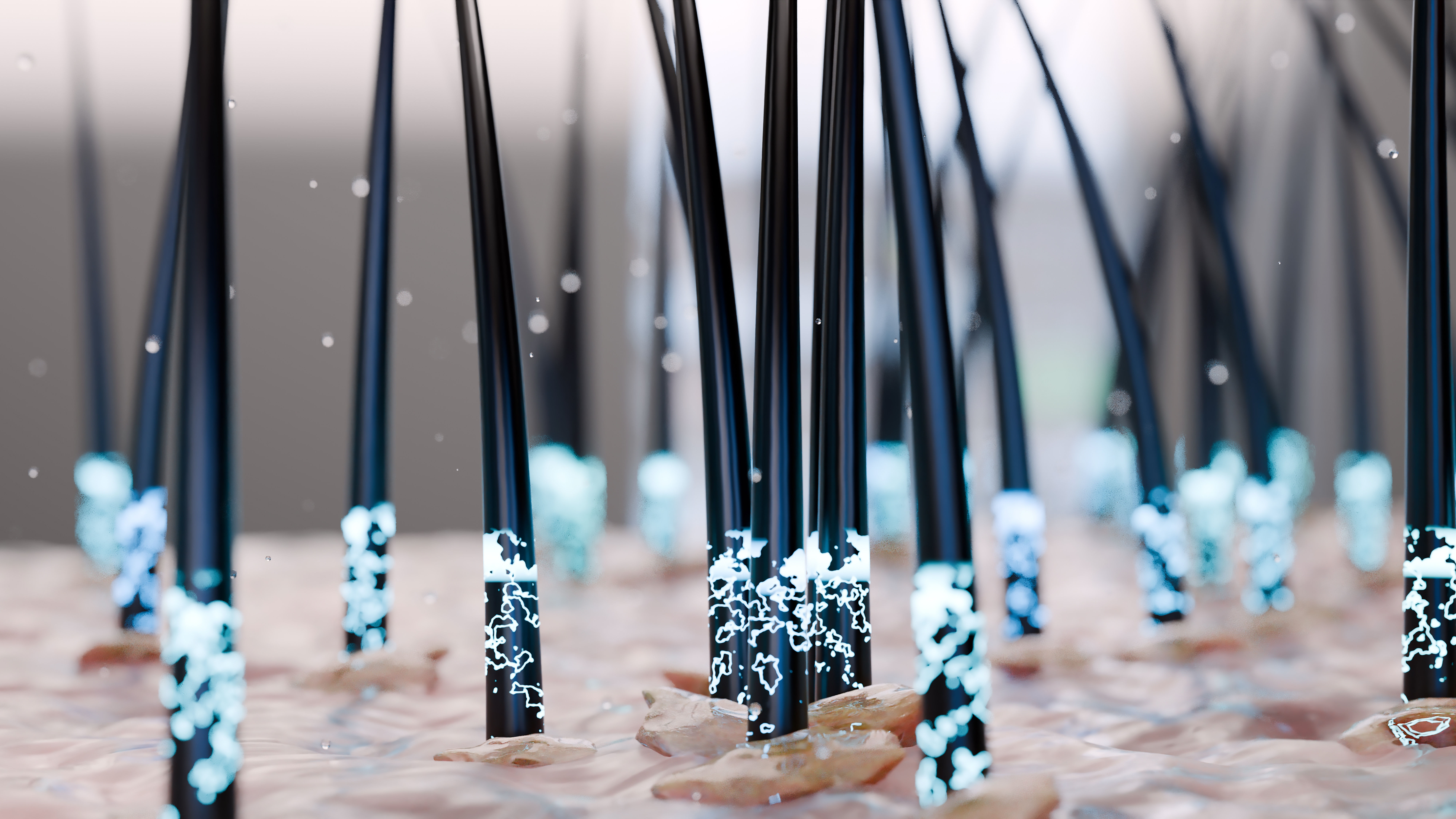
The scalp is living skin that contains thousands of hair follicles, oil-producing sebaceous glands, sweat glands, blood vessels, sensory nerves, and a delicate ecosystem of naturally occurring bacteria and yeast. This balanced environment helps regulate moisture, defend against infection, and support healthy hair growth. Scalp problems arise when this balance is disrupted or the skin barrier becomes compromised.
Common factors that can trigger scalp issues
- Genetics and immune responses, such as psoriasis or alopecia areata
- Hormonal changes, including puberty, pregnancy, postpartum shifts, perimenopause, menopause, or conditions such as PCOS
- Stress, illness, trauma, or major life changes
- Infections such as fungal ringworm, bacterial overgrowth, or head lice
- Hair-care practices involving tight styles, excessive heat, chemical processing, dyes, relaxers, or extensions
- Skin sensitivity or allergic reactions to fragrances, dyes, or preservatives
- Underlying health factors like thyroid imbalance, iron deficiency, or rapid weight loss
- Climate and lifestyle influences, including hot weather, humidity, excessive sweating, or frequent headwear
Common Women's Scalp Conditions and Their Fixes
Some common women’s scalp problems and solutions
Dandruff and seborrhoeic dermatitis
What does it look like?
- White or yellow flakes on the scalp, hair, and shoulders
- Persistent itching with possible redness and irritation
- Symptoms may worsen during colder months or periods of stress
Why does it happen?
- Often linked to an overgrowth of Malassezia yeast on oily skin, combined with an inflammatory skin response
- Not caused by poor hygiene but by disrupted scalp balance and excess oil production
What helps?
Use medicated shampoo two to three times per week with active ingredients such as:
- Ketoconazole 1%
- Selenium sulfide 1%
- Pyrithione zinc, where available
- Salicylic acid
- Coal tar
- Apply shampoo directly to the scalp, massage gently, and leave for 3 to 5 minutes before rinsing
- Rotate active ingredients if one becomes less effective over time
- Use gentle, fragrance-free conditioner on hair lengths to prevent dryness
- Persistent redness or spreading beyond the scalp may require prescription antifungal or anti-inflammatory treatments
Scalp psoriasis
What does it look like?
- Thick, clearly defined plaques covered with silvery scale
- Often extends beyond the hairline or appears on elbows and knees
- Burning, soreness, or intense itching may occur
What helps?
- Medicated shampoos with tar or salicylic acid, combined with prescription topicals, guided by a clinician
- Topical corticosteroids or vitamin D analogues for inflammation control
- Phototherapy for extensive or resistant cases
- Gentle softening of scale using clinician-recommended oils, avoiding forceful picking
Contact dermatitis and sensitive scalp
What does it look like?
- A red, itchy, stinging or burning scalp usually occurs after using new products
- Common triggers include hair dye, bleach, fragrance, and preservatives
What helps?
- Stop using the suspected product immediately
- Switch to fragrance-free and hypoallergenic formulations
- Patch testing with a dermatologist if reactions recur
- Short courses of prescription anti-inflammatory treatments if required
Tinea capitis (scalp ringworm)
What does it look like?
- Round scaly patches with broken hairs and black dots
- Swelling or tenderness in severe cases
- Swollen lymph nodes in the neck may appear
What helps?
- Requires oral prescription antifungal treatment
- Use antifungal shampoos to reduce the spread
- Avoid sharing brushes, hats, or towels
- Check close contacts for symptoms
Folliculitis and scalp acne
What does it look like?
- Small, painful or itchy bumps around follicles
- Sometimes filled with pus
- Triggered by sweat, occlusive products, or friction
What helps?
- Cleanse after exercise
- Avoid heavy oils or pomades on the scalp
- Use antiseptic washes carefully
- Seek targeted treatment for persistent cases
Head lice
What does it look like?
- Severe itching
- Tiny insects and visible nits attached to hair shafts
What helps
- Use approved treatments such as permethrin
- Remove nits with a fine-tooth comb
- Wash clothing and bedding in hot water
- Avoid harsh home pesticide methods
Female pattern hair loss
What does it look like?
- Gradual thinning at the part and crown
- Typically, no inflammation or scarring
What helps?
- Topical minoxidil as first-line treatment
- Results appear over several months
- Continued use is needed to maintain improvement
- Avoid during pregnancy unless advised by a clinician
Telogen effluvium
What does it look like?
- Diffuse hair shedding
- Begins months after stress or illness
What helps?
- Identify and address the trigger
- Support the scalp with gentle care
- Hair regrowth usually occurs over time
Traction alopecia
What does it look like?
- Thinning along hairline edges
- May include pain or bumps
What helps?
- Loosen hairstyles
- Alternate parting
- Avoid heat and tension
- Seek early intervention
Central centrifugal cicatricial alopecia
What does it look like?
- Hair loss starting at the crown
- Burning or scaled patches
What helps?
- Early medical treatment
- Gentle styling practices
- Ongoing monitoring
Everyday Habits for a Healthier Scalp
Everyday habits include:
- Cleanse consistently based on scalp type
- Use fingertips rather than nails
- Choose fragrance-free products
- Avoid undue heat and chemicals
- Protect the scalp from the sun
- Do not share personal grooming tools
- Eat a balanced, nutrient-rich diet
- Maintain healthy stress and sleep patterns
When to see a healthcare professional?
See a healthcare professional when:
- Sudden or patchy hair loss
- Persistent pain or pus
- Severe itching is disrupting sleep
- Symptoms not improving after six weeks
What to expect at the visit
The visit includes:
- Detailed scalp examination
- Lifestyle and health history assessment
- Diagnostic testing, if needed
- Personalised treatment plan
Step-by-step routine for flakes and itch
Step-by-step routine includes:
- Week 1–2: Medicated shampoo use and gentle care
- Week 3–4: Rotate treatments if needed
- Week 5–6: Seek clinical advice if flares persist
Myths vs facts
Myths and Facts include:
- Myth: Dandruff equals poor hygiene
Fact: It is an inflammatory response
- Myth: Shampooing causes hair loss
Fact: Regular washing supports scalp health
- Myth: Only men experience pattern hair loss
Fact: It is common in women
- Myth: Protective styles are always safe
Fact: Excessive tension causes traction alopecia
Conclusion
A healthy scalp is essential for comfortable living and resilient hair growth. Paying attention to early signs, adopting gentle practices, and using targeted treatments can prevent many issues from escalating. Persistence, patience, and consistency are key to long-term results. When symptoms persist or worsen, professional guidance ensures timely, effective care. With the right approach, most women can achieve a calmer, healthier scalp that supports stronger, more vibrant hair.
Consult a Top General Practitioner for Personalised Advice
Consult a Top General Practitioner for Personalised Advice

Dr. Gunashree V L
General Physician/ Internal Medicine Specialist
3 Years • MBBS
Bengaluru
Apollo Clinic, JP nagar, Bengaluru

Dr. Rajib Ghose
General Physician/ Internal Medicine Specialist
25 Years • MBBS
East Midnapore
VIVEKANANDA SEBA SADAN, East Midnapore

Dr. Meghana B S
General Physician/ Internal Medicine Specialist
11 Years • MBBS, MD ( GENERAL MEDICINE) DNB ( GENERAL MEDICINE)
Bengaluru
Apollo Clinic, JP nagar, Bengaluru

Dr. Ashita Kuruvilla
General Practitioner
7 Years • MBBS
Kolkata
KVC CLINIC, Kolkata

Dr. Anand Ravi
General Physician
2 Years • MBBS, FEM
Bengaluru
PRESTIGE SHANTHINIKETAN - SOCIETY CLINIC, Bengaluru
Consult a Top General Practitioner for Personalised Advice
Dr. Gunashree V L
General Physician/ Internal Medicine Specialist
3 Years • MBBS
Bengaluru
Apollo Clinic, JP nagar, Bengaluru
Dr. Rajib Ghose
General Physician/ Internal Medicine Specialist
25 Years • MBBS
East Midnapore
VIVEKANANDA SEBA SADAN, East Midnapore
Dr. Meghana B S
General Physician/ Internal Medicine Specialist
11 Years • MBBS, MD ( GENERAL MEDICINE) DNB ( GENERAL MEDICINE)
Bengaluru
Apollo Clinic, JP nagar, Bengaluru
Dr. Ashita Kuruvilla
General Practitioner
7 Years • MBBS
Kolkata
KVC CLINIC, Kolkata
Dr. Anand Ravi
General Physician
2 Years • MBBS, FEM
Bengaluru
PRESTIGE SHANTHINIKETAN - SOCIETY CLINIC, Bengaluru
More articles from Scalp Treatment

Frequently Asked Questions
Are women's scalp conditions contagious?
Most are not. Dandruff, psoriasis, and eczema aren’t contagious. Infections like ringworm (tinea capitis) and head lice can spread and need specific treatment.
How often should I wash my hair if I have dandruff?
Often 2–3 times weekly with a medicated shampoo works well. On other days, a gentle, fragrance-free shampoo is fine. Leave medicated shampoos on the scalp for several minutes before rinsing.
Can stress cause scalp problems?
Yes. Stress can trigger or worsen shedding (telogen effluvium) and inflammatory conditions like psoriasis or eczema. Managing stress and sleep can help reduce flares.
Is minoxidil safe for women?
Is minoxidil safe for women?
A.Over-the-counter topical minoxidil is commonly used for female pattern hair loss. Use as directed, and expect gradual results over months. Discuss with your clinician if you are pregnant, breastfeeding, or have scalp irritation.
Which home remedies actually help?
Evidence supports medicated shampoos and gentle care. Be cautious with essential oils or DIY treatments they can irritate or trigger allergies. If you try a new product, patch-test first and stop if irritation occurs.