


Men’s Scalp Problems: Causes & Fixes
Learn causes, symptoms, and fixes for scalp conditions in men, from dandruff to hair loss, with expert-backed tips and treatments.
Written by Dr. Dhankecha Mayank Dineshbhai
Reviewed by Dr. Rohinipriyanka Pondugula MBBS
Last updated on 13th Jan, 2026
Introduction: Why Your Scalp Health Matters
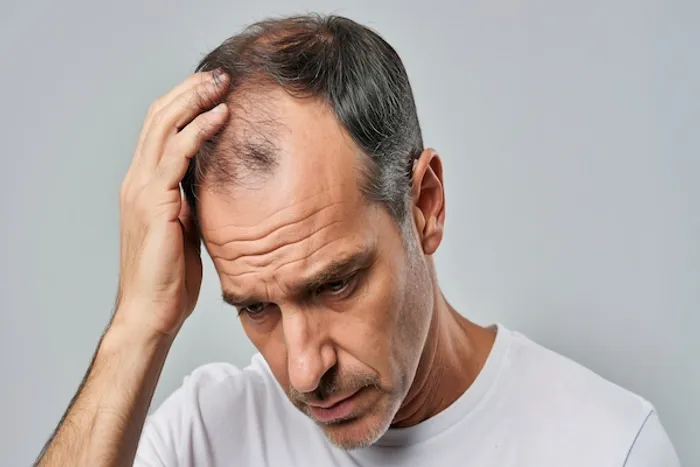
An itchy, flaky, or painful scalp can affect your confidence, comfort, and overall hair health in ways that extend beyond appearance alone. Discomfort can interfere with sleep, social confidence, and even concentration at work. Many men ignore early signs of scalp trouble, assuming they are minor or temporary, yet these issues often worsen without thoughtful care.
The encouraging reality is that most scalp problems in men are manageable. With appropriate daily habits, informed product choices, and targeted medical treatment when required, you can significantly improve scalp comfort and maintain healthier hair over the long term. Understanding the root cause is essential, as different conditions require different approaches.
This guide explores the most common scalp conditions in men, how to recognise them, and the proven fixes that support healing. By learning what is happening on your scalp and responding early, you can restore comfort, protect hair growth, and maintain a healthy foundation for your hair.
Consult a Top General Practitioner for Personalised Advice
Common Scalp Conditions in Men
Understanding what is happening on your scalp is the first step towards relief. While symptoms can overlap, each condition has distinctive features and treatment paths. Below are the most frequent scalp issues men face and how they can be effectively managed.
Dandruff and Seborrhoeic Dermatitis
What is it?
- Dandruff involves mild flaking with minimal redness or irritation.
- Seborrhoeic dermatitis is a more inflamed form with noticeable redness, itching, and greasy or yellowish scales.
- It may also affect the eyebrows, beard area, sides of the nose, and behind the ears.
Why Does it Happen?
- Overactivity of oil glands producing excess sebum.
- Overgrowth of naturally occurring yeast known as Malassezia.
- Sensitivity to scalp oils and inflammatory responses.
- Genetic predisposition and stress-related flare-ups.
What Will you Notice?
- White or yellow flakes on the scalp and shoulders.
- Persistent itching that may worsen in warm or humid conditions.
- Greasy patches and visible redness in more severe cases.
At-Home Fixes
- Use medicated shampoos two to three times per week.
- Options include zinc pyrithione, selenium sulphide, ketoconazole, coal tar, or salicylic acid.
- Gently massage the product into the scalp and allow it to sit for several minutes before rinsing.
- Between medicated washes, use a gentle, fragrance-free shampoo to avoid irritation.
Medical Treatments
- Prescription-strength antifungal shampoos or foams may be advised for persistent symptoms.
- Short courses of low to mid-potency topical corticosteroids to reduce inflammation during flares.
- Anti-yeast creams for facial areas affected, alongside scalp involvement.
Scalp Psoriasis
What is it?
- A chronic inflammatory condition driven by immune system overactivity.
- Causes rapid turnover of skin cells, leading to thickened, scaly patches on the scalp.
What will you notice?
- Clearly defined plaques with silvery-white scales.
- Soreness or itching that may feel deeper than surface irritation.
- Extension of plaques beyond the hairline onto the forehead, neck, or behind the ears.
At-home fixes
- Keep the scalp gently moisturised to reduce dryness and cracking.
- Use shampoos containing coal tar or salicylic acid.
- Avoid picking or forcefully removing scales, as this worsens inflammation and can trigger bleeding.
Medical treatments
- Topical corticosteroids to calm inflammation and slow cell turnover.
- Vitamin D analogues or combination therapies are prescribed by a dermatologist.
- Phototherapy or systemic medications for moderate to severe cases that do not respond to topical care.
Ringworm of the Scalp (Tinea Capitis)|
What is it?
- A contagious fungal infection affecting the scalp and hair shafts.
- More common in children but still occurs in adult men, particularly in shared living or barber environments.
What will you notice?
- Round or irregular scaly patches with hair breakage and black dots.
- Itching and occasional tenderness.
- In severe cases, a swollen, tender, pus-filled area known as a kerion.
Important
- Tinea capitis requires prescription oral antifungal treatment.
- Topical shampoos alone cannot cure this condition.
At-home and medical care
- Attend a clinical assessment for an accurate diagnosis and oral therapy.
- Use antifungal shampoo as an adjunct to reduce surface fungal load and transmission.
- Avoid sharing hats, combs, clippers, or pillows.
- Clean or replace hair tools and check close contacts for symptoms.
Folliculitis and Scalp Acne
What is it?
- Inflammation or infection of hair follicles caused by bacteria, yeast, friction, or ingrown hairs.
- It can range from mild irritation to painful pustules.
What will you notice?
- Red bumps or white-topped pustules centred around hair follicles.
- Tenderness, itching, or a burning sensation.
- Discomfort that worsens with sweating or tight headwear.
At-home fixes
- Wash the scalp promptly after sweating or exercise.
- Use a gentle, non-comedogenic shampoo regularly.
- Consider antiseptic washes like benzoyl peroxide along the hairline, rinsing thoroughly to avoid fabric bleaching.
- Avoid tight hats and reduce ongoing friction.
Medical treatments
- Topical antibiotics or antifungal agents, depending on the cause.
- Oral antibiotics for more severe or widespread inflammation.
Head Lice
What is it?
- Small parasitic insects that live on the scalp and feed on blood.
- Easily spread through close contact or shared personal items.
What will you notice?
- Intense itching, especially behind the ears and neck.
- Visible nits attached to hair shafts close to the scalp.
At-home and medical care
- Use approved treatments such as permethrin or pyrethrin following instructions precisely.
- Comb through hair with a fine-tooth nit comb repeatedly.
- Wash or heat-dry bedding and hats used within the last forty-eight hours.
- Prescription treatments are available if over-the-counter methods fail.
Contact Dermatitis
What is it?
- An inflammatory reaction caused by irritating or allergenic hair products.
- Often triggered by dyes, fragrances, preservatives, or styling chemicals.
What will you notice?
- Burning, itching, or tenderness of the scalp.
- Rash that may spread to the ears, forehead, or neck.
At-home fixes
- Stop using suspected products immediately.
- Switch to fragrance-free and hypoallergenic alternatives.
- Apply cool compresses to ease itching.
- Avoid scratching to reduce further irritation.
Medical treatments
- Short courses of topical corticosteroids to calm inflammation.
- Dermatologist-led patch testing for recurrent or unclear cases.
Hair Loss: Androgenetic Alopecia
What is it?
- A progressive genetic condition influenced by hormones.
- Leads to thinning at the crown and receding hairline.
What will you notice?
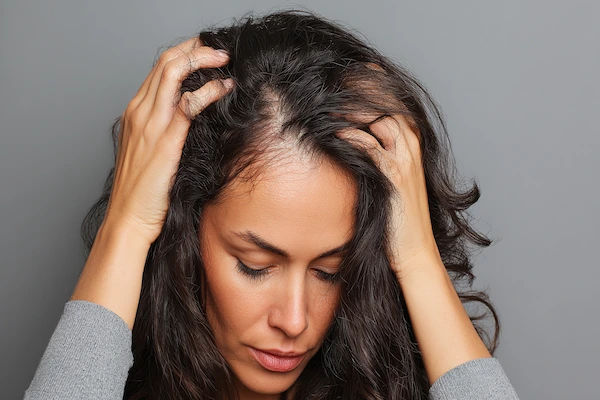
- Gradual reduction in hair density.
- Widening part and visible scalp through hair.
Evidence-based treatments
- Minoxidil is applied topically to slow hair loss.
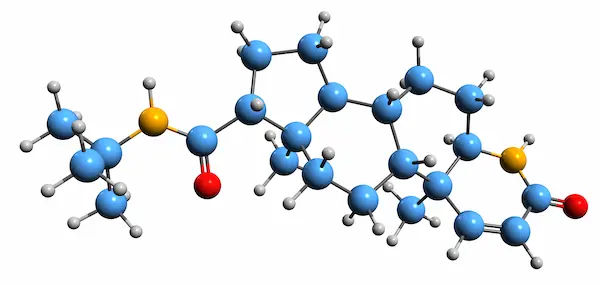
- Finasteride is taken orally under clinical guidance.
- Low-level laser therapy devices for selected individuals.
- Hair transplantation for men seeking surgical restoration.
Hair Loss: Alopecia Areata
What is it?
- An autoimmune condition causing sudden hair loss in round patches.
- May involve eyebrows, beard, or body hair.
What will you notice?
- Smooth bald patches with short tapering hairs at the edges.
- Possible nail pitting in some individuals.
Medical treatments
- Intralesional corticosteroid injections or topical medications.
- Advanced therapies under specialist supervision.
- Hair regrowth is possible, but relapses can occur.
Sun Damage and Skin Cancer on the Scalp
Why does it matter?
- Thinning hair exposes the scalp to direct UV radiation.
- Increases the risk of sunburn, precancerous changes, and skin cancers.
What you will notice
- Rough, scaly patches.
- Sores that bleed or fail to heal.
- Changes in mole shape, size, or colour.
Prevention and care
- Wear wide-brimmed hats outdoors.
- Use broad-spectrum SPF 30+ sunscreen on exposed scalp areas.
- Seek medical evaluation for suspicious lesions.
Fixes For Scalp Conditions in Men
The fixes for scalp conditions include:
Supportive habits
- Choose appropriate shampoo and rotate medicated options when needed.
- Adjust wash frequency based on scalp type and environment.
- Use lukewarm water instead of hot water to reduce irritation.
- Be gentle during washing and drying.
- Keep hair tools clean and disinfected.
- Wash after sweating to reduce build-up and inflammation.
- Manage stress levels through healthy lifestyle practices.
- Protect the scalp against sun exposure.
- Avoid sharing personal grooming items.
When to See a Clinician?
Seek medical advice if you experience:
- Sudden or unexplained hair loss.
- Painful or oozing scalp lesions.
- Severe itching that disrupts sleep.
- Thick crusts or persistent raw areas.
- Signs of infection, such as swelling or fever.
- Possible fungal or allergic reactions.
- Suspicious skin changes that do not heal.
What to Expect at the Visit?
The visit includes:
Clinical assessment
- Discussion of symptoms and hair care habits.
- Examination of the scalp and surrounding areas.
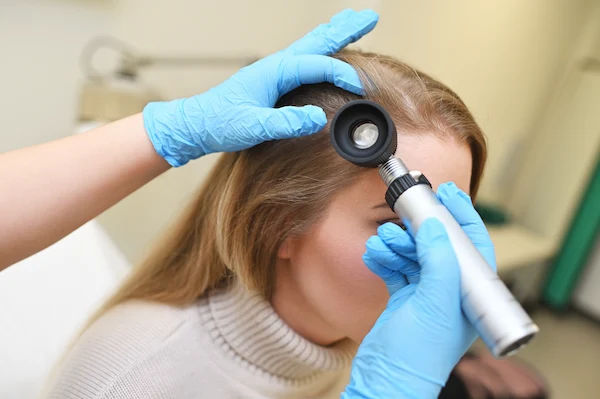
- Simple tests such as fungal scraping or dermoscopy.
- Personalised treatment recommendations.
Prevention Tips and Healthy Habits
The prevention tips and healthy habits include:
Everyday strategies
- Maintain a consistent scalp care routine.
- Use fragrance-free and gentle products.
- Ensure clean equipment is used during haircuts.
- Replace expired hair products regularly.
- Support overall well-being with balanced lifestyle habits.
Conclusion
Most scalp conditions in men are manageable with awareness, consistency, and targeted care. Early attention to symptoms helps prevent worsening and preserves both comfort and confidence. By identifying triggers, adopting healthy habits, and seeking professional guidance when needed, long-term scalp health is achievable. A calm, balanced scalp forms the foundation for stronger hair and improved self-assurance. With steady care and informed choices, relief and control are within reach.
Consult a Top General Practitioner for Personalised Advice
Consult a Top General Practitioner for Personalised Advice

Dr. Rajib Ghose
General Physician/ Internal Medicine Specialist
25 Years • MBBS
East Midnapore
VIVEKANANDA SEBA SADAN, East Midnapore

Dr. Rashmi Wadhwa
General Practitioner
35 Years • MBBS
South Delhi
RASHMI WADHWA'S CLINIC, South Delhi

(75+ Patients)

Dr. Pinaki Mukhopadhyay
General Practitioner
33 Years • MBBS
Kolkata
MCR SUPER SPECIALITY POLY CLINIC & PATHOLOGY, Kolkata
(25+ Patients)

Dr. Ashita Kuruvilla
General Practitioner
7 Years • MBBS
Kolkata
KVC CLINIC, Kolkata

Dr. Sougata Kumar
General Practitioner
9 Years • MBBS
East Midnapore
VIVEKANANDA SEBA SADAN, East Midnapore
Consult a Top General Practitioner for Personalised Advice
Dr. Rajib Ghose
General Physician/ Internal Medicine Specialist
25 Years • MBBS
East Midnapore
VIVEKANANDA SEBA SADAN, East Midnapore
Dr. Rashmi Wadhwa
General Practitioner
35 Years • MBBS
South Delhi
RASHMI WADHWA'S CLINIC, South Delhi
(75+ Patients)
Dr. Pinaki Mukhopadhyay
General Practitioner
33 Years • MBBS
Kolkata
MCR SUPER SPECIALITY POLY CLINIC & PATHOLOGY, Kolkata
(25+ Patients)
Dr. Ashita Kuruvilla
General Practitioner
7 Years • MBBS
Kolkata
KVC CLINIC, Kolkata
Dr. Sougata Kumar
General Practitioner
9 Years • MBBS
East Midnapore
VIVEKANANDA SEBA SADAN, East Midnapore
More articles from Scalp Treatment
Frequently Asked Questions
Are dandruff and dry scalp the same?
Dandruff is linked to oil imbalance and yeast activity. Dry scalp results from a lack of moisture or irritation, and treatment approaches differ slightly, even though symptoms overlap.
How often should men wash their hair if they have dandruff?
Most benefit from daily or near-daily washing, and medicated shampoos are used two to three times weekly.
Can scalp ringworm be treated with over-the-counter cream?
No, oral antifungal treatment is essential, and Shampoos only reduce the spread but do not cure it.
Do hats cause baldness?
Hats do not cause genetic hair loss; however, tight or dirty hats can worsen irritation or folliculitis.
What calms a psoriasis or seborrhoeic flare fastest
Use medicated shampoos consistently, apply prescribed anti-inflammatory treatments moisturise to avoid known triggers.