


- Male
- 22 Years
- 22/01/2025
I'm thinking about stopping minoxidil, but I'm worried my hair might start falling out again if I do. If that happens, what should I do to manage it? Any advice would be great!

Answered by 1 Apollo Doctors

yes consult your dermatologist for further treatment
Dr. Dr Khaleel Suggests...
Consult a Dermatologist
Answered 04/07/2025
0
0

More Dermatology Health Queries
View allI'm really worried about a fungal infection I've had for the past year. I've tried medications from different doctors, but it's just spreading all over my body, causing itching and irritation. It's tough to get any mental relief from this infection. Can you help me find a permanent solution? I'm looking for a complete cure, not just a temporary fix. It's been going on for so long, and it's really affecting my life. Also, my wife is dealing with the same issue and she's pregnant. Could this infection impact our newborn? If so, what precautions should we take to protect the baby? I've already consulted 4 doctors and tried everything from English medicine to homeopathy, but nothing is working. We desperately need the best advice and treatment for fungal infections. Can you guide us on what to do next?
See a specialist for accurate diagnosis and targeted treatment. Follow the prescribed antifungal regimen, including oral and topical treatments. Ensure proper hygiene, especially in moist areas prone to infection. Take steps to improve immunity by maintaining a healthy diet and managing stress.


Answered by 1 Apollo Doctors
I'm really struggling with hair fall, and my hair has gotten so thin because of it. Are there any shampoos or oils you could recommend that might help? I've noticed that the hair on my forehead is getting sparser on both sides. I've even tried treatments from doctors, but they only seem to work while I'm taking the tablets. For hair regrowth, they suggested Himalaya Hairzone Hairfall solution, but I haven't seen any results. What can I do to stop the hair fall and help my hair grow back thicker?
Visit Physician for evaluation and appropriate management
Answered by 1 Apollo Doctors
Does the Melalumin lip lightener cream actually work to lighten dark lips and make them pink? I've been struggling with really dark lips and just want to know if this product could help.
yes
Answered by 1 Apollo Doctors
Health Articles for you
View all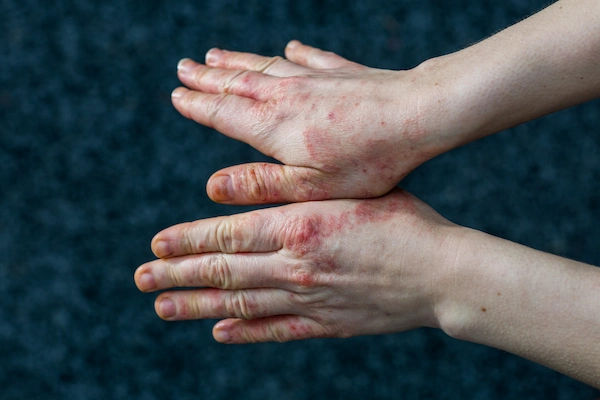



Disclaimer: Answers on Apollo 247 are not intended to replace your doctor advice. Always seek help of a professional doctor in case of an medical emergency or ailment.