


- female
- 20 Years
- 14/08/2025
I'm trying to figure out whether I should go to a dentist or a maxillofacial surgeon for wisdom teeth extraction which one would be better for the procedure? Also, how long does the whole surgery usually take to recover from? I'm a bit nervous about the process and recovery time.

Answered by 1 Apollo Doctors

For wisdom teeth extraction, an oral and maxillofacial surgeon is generally the better choice, especially for complex cases. Recovery time typically ranges from a few days to two weeks
Dr. Kamran Suggests...
Consult a Oral and Maxillofacial Surgeon
Answered 14/08/2025
0
0

More Oral & Maxillofacial Surgery Health Queries
View allI'm a bit worried because four days after having my wisdom tooth taken out from the lower left side, I suddenly started noticing this strange taste in my mouth. Ive been sticking to all the instructions and prescriptions my doctor provided, and thankfully theres no pain. But this odd taste is concerning. What could it be, and should I do something about it?
Could be a sign of infection. It's good that you have no pain, but the odd taste may indicate an issue. I recommend using a mouthwash containing chlorhexidine gluconate to help with the taste and prevent infection. You can also take antibiotics like amoxicillin to treat any infection that may be present. Make sure to follow the dosage instructions provided by your doctor. If the odd taste persists, it's best to consult your dentist for further evaluation.


Answered by 1 Apollo Doctors
I noticed a white patch on the right side of my tongue that extends to the floor of my mouth, about 2.5 cm in size. I saw an oncologist who recommended laser surgery costing around 10k with admission, but another oncologist suggested excision with frozen section and a 2-day hospital stay for about 2 lakhs, plus extracting my lower 8th tooth. I'm confused should I go with an oncologist or an ENT specialist for this?
ENT or oncologist both manage such lesions; decision depends on biopsy results, margins, and surgical expertise required.
Answered by 1 Apollo Doctors
How much does Class III underbite corrective surgery cost if it's just for the lower jaw and how long does it take to recover from it
The cost for Class III underbite surgery, specifically correcting only the lower jaw, can vary widely, but typically ranges from INR 50,000 to INR 2,00,000 or more in India. Recovery time after the surgery is generally 6-12 weeks, with initial healing taking about 6 weeks and full healing potentially taking up to 12 weeks.
Answered by 1 Apollo Doctors
Health Articles for you
View all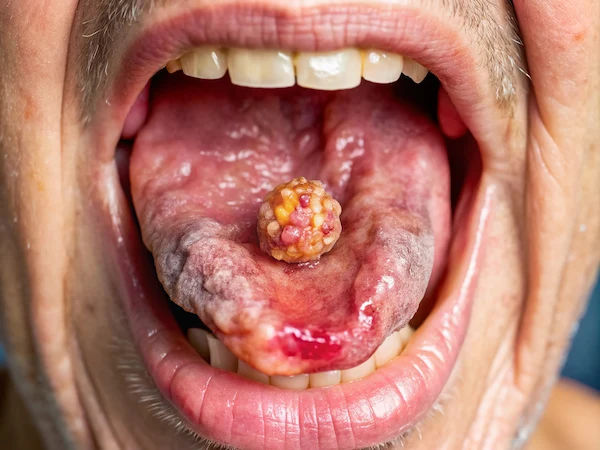

.webp)
Disclaimer: Answers on Apollo 247 are not intended to replace your doctor advice. Always seek help of a professional doctor in case of an medical emergency or ailment.