


- female
- 45 Years
- 07/02/2025
I'm wondering if I should stop taking Concur cor 2.5 that I've been on for a month. I found out last month during a routine check-up that I had a 7.5 load of APCs supraventricular in the holter, which is why it was prescribed. But I didn't really have any symptoms before, and Im not feeling any now. Lots of folks say I might not have needed it in the first place, and I'm a bit worried that taking it when it's not necessary might have side effects. If I do decide to stop, what's the best way to taper off since I heard stopping beta blockers suddenly isn't good? Also, are there any follow-up tests I should be doing after I stop the medication? My echo was normal last month.

Answered by 1 Apollo Doctors

It is important not to stop beta blockers suddenly to avoid any rebound effects. Since you have been taking Concor Cor 2.5 for a month and are feeling fine, you can consider tapering off the medication gradually. I recommend reducing the dosage by half for a week, then halving it again for another week before stopping completely. This tapering schedule helps your body adjust gradually and reduces the risk of any withdrawal symptoms. Regarding side effects, taking Concor Cor 2.5 for a month is generally safe, especially if you have not experienced any bothersome symptoms. Common side effects may include fatigue, dizziness, or changes in heart rate, but if you have not noticed any issues, it is unlikely that you will experience them now. Since your echo results were normal last month, there may not be an immediate need for follow-up tests after stopping the medication. However, it is always a good idea to consult with your healthcare provider before making any changes to your medication regimen to ensure it is safe and appropriate for your individual health needs.
Dr. Shubham Suggests...
Consult a Cardiologist
Answered 04/07/2025
0
0

More Cardiology Health Queries
View allHow can I quickly lower my blood pressure?
By calming down and lying flat one can lower BP to certain extent but consult physician for medications. On a general note, follow life style modifications such as Increase activity and exercise more, Lose weight if you're overweight, Cut back on sugar and refined carbohydrates, Eat more potassium and less sodium, Eat less processed food, Reduce excess stress and Try meditation or yoga.


Answered by 1 Apollo Doctors
Ive been having trouble with my breathing, and my pulse rate is pretty high. My doctor mentioned something about sinus tachycardia and gave me propranolol to take. After using it for a couple of days, I've started to notice swelling in my fingers. What kind of tests or investigations do you think I should consider? And should I be worried about this swelling? Any advice would be really helpful.
Sinus tachycardia is a condition where the heart beats faster than normal. Since you are experiencing swelling on your fingers after taking propranolol, it is important to consult your doctor for a possible alternative medication. In terms of investigations, you may consider getting an ECG (Electrocardiogram) to monitor your heart's electrical activity and rule out any other underlying heart conditions. Additionally, a blood test to check electrolyte levels and thyroid function may be recommended. It is important to discuss these options with your healthcare provider for proper evaluation and management.
Answered by 1 Apollo Doctors
I've been dealing with some chest pain for the past couple of days. It's kind of in the chest area and I've noticed it spreading to my shoulder and back too. The pain isn't super intense, more like a discomfort or small pressure. Also, my body temperature seems to be fluctuating a lot, like I feel hot one moment and cold the next. What could this be?
do check for cervical spondylosis
Answered by 1 Apollo Doctors
Health Articles for you
View all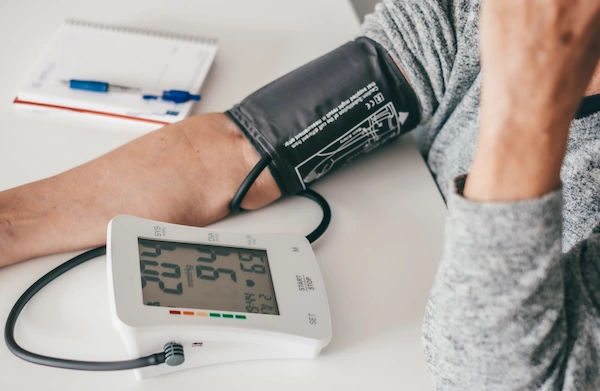


.webp)
Disclaimer: Answers on Apollo 247 are not intended to replace your doctor advice. Always seek help of a professional doctor in case of an medical emergency or ailment.