


- Female
- 27 Years
- 07/02/2025
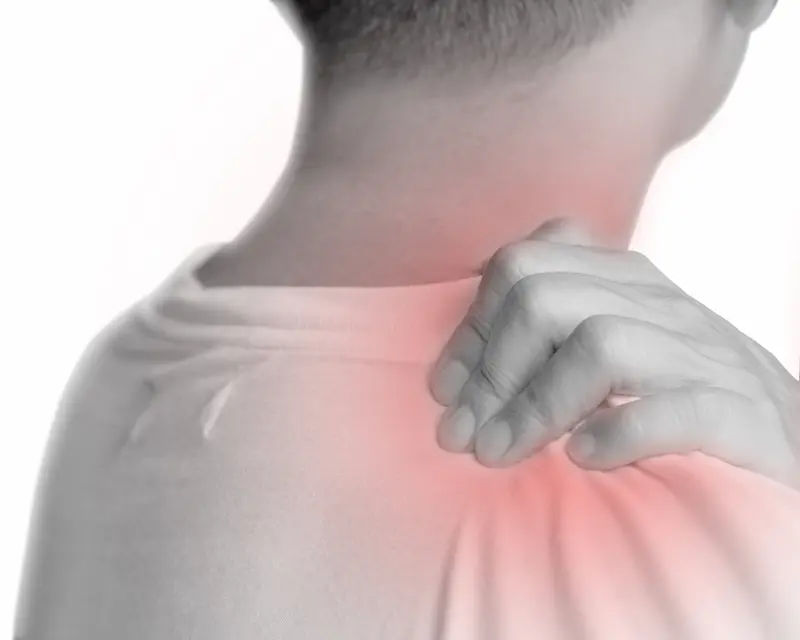
I'm worried about my health and need some advice. My c-reactive protein is at 6.09 mgL, and my lipoprotein a is 37.04 mgdl. Also, I'm dealing with constant neck and shoulder pain because of cervical spondylitis, and I've noticed my sr creatinine levels are high too. Can you help me understand what these numbers mean and what steps I should take next?

Answered by 1 Apollo Doctors

Your c reactive protein level of 6.09 mgL indicates inflammation in your body. To reduce inflammation, you can take Ibuprofen 400mg twice a day after meals for pain relief. For your lipoprotein a level of 37.04 mgdl, you can take Atorvastatin 20mg once daily at night to help lower your cholesterol. For your cervical spondylitis and constant neck and shoulder pain, you can take Acetaminophen 500mg three times a day for pain management. Additionally, doing neck exercises and maintaining a good posture can also help alleviate the pain. Since your sr creatinine levels are high, it is important to consult a nephrologist for further evaluation and management. They may recommend medications like Losartan 50mg once daily to help protect your kidneys. Remember to follow up with your healthcare provider regularly to monitor your progress.
Dr. Ranjith Suggests...
Consult a Rheumatologist
Answered 04/07/2025
0
0

More Rheumatology Health Queries
View allIs Raynaud's linked to diabetes?
Raynaud's is a vasospastic condition usually linked to many auto immune or connective disorder including atherosclerosis which is associated with Diabetes.


Answered by 1 Apollo Doctors
I'm really worried about my mom's health. About a month ago, her ESR level was really high, around 120, when we took her to the doctor because she kept having back pain. They also told us she had low hemoglobin, and they gave her some meds to bring the ESR down. I just checked today, and it's now at 20, which seems better, but I'm still concerned. What are the chances she might have something serious like blood cancer or arthritis?
Coccydynia (Tailbone Pain)_ 1. _Causes_: Coccydynia can be caused by a fall, direct blow, or repetitive strain on the tailbone. 2. _Symptoms_: Pain when sitting, standing, or changing positions, which matches your experience. _Possible Reasons for Persistent Pain_ 1. _Poor posture_: Slouching or slumping can put pressure on the tailbone. 2. _Muscle imbalances_: Weak or tight muscles in the pelvic floor, glutes, or lower back can contribute to tailbone pain. 3. _Referred pain_: Pain from the lower back, hips, or pelvis can radiate to the tailbone. _Next Steps_ 1. _Consult a specialist_: Schedule an appointment with a pain management specialist or a physiatrist to evaluate and treat the underlying cause. 2. _Physical therapy_: A physical therapist can help you with exercises to strengthen the surrounding muscles, improve posture, and reduce pain. 3. _Pain management options_: Your healthcare professional may recommend pain relief medications, injections, or other interventions to manage the pain. _Dietary and Lifestyle Changes_ 1. _Maintain good posture_: Make a conscious effort to sit and stand with proper posture. 2. _Exercise regularly_: Engage in gentle exercises, such as yoga or Pilates, to strengthen the core and surrounding muscles. 3. _Manage weight_: Maintaining a healthy weight can reduce pressure on the tailbone.
Answered by 1 Apollo Doctors
What happens if the synovial membrane in the knee joint bursts? Can it heal on its own, and if so, how long does it typically take for recovery? I'm really concerned about what to expect with this kind of injury.
See a specialist for accurate diagnosis and targeted treatment.
Answered by 1 Apollo Doctors
Health Articles for you
View all

Disclaimer: Answers on Apollo 247 are not intended to replace your doctor advice. Always seek help of a professional doctor in case of an medical emergency or ailment.