apollo
  • Female
  • 22 Years
  • 22/01/2025

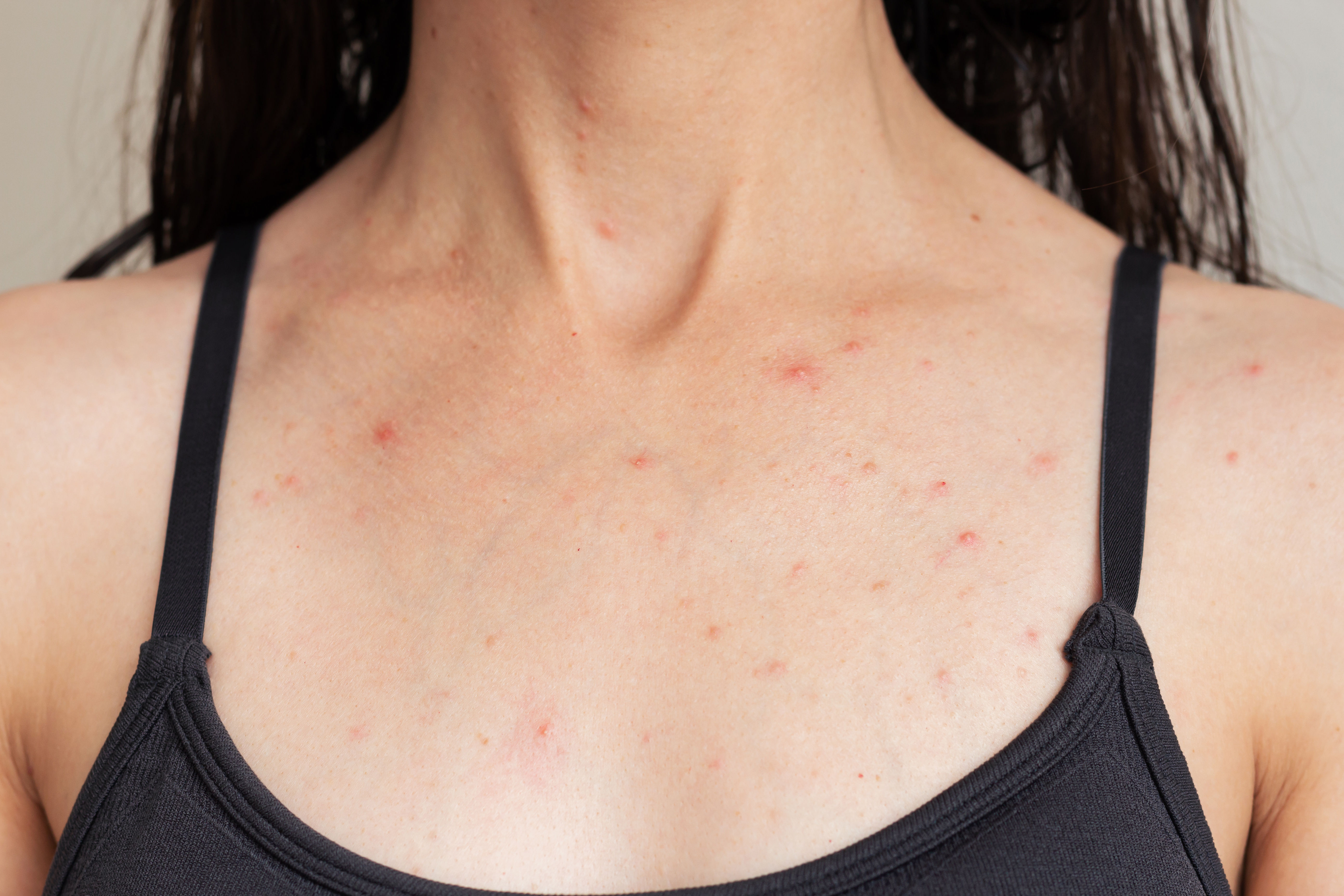
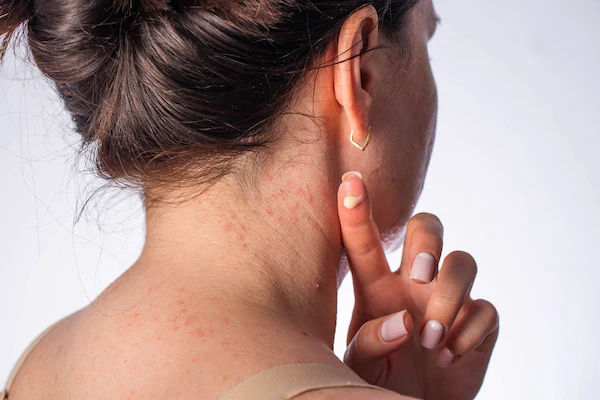
I've been dealing with some intense skin itching at night ever since I recovered from dengue fever a week ago. It's mostly on my hands and legs and feels more like bump skin rather than a red rash. Could this itching be related to my recent dengue, or should I be worried about another skin issue? I'm really concerned and could use some guidance.

Doctor 1

Answered by 1 Apollo Doctors

The itching you're experiencing, particularly at night, with bump-like skin on hands and legs, could be a post-dengue complication, but it's essential to consult a dermatologist to rule out other skin conditions, such as urticaria, pruritus, or allergic reactions, and seek guidance on appropriate treatment.

Dr. Ranjith Suggests...

Consult a Dermatologist

Answered 04/07/2025

0

0

Sick? Talk to a doctor now

More Dermatology Health Queries

View all

I've been dealing with this fungal infection on my neck for over four months, and it's really frustrating. I've been using Onabet for it, but instead of getting better, it seems to be getting worse. I'm starting to worry. Do you know any stronger medicine that could actually clear this up?

use medicine

read more
Doctor 1Doctor 2

Answered by 1 Apollo Doctors

I'm really struggling with severe acne on my face and scalp, and the pain is unbearable, especially at night. My doctor put me on ciplox 500 and sotret 20 mg. I understand that sotret might make my acne worse before it gets better, but I'm wondering if I can switch from ciplox 500 to minoz 100 since minoz has worked well for me in the past. I just want to find a permanent solution to this acne because the pain and swelling, especially on the left side of my face, are really tough to deal with. What do you recommend?

For your acute acne, your doctor prescribed Ciplox 500 (ciprofloxacin) and Sotret 20 mg (isotretinoin). While Minoz 100 (minocycline) may have been effective for your acne in the past, it's essential to follow your doctor's current prescription and guidance.

read more
Doctor 1Doctor 2

Answered by 1 Apollo Doctors

I've been dealing with this issue for more than 17 years. It all started with one or two pimple-like bumps filled with pus on my scalp, and now they've gotten bigger and show up almost everywhere on my scalp except the bald areas. I've seen multiple doctors, and while the problem goes away with medication, it always comes back when I stop taking it. One doctor mentioned a powerful medicine that might affect my kidneys, so I stuck with the current medication, but there's still no relief. It's been this way for over a decade, and whenever the bumps appear, I use antibiotics like Gudcef CV 200 and Azithromycin, among others. I've also tried shampoos like Candid TV and Nizoral ketoconazole. I even consulted a doctor last year hoping for a permanent fix, but he seemed money-minded and kept me on repeated medication. Could you give some advice on how I might manage this condition more effectively or if theres a treatment that might help in the long run?

Your 17-year struggle with a chronic scalp condition, characterized by pus-filled bumps, is concerning. Despite consulting multiple doctors and using various medications, including antibiotics and antifungal shampoos, you've experienced only temporary relief. _Possible Underlying Conditions_ 1. *Folliculitis*: An inflammation of the hair follicles, which can cause pus-filled bumps. 2. *Seborrheic dermatitis*: A skin condition that can cause inflammation, flaking, and pus-filled bumps on the scalp. 3. *Psoriasis*: An autoimmune condition that can cause red, scaly patches and pus-filled bumps on the scalp. _Concerns and Recommendations_ 1. *Kidney concerns*: The doctor's warning about potential kidney damage from powerful medications is a concern. Monitor your kidney function regularly. 2. *Antibiotic resistance*: Frequent use of antibiotics may lead to resistance. Explore alternative treatments to reduce antibiotic dependence. 3. *Comprehensive diagnosis*: Seek a second opinion from a dermatologist or a specialist in scalp conditions. They may perform a thorough examination, take a detailed medical history, and potentially conduct diagnostic tests (e.g., skin scraping, biopsy) to determine the underlying cause. 4. *Holistic treatment approach*: Consider a comprehensive treatment plan that includes: - Topical treatments (shampoos, creams, ointments) - Oral medications (if necessary) - Lifestyle changes (diet, stress management, hygiene practices) - Alternative therapies (e.g., phototherapy, acupuncture) _Permanent Recovery_ To achieve permanent recovery, it's essential to: 1. *Identify the underlying cause*: Accurate diagnosis is crucial for effective treatment. 2. *Develop a comprehensive treatment plan*: Work with a healthcare professional to create a personalized plan. 3. *Make lifestyle changes*: Adopt healthy habits to support your treatment plan. 4. *Monitor progress and adjust*: Regularly follow up with your healthcare professional to assess progress and make adjustments to your treatment plan as needed.

read more
Doctor 1Doctor 2

Answered by 1 Apollo Doctors

Disclaimer: Answers on Apollo 247 are not intended to replace your doctor advice. Always seek help of a professional doctor in case of an medical emergency or ailment.