


- Female
- 23 Years
- 22/01/2025
I've been experiencing a lot of hair loss over the past two months and started using Mintop 2 about 20 days ago. However, it feels like the hair loss has actually increased since I began using it. I remember last time I tried it for a month, and it seemed to help stop the hair loss. I'm 23 and female. What do you think could be happening? Could it just take more time to work, or should I be concerned?

Answered by 1 Apollo Doctors

you can switch to higher dose of topical minoxidil under trichologist guidance, before you have to check the cause of hair fall which could be due to androgen effect, any dermatophytic infection etc., consultation with Dermatologist and appropriate approach would help you.
Dr. Anshul Suggests...
Consult a Dermatologist
Answered 04/07/2025
0
0

More Dermatology Health Queries
View allIs banana good for hair?
Yes , bananas are good for hair and scalp , prevents and control dandruff and moisturise scalp , bananas are rich in vitamin B6 and C, potassium,and dietary fibre


Answered by 1 Apollo Doctors
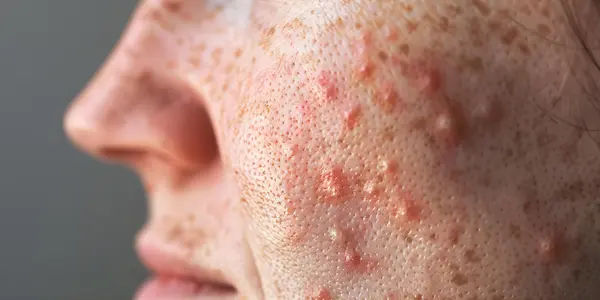
I've been using Deriva BPO gel for my moderate acne, but my skin's really irritated after applying it. I know the irritation might go away after a few weeks, but now I've got this dark line on one side of my lip that isn't fading. Do you think this will become a permanent black patch or is it likely to disappear on its own?
It's likely a side effect of the deriva bpo gel known as post-inflammatory hyperpigmentation, which can occur as a result of skin irritation or inflammation. In most cases, this dark patch should fade over time once you stop using the gel. To help speed up the process, you can try using a topical skin lightening cream containing hydroquinone or kojic acid.
Answered by 1 Apollo Doctors
I'm a bit worried because I've been using the Keraglo Eva tablet and their shampoo for about 6 months now, hoping to see some improvement in my hair. But honestly, I haven't noticed any change. My hair fall is still pretty bad, and I'm not seeing any growth. I'm starting to wonder if I'm doing something wrong or if there's anything else I could try to help with my hair fall and encourage some healthy growth. What should I do next?
There are many reasons for Hair fall, visit Dermatologist for evaluation and appropriate treatment, consume balanced diet and adequate rest would help.
Answered by 1 Apollo Doctors
Health Articles for you
View all


Disclaimer: Answers on Apollo 247 are not intended to replace your doctor advice. Always seek help of a professional doctor in case of an medical emergency or ailment.