


- Male
- 30 Years
- 29/01/2025
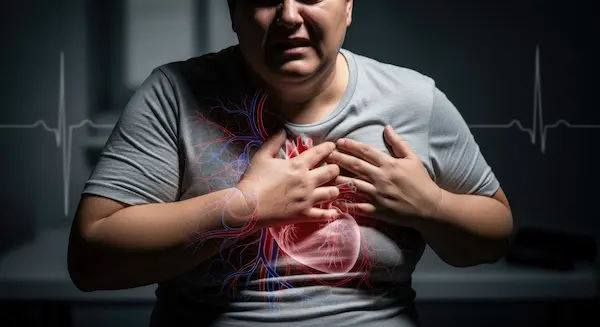
I've been experiencing some chest pain on the left side, right above my heart. It happened for a few minutes, but then it went back to normal. The same thing occurred about six months ago. I'm a bit concerned and would love to get your suggestions on what might be going on and how I can deal with this issue.

Answered by 1 Apollo Doctors

Based on your description of chest pain above the heart that comes and goes, it is important to rule out any cardiac issues. However, considering the pain is brief and has occurred before, it could be due to muscle strain or inflammation in the chest wall. I recommend taking a pain reliever such as Acetaminophen 500mg as needed for pain relief. Additionally, applying a warm compress to the area may help relax the muscles. If the pain persists or worsens, further evaluation by a healthcare professional is advised.
Dr. Dr Khaleel Suggests...
Consult a Cardiologist
Answered 04/07/2025
0
0

More Cardiology Health Queries
View allI'm looking at my 2D echo report and trying to understand a couple of things. It mentions there's no regional wall motion abnormality and that my LV systolic function is good with a normal filling pattern. I'm relieved that there's no MR, AR, or precardial effusion, and no clots were found, but it says there's trivial TR and mild PAH. Could you help me understand what mild PAH means? From what you see in my report, how should I feel about these results overall?
That not a matter of concern just consume healthy diet and maintain regular physical activity follow your doctors advice


Answered by 1 Apollo Doctors
I've been dealing with tachycardia for the last 2.5 months and my doctor mentioned it's because of stress and anxiety, giving me placida and clonofit .25. I'm just wondering if there's anything else I should consider doing, or if there's something more about these medications I should know?
Visit your Physician for appropriate management
Answered by 1 Apollo Doctors
I've been feeling really off lately, like yesterday before lunch I was sweating a lot and my whole body felt weak, especially my legs. I tried eating some chocolate and rice but I was still sweating. So I went to the hospital and they said my BP was fine, and my GRBS was 153, about 45 minutes after eating. The ECG said sinus tachycardia, borderline ECG, and short PR interval, but the doctors said everything's normal when they compared it to an old ECG I had. I'm worried because I take Esomac for gastric issues and Cardace for BP, but I've been having mild chest pains almost every day. Ive done tmt echo tests many times and they always come back normal, but Im so anxious about my heart all the time. Now, I get really tired just walking for like 20 minutes. What could be going on?
The ECG from yesterday shows sinus tachycardia, borderline ECG, and a short PR interval. Given your symptoms of sweating, weakness, and fatigue, along with your history of mild chest pain and anxiety about your heart, it is important to continue monitoring your heart health closely. Since your previous ECGs have been normal, it is reassuring that there are no significant changes at this time. Considering your current medications, Esomac 40mg for gastric issues and Cardace H5 for blood pressure, it is essential to continue taking them as prescribed. To address your concerns about tiredness and anxiety, I recommend discussing with your healthcare provider about the possibility of adjusting your medications or exploring other treatment options. In addition, it is crucial to maintain a healthy lifestyle, including regular exercise within your limits, a balanced diet, and stress management techniques. If you experience any worsening symptoms or new concerns, do not hesitate to seek medical attention promptly.
Answered by 1 Apollo Doctors
Health Articles for you
View all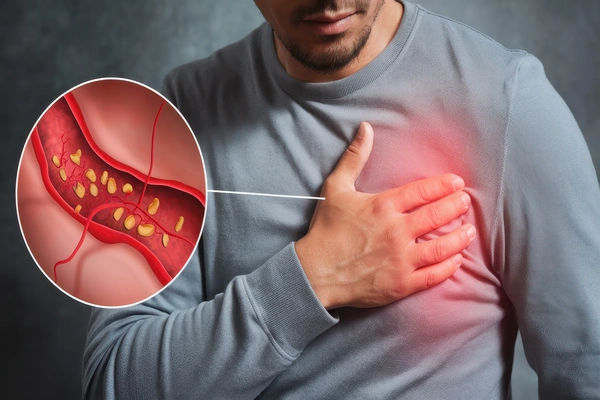

Disclaimer: Answers on Apollo 247 are not intended to replace your doctor advice. Always seek help of a professional doctor in case of an medical emergency or ailment.