


- Male
- 22 Years
- 29/01/2025
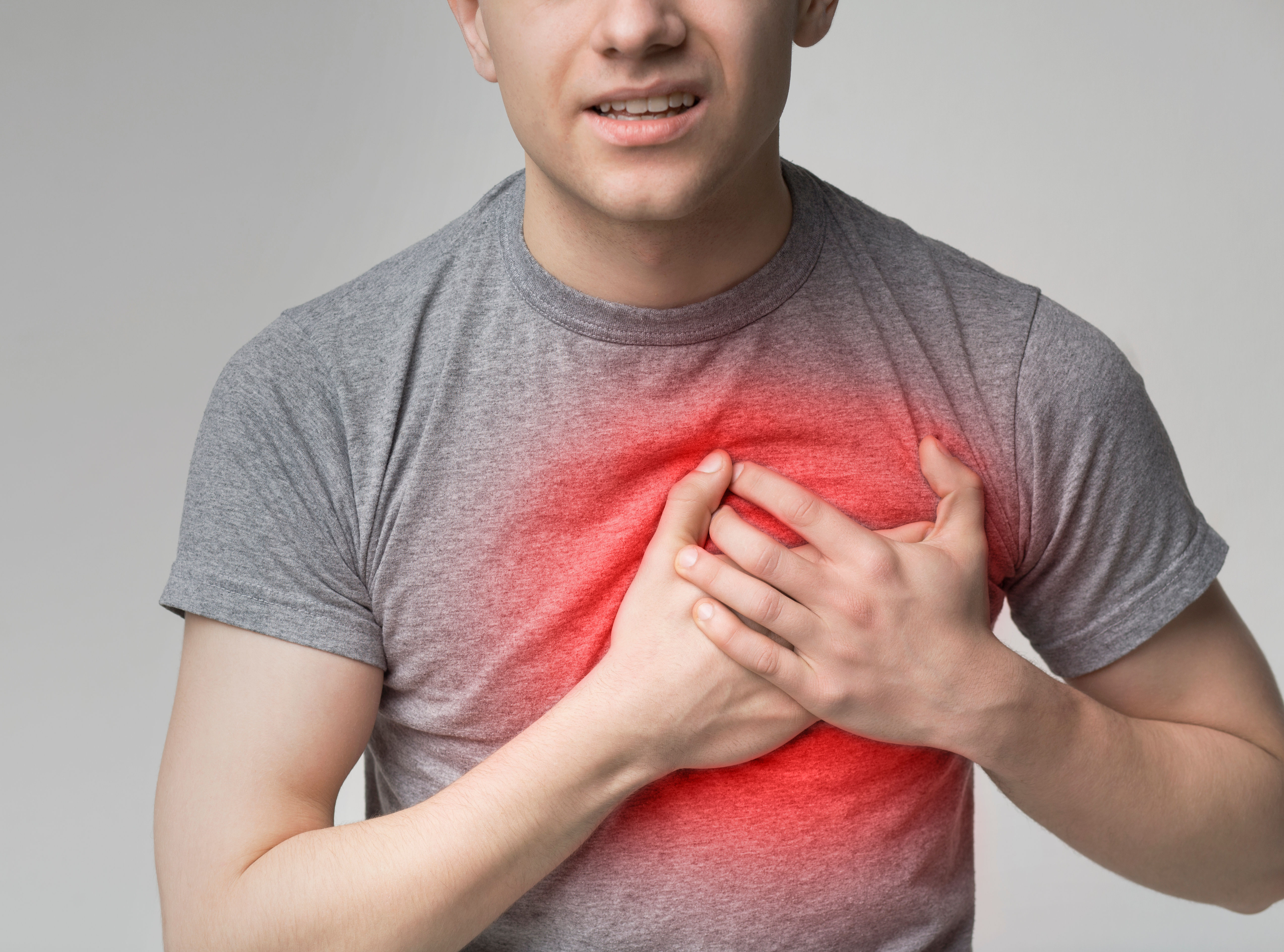
I've been experiencing this weird irregular and thumping heartbeat but there's no chest pain. It's just this uncomfortable feeling in my chest, especially when I drink water or eat. It makes it hard to take a deep breath. I went to the doctor and they suggested an ECG, which came out normal. It went away for a couple of days but now it's back again. What could be causing this?

Answered by 1 Apollo Doctors

It sounds like you may be experiencing symptoms of palpitations and difficulty breathing. These symptoms can be caused by various factors such as anxiety, dehydration, caffeine intake, or underlying heart conditions like arrhythmias. Since your ECG results were normal, it is important to rule out other possible causes. I recommend you to try to stay hydrated, avoid excessive caffeine intake, and manage stress levels. Additionally, you can take a beta-blocker like Metoprolol 25mg once daily to help regulate your heartbeat and reduce palpitations. If symptoms persist or worsen, further evaluation by a cardiologist may be necessary.
Dr. Shubham Suggests...
Consult a Cardiologist
Answered 04/07/2025
0
0

More Cardiology Health Queries
View allI'm experiencing this strange pressure on my chest every time I yawn, and it's making me feel like I need to vomit. There's also some pressure on my neck. Can you give me some insight into what might be going on?
It sounds like you may be experiencing symptoms of acid reflux or gastroesophageal reflux disease (GERD). I recommend taking an over-the-counter antacid like Tums or Rolaids to help with the chest pressure and vomiting sensation. You can also try taking an H2 blocker like Zantac or Pepcid to reduce stomach acid production. Make sure to follow the recommended dosage instructions on the packaging. If your symptoms persist or worsen, please seek medical attention.


Answered by 1 Apollo Doctors
I'm experiencing breathlessness when I exert myself and my heart rate seems really high. The recent echo shows mild TR, mild PAHRVSP at 45 mmHg, and a mild MR jet area of 2.5 sqcm, with tachycardia at 121 bpm. My hemoglobin and thyroid levels are normal, but I'm a bit concerned about the mild PAH. Should I be worried about this and check in with a doctor?
Yes, mild pulmonary arterial hypertension (PAH) should be followed up by a doctor, especially since you are experiencing breathlessness on exertion and have a high heart rate. Treatment for PAH may include medications such as sildenafil (Revatio) or tadalafil (Adcirca) to help lower the blood pressure in the lungs. It is important to monitor and manage PAH to prevent further complications.
Answered by 1 Apollo Doctors
I've been experiencing this chest heaviness and occasional pain on the left side, especially when I'm walking or lifting something heavy on that side. It's got me a bit worried, even though I had an ECG, echo, and treadmill test done earlier this year, and they all came back normal. Im 33, and my BMI is 24. I make sure to walk for 30 minutes daily. My LDL cholesterol is 131, total cholesterol is 198, HDL is 49, and triglycerides are at 89. Does everything seem alright with these numbers, or should I be concerned about these symptoms?
While your ECG, echo, and TMT results from earlier this year are normal, the chest heaviness and pain you experience while walking or lifting heavy weights on the left side should not be ignored. Your lipid profile shows slightly elevated LDL cholesterol at 131 mgdL, which is a risk factor for cardiovascular disease, but your total cholesterol and triglycerides are within acceptable ranges. Although these findings are somewhat reassuring, persistent symptoms warrant further evaluation. Consider following up with a cardiologist to discuss these symptoms and possibly repeat or conduct additional tests. Managing cholesterol through diet, exercise, and possibly medication, as well as continuing regular physical activity, is essential. Given your symptoms, it's crucial to ensure there is no underlying cardiovascular issue.
Answered by 1 Apollo Doctors
Health Articles for you
View all
Disclaimer: Answers on Apollo 247 are not intended to replace your doctor advice. Always seek help of a professional doctor in case of an medical emergency or ailment.