


- female
- 25 Years
- 29/01/2025
I've been feeling a bit worried because I had chickenpox last month and now my periods are delayed, which has never happened before. My period was due on the 4th of November, but I ended up getting chickenpox on the 15th. I'm still on my regular diet and don't have any other issues. Could this delay in my period be linked to weakness from the chickenpox? Can you help me understand what's going on?

Answered by 1 Apollo Doctors

Excessive sweating after COVID-19 recovery can be concerning. Given your high LDL and total cholesterol levels, it's essential to consider potential underlying causes.
Potential Causes of Excessive Sweating
- Hormonal Imbalance: COVID-19 can disrupt hormonal balances, leading to excessive sweating.
- Hyperthyroidism: An overactive thyroid gland can cause increased sweating, even with normal thyroid function tests.
- Autonomic Dysfunction: COVID-19 can affect the autonomic nervous system, leading to excessive sweating.
- Medication Side Effects: Certain medications, including cholesterol-lowering medications, can cause excessive sweating as a side effect.
- Anxiety or Stress: COVID-19 recovery can be stressful, leading to anxiety-related excessive sweating.
Recommendations
- Consult Your Doctor: Discuss your excessive sweating with your doctor to rule out underlying medical conditions.
- Thyroid Function Tests: Get your thyroid function tests (TFTs) checked to rule out hyperthyroidism.
- Adjust Medications: Consult your doctor about potential medication side effects and adjust your medications if necessary.
- Stress Management: Engage in stress-reducing activities like yoga, meditation, or deep breathing exercises.
- Monitor Cholesterol Levels: Continue to monitor your cholesterol levels and adjust your diet and medication as needed.
Additional Tips
- Wear breathable clothing: Wear loose, breathable clothing to help manage sweating.
- Stay hydrated: Drink plenty of water to help regulate body temperature and sweating.
- Avoid triggers: Identify and avoid triggers that can exacerbate sweating, such as spicy foods or caffeine.
Dr. Kareemulla Suggests...
Consult a Obstetrician and Gynaecologist
Answered 04/07/2025
0
0

More Obstetrics & Gynaecology Health Queries
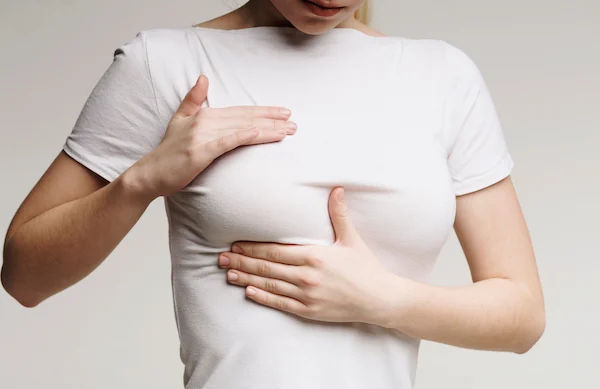
View allI'm really worried because I have a white liquid discharge coming from one of my breasts when I squeeze my nipple, but it's not happening in my other breast. The fact that it's only on one side is making me anxious. I've been dealing with a viral fever for a week and have been taking different tablets, but nothing seems to help much. Could the discharge be a side effect of the medications? I've also been constipated for four days. I'm really concerned about whether this could be cancer. My breasts have always been a bit hard and small, unlike others, but they've been that way for as long as I can remember. Can you help me understand what's going on and if I should be worried about cancer or something else?
do FNAC check up


Answered by 1 Apollo Doctors
Who is at high risk for developing gestational diabetes?
Risk factors include being overweight or obese, not being physically active, having prediabetes/ gestational diabetes during a previous pregnancy/ polycystic ovary syndrome/ an immediate family member with diabetes/ previously delivered a baby weighing more than 9 pounds (4.1 kilograms) and being of a certain race or ethnicity, such as Black, Hispanic, American Indian and Asian American.
Answered by 1 Apollo Doctors
I'm experiencing a burning sensation near my vaginal area when I pee, and there's also itching around that area and my anus. I've noticed there are some small pimples near my vagina too. What could this be and should I be worried?
Burning sensation near the vaginal area when passing urine and feeling itching near vaginal area and anus and I can feel a small pimples down the vagina. These symptoms could indicate a possible yeast infection or a bacterial infection. I recommend using an over-the-counter antifungal cream like Monistat for yeast infection. Apply it externally around the vaginal area and follow the instructions on the package. Additionally, you can take an over-the-counter pain reliever like ibuprofen for the burning sensation. If the symptoms persist or worsen, it is important to consult a healthcare provider for further evaluation and treatment.
Answered by 1 Apollo Doctors
Health Articles for you
View all.webp)


Disclaimer: Answers on Apollo 247 are not intended to replace your doctor advice. Always seek help of a professional doctor in case of an medical emergency or ailment.