


- Male
- 24 Years
- 29/01/2025
I've been having this brief but really intense pain right in the middle of my chest, and it only lasts for a second. It kind of feels like something's bursting in there, and it happens when I'm just resting. It's pretty scary and I'm not sure what I should do. Any thoughts?

Answered by 1 Apollo Doctors

It sounds like you may be experiencing a condition known as angina, which is chest pain or discomfort caused by reduced blood flow to your heart muscle. It is important to seek medical attention immediately to rule out any serious underlying heart conditions. I recommend taking a low dose of aspirin (75-150mg) immediately, as it can help reduce the risk of heart attack. Additionally, you should take a sublingual nitroglycerin tablet to help relieve the chest pain. It is important to rest and avoid any strenuous activity until you can see a healthcare professional for further evaluation and treatment.
Dr. Anshul Suggests...
Consult a Cardiologist
Answered 04/07/2025
0
0

More Cardiology Health Queries
View allWhich fruit is best for high blood pressure?
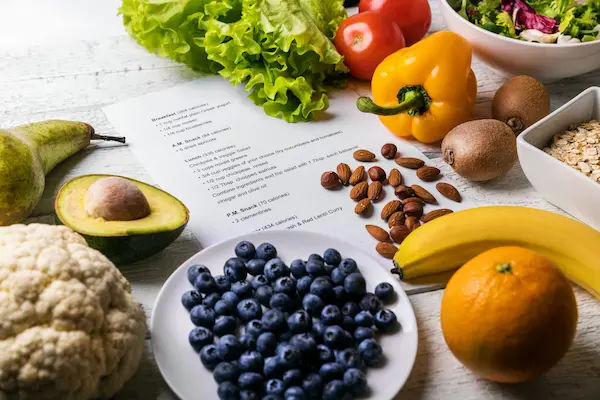
Citrus fruits, including grapefruit, oranges, and lemons, may have powerful blood-pressure-lowering effects. They're loaded with vitamins, minerals, and plant compounds that may help keep your heart healthy by reducing heart disease risk factors like high blood pressure.


Answered by 1 Apollo Doctors
I've been experiencing an increased heart rate after starting Torvate 200. How long does it usually take to get back to normal? Should I be concerned or do anything specific in the meantime?
Increase in heart rate due to Torvate 200 is a known side effect of the medication. To help normalize your heart rate, you can try the following: - Reduce caffeine intake - Practice relaxation techniques such as deep breathing exercises or meditation - Stay hydrated - Get regular exercise - Ensure you are getting enough sleep If your heart rate remains elevated or if you experience any concerning symptoms, please consult your healthcare provider. The duration for your heart rate to return to normal can vary depending on individual factors, so it is important to monitor your symptoms closely.
Answered by 1 Apollo Doctors
What should be avoided in high BP?
Red meat, salt (sodium), and foods and drinks that contain added sugars. These foods can keep your blood pressure elevated.
Answered by 1 Apollo Doctors
Health Articles for you
View all


Disclaimer: Answers on Apollo 247 are not intended to replace your doctor advice. Always seek help of a professional doctor in case of an medical emergency or ailment.