apollo
  • female
  • 30 Years
  • 20/02/2025

I've been having this issue with my palms feeling itchy for the past few days, and it's definitely not because they're dry. I'm puzzled about what's causing it. Could you help me figure out what might be going on and what I should do next?

Doctor 1

Answered by 1 Apollo Doctors

This could be fungal infection u need to evaluate with your Dermatologist and get appropriate treatment with oral antifungal medications and topical lotions,once the infection is resolved your hair fall would come down,I suggest you not to use minoxidil with active fungal infection,above this your personal hygiene care is more important.

Dr. Dr Khaleel Suggests...

Consult a Dermatologist

Answered 25/07/2025

0

0

Sick? Talk to a doctor now

More Dermatology Health Queries

View all

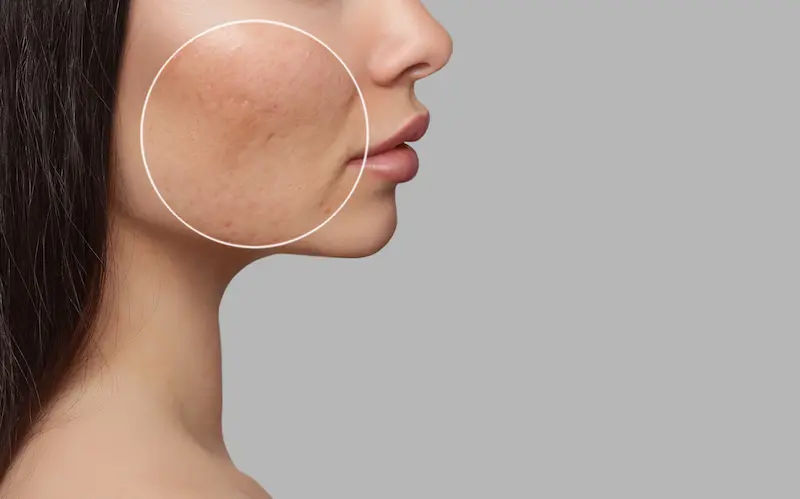
I've been suddenly getting a lot of pimples on my face and back, and it's really confusing me because I thought this phase was over. I started having this issue when I was about 21 or 25, but it settled down for around 23 years. Now, it's been flaring up again for the last 6 months, and I'm 29 now, so I wasn't expecting to deal with this. Do you have any advice on how to tackle this? Should I change my diet or try certain cosmetic products or take some precautions?

You are experiencing a recurrence of acne, which can be frustrating. To help manage your acne, you can consider using a topical treatment containing benzoyl peroxide or salicylic acid. Brands like Differin gel or Proactiv can be effective. Additionally, maintaining a gentle skincare routine with a non-comedogenic cleanser and moisturizer can help. Avoiding harsh scrubs and picking at your skin is also important to prevent further irritation. In terms of diet, some studies suggest that dairy and high-glycemic foods may exacerbate acne for some individuals, so you may want to consider reducing your intake of these foods. Ensuring you stay hydrated and eat a balanced diet rich in fruits, vegetables, and lean proteins can also support overall skin health. It's important to remember that everyone's skin is different, so what works for one person may not work for another. If your acne persists or worsens, it may be helpful to consult with a dermatologist for a personalized treatment plan.

read more
Doctor 1Doctor 2

Answered by 1 Apollo Doctors

My daughter has come home with a case of head lice, and she's constantly scratching her head. I'm really worried about how to get rid of them effectively. Any advice on treatments or steps we should take to help her?

permethrin based lotions would help to get rid of head lice, visit dermatologist for appropriate treatment.

read more
Doctor 1Doctor 2

Answered by 1 Apollo Doctors

I've been prescribed linid 600 and clavmox 625 to take twice a day for a small infection with pus in my nail wound. I'm just wondering why I need to take two antibiotics at the same time. I'm only following the doctor's advice but would really love to understand the reason behind it. Can any doctor explain why I'm having these meds together?

_Persistent Ear Irritation and Congestion: Next Steps for Diagnosis and Treatment_ Given your ongoing symptoms and previous treatments, it's essential to reassess your condition and consider alternative explanations. Here's a summary of your situation and recommendations: _Possible Causes:_ 1. _Eustachian tube dysfunction_: The Eustachian tube connects the middle ear to the back of the throat. Dysfunction can cause ear fullness, congestion, and autophony (hearing your own voice or breathing sounds). 2. _Sinusitis or allergies_: Sinus congestion and allergies can cause Eustachian tube dysfunction, leading to ear symptoms. 3. _Middle ear issues_: Persistent middle ear infection, otosclerosis, or other conditions might be contributing to your symptoms. _Next Steps:_ 1. _Consult an ear, nose, and throat (ENT) specialist_: Schedule an appointment with an ENT specialist to reassess your ear and sinus symptoms. 2. _Comprehensive evaluation_: The ENT specialist will perform a thorough evaluation, including: - Otoscopy to examine the ear canal and eardrum - Nasal endoscopy to evaluate the nasal passages and sinuses - Hearing tests to assess hearing function - Imaging studies (e.g., CT or MRI scans) to visualize the sinuses and ears 3. _Treatment options_: Based on the evaluation results, the ENT specialist may recommend: - Antibiotics or antifungal medications for sinus or ear infections - Nasal sprays or oral medications for allergies or sinus congestion - Eustachian tube exercises or balloon dilation to improve Eustachian tube function - Referral to an allergist for further evaluation and treatment _Continue Self-Care:_ 1. _Maintain good nasal hygiene_: Use saline nasal sprays or rinse your nasal passages with a neti pot. 2. _Stay hydrated_: Drink plenty of fluids to help thin out mucus and promote drainage. 3. _Manage allergies_: Continue using antihistamines or other medications as prescribed to manage allergy symptoms. By consulting an ENT specialist and undergoing a comprehensive evaluation, you can better understand the underlying causes of your symptoms and develop an effective treatment plan.

read more
Doctor 1Doctor 2

Answered by 1 Apollo Doctors

Disclaimer: Answers on Apollo 247 are not intended to replace your doctor advice. Always seek help of a professional doctor in case of an medical emergency or ailment.